
In the world of Harley-Davidson motorcycles, oil sumping is a notorious issue that can disrupt the performance and reliability of your ride. This phenomenon occurs when excess oil accumulates in the crankcase, causing potential engine damage and performance issues.
Riders often find themselves grappling with the symptoms of oil sumping, which can lead to frustration and costly repairs if not addressed promptly. In this comprehensive guide, we will delve into the intricacies of oil sumping, exploring its causes, symptoms, and effective solutions.
We will also share insights from the Harley community, offering practical advice to ensure your motorcycle runs smoothly and efficiently. Whether you are a seasoned rider or a newcomer to the Harley family, understanding how to tackle oil sumping is crucial for maintaining the health of your motorcycle.
Table of Contents
- Understanding Oil Sumping
- Symptoms of Oil Sumping
- Causes of Oil Sumping
- Fixing Oil Sumping: Initial Steps
- Advanced Solutions for Oil Sumping
- Community Experiences and Solutions
- Preventing Oil Sumping
- FAQ Section
- Conclusion
Understanding Oil Sumping
What is Oil Sumping?
Oil sumping, also known as wet sumping, is a condition prevalent in Harley-Davidson motorcycles, particularly those with a dry-sump lubrication system. It occurs when oil fails to return to the oil tank and instead builds up in the crankcase.
This buildup can lead to a variety of problems, including decreased engine performance, increased wear and tear on engine components, and potential engine failure if left unchecked.
How Does Oil Sumping Occur?
The primary cause of oil sumping is a malfunction in the oil return system. In a dry-sump system, oil is stored in a separate tank rather than in the crankcase.
However, if the oil pump fails to scavenge the oil effectively, excess oil can remain in the crankcase. This can happen due to a faulty check valve, blocked oil passages, or issues with the oil pump itself.
Over time, this excess oil can lead to aeration, where the oil becomes mixed with air, further complicating the issue.
Why It Matters to Riders
Understanding oil sumping is essential for any Harley rider. If not addressed, it can lead to serious performance issues and costly repairs.
Excess oil in the crankcase can result in increased friction, overheating, and even catastrophic engine failure. By recognizing the signs and symptoms early, riders can take proactive measures to mitigate the risk and maintain the health of their motorcycle.
| System Type | Oil Storage | Common Issues |
|---|---|---|
| Dry-Sump | Oil stored in a tank | Oil return failure, aeration |
| Wet-Sump | Oil stored in crankcase | Overfilling, oil overflow |
This table illustrates the difference between dry-sump and wet-sump systems, highlighting how the oil storage method influences the likelihood of sumping. Dry-sump systems, common in many Harley models, are designed to prevent oil from residing in the crankcase.
However, when the return system malfunctions, it can lead to oil pooling, causing performance issues. Wet-sump systems, while simpler, can suffer from overfilling, leading to similar symptoms.
Understanding these differences is crucial for diagnosing and addressing oil sumping effectively.
Symptoms of Oil Sumping
Excess Oil from Breather
One of the most noticeable symptoms of oil sumping is the excessive oil being expelled from the breather. Riders may observe oil leaking from the air cleaner or breather tube, which can create a mess and indicate that oil is not returning properly to the tank.
Poor Engine Performance
Another symptom is a noticeable decline in engine performance. Riders might experience sluggish acceleration, rough idling, or a general lack of power.
This can be attributed to excessive oil in the crankcase, which increases resistance and affects engine efficiency.
Warning Signs on the Dashboard
Modern Harley models may display warning lights or indicators when oil levels are abnormal. Riders should pay close attention to the oil pressure gauge and any dashboard alerts, as these can provide early warnings of potential sumping issues.
| Symptom | Description |
|---|---|
| Excess Oil from Breather | Oil leaking from air cleaner or breather tube |
| Poor Engine Performance | Sluggish acceleration and rough idling |
| Warning Signs on Dashboard | Oil pressure gauge alerts and abnormal indicators |
The symptoms table summarizes the common indicators of oil sumping. Recognizing these signs is vital for timely intervention.
Excess oil from the breather can not only create a mess but also indicate deeper issues with the oil return system. Poor engine performance is often a direct result of increased resistance caused by sumped oil, and dashboard warnings can be crucial for early detection.
Riders should remain vigilant and address any of these symptoms promptly to prevent further damage.
Causes of Oil Sumping
Faulty Check Valve
A common cause of oil sumping is a faulty check valve in the oil pump. The check valve is designed to prevent oil from flowing back into the crankcase when the engine is off.
If this valve becomes stuck or damaged, it can allow oil to seep into the crankcase, leading to accumulation over time.
Scavenging Issues
Scavenging issues can also contribute to oil sumping. If the scavenging ports in the oil pump are blocked or misaligned, the pump may struggle to remove oil from the crankcase effectively.
This can be exacerbated by debris or wear in the oil pump components, leading to insufficient oil return.
Blocked Oil Passages
Blocked oil passages within the engine can prevent the proper flow of oil. This can occur due to sludge buildup or debris that restricts oil movement, resulting in oil pooling in the crankcase instead of returning to the tank.
Regular maintenance and oil changes can help mitigate this risk.
| Cause | Impact on Sumping |
|---|---|
| Faulty Check Valve | Allows oil to seep into crankcase |
| Scavenging Issues | Prevents effective oil removal |
| Blocked Oil Passages | Restricts oil flow, causing buildup |
This table outlines the various causes of oil sumping and their impact. A faulty check valve is often the primary culprit, allowing oil to leak into the crankcase when the engine is not running.
Scavenging issues can severely hinder the oil return process, while blocked passages can complicate the entire lubrication system. Understanding these causes is essential for diagnosing oil sumping problems and implementing effective solutions.
Fixing Oil Sumping: Initial Steps
Checking Oil Levels
Before diving into repairs, it’s crucial to check the oil levels in your Harley. Overfilling can exacerbate sumping issues, so ensure the oil is within the recommended range on the dipstick.
If oil levels are too high, drain excess oil to prevent further complications.
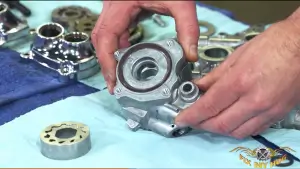
Inspecting the Oil Pump
Inspecting the oil pump is a key step in addressing sumping. Look for signs of wear, damage, or blockages.
If the check valve appears faulty or if there is debris in the pump, it may need to be cleaned or replaced. Proper maintenance of the oil pump is vital for preventing sumping issues.
 https://www.fixmyhog.com/
Cranking the Engine without Starting
A practical method for addressing oil sumping is to crank the engine without starting it. This can help pump excess oil out of the crankcase.
Remove the spark plugs and connect a catch pan to the breather to collect any oil that is expelled. This step can help alleviate pressure and reduce the amount of oil in the crankcase before starting the engine.
| Step | Action |
|---|---|
| Check Oil Levels | Ensure oil is within recommended limits |
| Inspect Oil Pump | Look for wear, damage, or blockages |
| Crank Engine | Remove spark plugs and crank to pump out oil |
This table presents initial steps for addressing oil sumping, emphasizing the importance of checking oil levels and inspecting the oil pump. These actions can help identify the root of the problem and mitigate further risks.
Cranking the engine without starting allows for the removal of excess oil, promoting a smoother operation and reducing the chances of performance issues when the engine is eventually started.
Advanced Solutions for Oil Sumping
Upgrading the Oil Pump
Upgrading the oil pump is an effective advanced solution for oil sumping. Newer oil pumps, like the one introduced in 2020, are designed to improve oil scavenging and prevent sumping issues.
These pumps feature updated scavenging gears that enhance oil flow and reduce the likelihood of oil buildup in the crankcase.
Modifying Check Valves
Modifying or replacing the check valve in the oil pump can significantly improve oil return. Ensuring the check valve is functioning correctly is vital, as a faulty valve can lead to continual oil seepage into the crankcase.
Regular inspection and maintenance of the check valve can prevent sumping issues.
Regular Maintenance Practices
Engaging in regular maintenance practices is essential for preventing oil sumping. Regular oil changes, thorough inspections of the oil pump and passages, and keeping the engine clean can help mitigate the risk of sumping.
Additionally, using high-quality oil and filters can improve overall engine performance and longevity.
| Advanced Solution | Benefit |
|---|---|
| Upgrading Oil Pump | Improves oil scavenging and reduces sumping |
| Modifying Check Valves | Enhances oil return and prevents seepage |
| Regular Maintenance | Reduces risk of sumping through proactive care |
The advanced solutions table highlights the benefits of upgrading the oil pump and modifying check valves. By enhancing oil scavenging and ensuring proper oil return, these solutions can effectively combat oil sumping issues.
Regular maintenance practices are crucial in sustaining engine health and preventing future problems. Investing in these solutions can lead to improved performance and longevity of your Harley-Davidson motorcycle.
Community Experiences and Solutions
User-Reported Fixes
The Harley community has shared numerous experiences and fixes for oil sumping issues. Many riders have reported success in simply cranking the engine without starting it to pump excess oil from the crankcase.
Others have found that regularly checking oil levels and maintaining the oil pump helps prevent sumping. Engaging with fellow riders can provide valuable insights into effective solutions.
Expert Opinions from Mechanics
Mechanics specializing in Harley-Davidson motorcycles often recommend regular maintenance and prompt attention to symptoms of sumping. They emphasize the importance of inspecting the oil pump and check valves, as well as considering upgrades to newer, more efficient oil pumps.
Their expertise can guide riders in effectively addressing oil sumping issues.
Common Myths Debunked
Several myths surrounding oil sumping persist within the community. One common misconception is that sumping is solely caused by overfilling the oil tank.
While overfilling can exacerbate the issue, sumping often stems from mechanical failures in the oil return system. Addressing these mechanical aspects is crucial for effective diagnosis and repair.
| Community Insight | Action Taken |
|---|---|
| User-Reported Fixes | Cranking engine without starting |
| Expert Opinions | Regular maintenance and inspections |
| Myths Debunked | Mechanical failures are often the root cause |
This table summarizes various community insights regarding oil sumping. User-reported fixes highlight practical solutions that have worked for many riders.
Expert opinions emphasize the need for regular maintenance and inspections, reinforcing the importance of proactive care. Finally, debunking common myths can help riders better understand the mechanics behind oil sumping, enabling them to take more informed actions to prevent and address the issue.
Preventing Oil Sumping
Maintenance Tips
Regular maintenance is key to preventing oil sumping in Harley-Davidson motorcycles. Riders should routinely check oil levels, inspect the oil pump and check valves, and perform oil changes at recommended intervals.
Keeping the engine clean and free of debris also plays a critical role in maintaining optimal oil flow.
Best Practices for Long Rides
For those embarking on long rides, it is essential to monitor oil levels closely. Avoiding overfilling the oil tank and allowing the engine to run at proper temperatures can help reduce the risk of sumping.
Riders should also be aware of their motorcycle’s performance and address any symptoms promptly to prevent further complications.
Seasonal Storage Tips
When storing a Harley for an extended period, such as during winter, taking precautions can help prevent oil sumping. Riders should ensure that the motorcycle is properly maintained before storage, including checking oil levels and running the engine to circulate oil.
Additionally, it may be beneficial to use an oil stabilizer to help maintain oil consistency during storage.
| Preventative Practice | Benefit |
|---|---|
| Regular Maintenance | Ensures optimal oil flow and engine performance |
| Monitor Oil Levels | Prevents overfilling and reduces sumping risk |
| Seasonal Storage Tips | Helps maintain oil consistency and engine health |
This table outlines preventative practices to mitigate the risk of oil sumping. Regular maintenance ensures that the engine remains in peak condition while monitoring oil levels prevents overfilling.
Lastly, implementing seasonal storage tips helps maintain oil quality and keep the motorcycle running smoothly. By following these practices, riders can significantly reduce the chances of encountering oil sumping issues.
FAQ Section
What is the most common cause of oil sumping in Harleys?
The most common cause of oil sumping in Harley-Davidson motorcycles is a faulty check valve within the oil pump. If this valve fails to seal properly, oil can seep into the crankcase when the engine is off, leading to an accumulation of oil that causes performance issues.
Other contributing factors may include blocked oil passages and general wear and tear on the oil pump components.
How can I tell if my Harley is sumping?
Signs that your Harley may be experiencing oil sumping include excessive oil leaking from the breather, poor engine performance such as sluggish acceleration, and warning lights on the dashboard indicating abnormal oil pressure. If you notice any of these symptoms, it is essential to investigate the issue promptly to prevent further damage to the engine.
What should I do if I notice oil coming from the breather?
If you notice oil coming from the breather, it is important to take immediate action. First, check your oil levels to ensure that the tank is not overfilled.
Next, inspect the oil pump and check valve for any signs of wear or malfunction. Cranking the engine without starting it may help expel excess oil from the crankcase.
If the issue persists, consult a professional mechanic for a thorough inspection.
Are certain Harley models more prone to sumping?
Yes, certain Harley models, particularly those equipped with earlier versions of the Milwaukee-Eight engine and models with older oil pump designs, are more prone to sumping issues. The 2017-2019 models have reported a higher incidence of sumping due to oil return system limitations.
However, newer models from 2020 onward feature redesigned oil pumps that significantly reduce the risk of sumping.
Can I prevent oil sumping with regular maintenance?
Absolutely! Regular maintenance plays a crucial role in preventing oil sumping.
By routinely checking oil levels, inspecting the oil pump and associated components, and performing oil changes at recommended intervals, riders can significantly reduce the risk of encountering sumping issues. Keeping the engine clean and in good condition is essential for optimal performance.
Conclusion
In conclusion, oil sumping is a significant concern for Harley-Davidson motorcycle owners, but understanding its causes and symptoms can help mitigate risks. By following the recommended steps for diagnosis, engaging in preventative maintenance, and considering upgrades when necessary, riders can effectively tackle this issue.
Staying informed and proactive will ensure that your Harley continues to deliver the performance and reliability expected from such an iconic brand. With the right knowledge and tools, you can keep your ride smooth and enjoyable for years to come.