
How Long Are Motorcycle Helmets Good For? typically effective for 3–5 years, depending on usage, wear, and exposure. Replace sooner if damaged
This article delves into the lifespan of motorcycle helmets, exploring factors that influence their durability, the signs that indicate when a helmet needs to be replaced, and best practices for maintenance to extend their life. Readers will learn about the materials used in helmets, the impact of environmental conditions, and the importance of adhering to manufacturer guidelines to ensure continued safety while riding.
Understanding Helmet Composition and Degradation
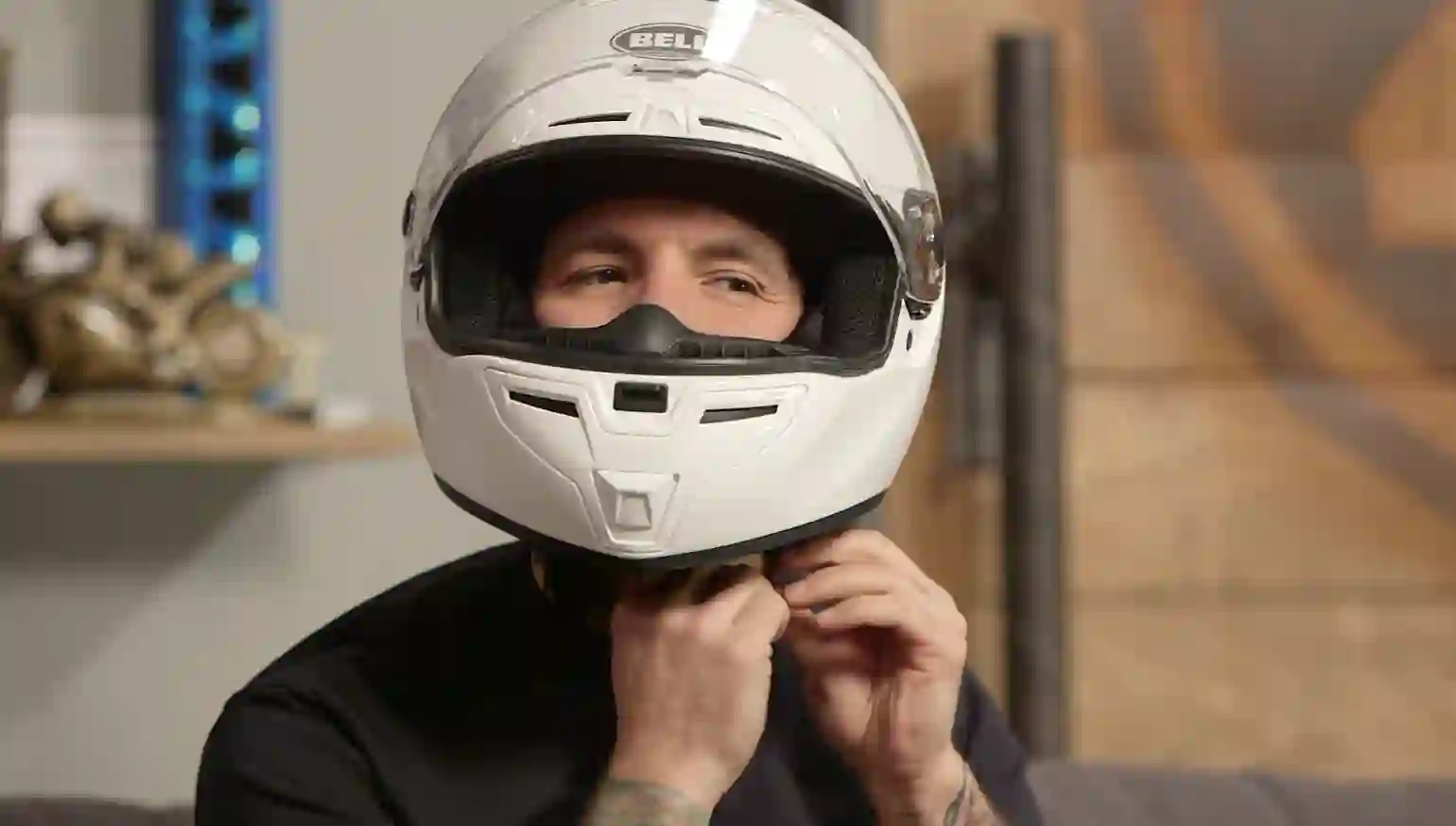
Credit: https://www.revzilla.com/
Motorcycle helmets are made from various materials, each with its advantages and disadvantages concerning safety, comfort, and durability. Understanding these materials is crucial for determining how long a helmet lasts and when it needs replacement.
Types of Helmet Materials
| Material | Weight | Durability | Typical Lifespan |
|---|---|---|---|
| Polycarbonate | Heavy | Moderate | 3-5 years |
| Fiberglass | Moderate | High | 5-7 years |
| Carbon Fiber | Light | Very High | 5-7 years |
The table above summarizes the major materials used in motorcycle helmets. Polycarbonate helmets are generally the most affordable but have a shorter lifespan due to their susceptibility to UV damage and moisture absorption.
Fiberglass and carbon fiber helmets, while more expensive, offer better protection and durability, making them a wise long-term investment for regular riders.
Effects of UV Exposure
UV exposure is one of the leading causes of degradation in helmet materials. Over time, UV rays can weaken the outer shell, causing it to become brittle and reducing its capacity to absorb impacts.
Riders should be mindful of how they store their helmets, keeping them out of direct sunlight whenever possible. Studies indicate that UV exposure can significantly shorten the lifespan of helmets, necessitating earlier replacement.
Impact of Sweat and Chemicals
Another factor contributing to helmet degradation is the accumulation of sweat, hair products, and environmental chemicals. The inner padding of a helmet absorbs moisture and oils, which can break down the materials over time, compromising safety.
Regular cleaning and proper maintenance can mitigate these effects, but it’s essential to remember that even with care, helmets eventually need replacement due to material fatigue.
Recommended Lifespan of Motorcycle Helmets
Understanding the recommended lifespan for motorcycle helmets is crucial for ensuring safety on the road. Manufacturers provide guidelines, typically suggesting a replacement period based on usage and age.
Manufacturer Recommendations
Most helmet manufacturers recommend replacing helmets every five years from the date of purchase, regardless of their condition. This recommendation is based on several factors, including material degradation and advancements in safety technology.
For example, a manufacturer like Shoei states that even unused helmets should be replaced after five years due to the aging of materials, particularly the EPS liner that absorbs impact.
Factors Affecting Lifespan
The lifespan of a helmet can be influenced by various factors, including frequency of use, storage conditions, and riding conditions. Frequent riders or those who expose their helmets to harsh weather conditions may find that their helmets degrade faster than those used occasionally.
Additionally, improper storage—such as leaving a helmet in a hot car or direct sunlight—can also accelerate aging.
When to Replace Your Helmet
While the five-year rule is a good guideline, it’s essential for riders to inspect their helmets regularly for signs of wear and damage. If a helmet has been involved in an accident, even if it appears intact, it should be replaced immediately.
Similarly, any visible damage—such as cracks, dents, or worn padding—merits immediate replacement to ensure continued safety.
Signs Your Helmet Needs Replacement
Recognizing the signs that a motorcycle helmet needs replacement is crucial for rider safety. Regular inspections can help identify issues before they become critical.
Visual Inspection Tips
| Inspection Area | Signs to Look For |
|---|---|
| Outer Shell | Cracks, dents, discoloration |
| EPS Liner | Compression, brittleness, visible damage |
| Inner Padding | Wear, odor, loss of shape |
This table outlines the key areas to inspect when determining whether a helmet needs replacement. The outer shell should be checked for visible damage, as any cracks can severely affect its protective capabilities.
The EPS liner is crucial for impact absorption, and any signs of compression or brittleness indicate that the helmet is no longer safe to use. Finally, the inner padding should be comfortable and intact; if it has lost its shape or emits an odor, it may be time for a replacement.
Fit and Comfort Changes
As helmets age, the fit can change, which can affect safety. A helmet should fit snugly without being uncomfortable.
If the helmet feels loose or shifts during use, it may indicate that the internal padding is worn out, necessitating a replacement.
After an Accident
One of the most critical reasons to replace a helmet is after any accident, regardless of whether there is visible damage. The force from an impact can compress the EPS liner, reducing its effectiveness in future incidents.
Riders should always prioritize their safety by investing in a new helmet following any significant impact.
Maintenance Tips to Extend Helmet Lifespan
Proper maintenance of motorcycle helmets can significantly extend their lifespan and ensure safety. Here are some practical tips for riders.
Proper Cleaning Techniques
Regularly clean your helmet using mild soap and water to prevent buildup that can degrade materials. For the visor and outer shell, use a soft cloth to avoid scratches.
Avoid harsh chemicals or solvents that can damage the helmet’s integrity. The interior can be cleaned with specialized helmet cleaners designed to remove sweat and oils without harming the padding.
Safe Storage Practices
Store your helmet in a cool, dry place away from direct sunlight. Using a helmet bag can provide extra protection against dust and accidental scratches.
Avoid placing heavy objects on top of the helmet or storing it in a location where it might fall or get knocked around, which can cause unseen damage.
Avoiding Chemical Damage
Keep your helmet away from gasoline, cleaning solvents, and other chemicals that could compromise its structure. These substances can weaken the shell and affect the materials used in the helmet’s construction, leading to premature degradation.
The Importance of Safety Standards
Understanding safety standards is essential for selecting a helmet that provides adequate protection. Different certifications indicate the level of safety a helmet offers.
Understanding Safety Certifications
| Certification | Region | Standard Description |
|---|---|---|
| D.O.T. | United States | Meets the Federal Motor Vehicle Safety Standard (FMVSS) No. 218 |
| ECE | Europe | European safety standard for motorcycle helmets |
| Snell | International | Offers independent testing and certification for high-performance helmets |
The table above highlights the major safety certifications for motorcycle helmets. The D.O.T.
certification indicates that a helmet meets specific safety standards required by law in the U.S. The ECE certification is recognized across Europe and ensures helmets provide essential protection.
The Snell certification reflects rigorous independent testing, making it a sought-after standard for high-performance helmets.
How Standards Evolve
Helmet safety standards evolve over time to reflect advancements in technology and materials. Manufacturers continually improve their designs to provide better impact absorption and comfort.
Riders should stay informed about the latest safety standards to ensure they are using the most effective protective gear available.
Choosing Certified Helmets
When purchasing a new helmet, always ensure it meets the necessary safety standards. Look for certification stickers inside the helmet and verify that the helmet complies with current regulations.
Investing in a certified helmet ensures you are receiving the best protection possible while riding.
Impact of Usage on Helmet Lifespan
The frequency and manner in which helmets are used can significantly affect their longevity. Understanding how usage impacts helmet lifespan is essential for riders.
Daily Riders vs. Casual Riders
For daily riders, helmets are subjected to regular wear and tear, which can shorten their lifespan. Frequent exposure to sweat, UV rays, and environmental conditions can accelerate degradation.
As a result, daily riders may need to replace their helmets more frequently compared to casual riders who use their helmets less often.
Impact of Long Rides
Long rides can also contribute to wear and tear on helmets. Prolonged exposure to UV rays, wind, and moisture can degrade materials faster than short rides.
It’s essential for riders who frequently embark on long journeys to inspect their helmets regularly and replace them as needed to ensure optimal safety.
Mileage Considerations
| Rider Type | Average Mileage per Year | Recommended Replacement Timeline |
|---|---|---|
| Daily Commuter | 10,000 – 15,000 miles | Every 2-3 years |
| Weekend Warrior | 2,000 – 5,000 miles | Every 5-7 years |
| Occasional Rider | Less than 2,000 miles | Every 7+ years |
The table above provides insights into how different riding habits impact helmet replacement timelines. Daily commuters, who may ride 10,000 to 15,000 miles a year, should consider replacing their helmets every two to three years due to increased wear.
In contrast, weekend riders covering less mileage can typically extend their helmet’s lifespan to five to seven years. Occasional riders may not need to replace their helmets for over seven years, provided they maintain them properly.
What to Do with an Expired Helmet
Once a motorcycle helmet exceeds its useful lifespan or has been damaged, proper disposal or recycling is essential.
Safe Disposal Methods
When disposing of an expired helmet, avoid simply throwing it in the trash. Instead, consider cutting the straps and crushing the helmet to prevent someone from using it again, ensuring it cannot be worn for protection.
Recycling Options
Some manufacturers and retailers offer recycling programs for old helmets. Check with local bike shops or helmet manufacturers for any take-back programs that allow for responsible recycling of helmet materials.
Creative Reuse Ideas
While expired helmets should not be used for safety, they can be creatively repurposed for art projects, decorations, or even as display pieces. Ensuring the helmet is no longer in a condition to be used for protection before considering reuse is critical.
FAQs About How Long Are Motorcycle Helmets Good For?
How often should I replace my motorcycle helmet?
Most manufacturers recommend replacing your helmet every five years, regardless of usage. Regular inspections for wear and damage should also guide replacement decisions.
What are the signs that my helmet is no longer safe?
Look for visible damage such as cracks, dents, or wear on the liner. A loose fit or any sign of compression in the EPS liner indicates it should be replaced.
Can I still use a helmet that is older than five years?
It is generally not advisable to use a helmet older than five years, as materials degrade over time, compromising safety.
How should I clean my motorcycle helmet?
Clean your helmet using mild soap and water. Avoid harsh chemicals, and ensure both the outer shell and inner padding are cleaned regularly.
What happens if I drop my helmet?
If a helmet is dropped from a significant height or experiences a hard impact, it should be replaced, even if no visible damage is apparent.
Are there benefits to upgrading my helmet regularly?
Yes, regular upgrades can provide improved safety features, better comfort, and lighter materials, enhancing your overall riding experience.
How can I tell when the EPS liner is damaged?
The EPS liner may show signs of compression or brittleness. If pressing on it causes any sinking, it’s likely damaged and the helmet should be replaced.
Is it safe to buy a used motorcycle helmet?
Buying a used helmet is generally not recommended, as its history regarding accidents or damage is often unknown, compromising safety.
Conclusion
The lifespan of a motorcycle helmet is a crucial consideration for any rider. Regular inspection and adherence to manufacturer guidelines can significantly enhance safety on the road.
Riders should be proactive in maintaining their helmets, recognizing signs of wear, and understanding the importance of timely replacements. Investing in a high-quality helmet and ensuring it is within its recommended lifespan is an essential step in safeguarding oneself while riding.
Ultimately, staying informed about helmet care and lifespan can make a significant difference in protecting oneself on the road.