
Changing the ignition coil on your motorcycle can seem daunting. But, with the right guide, it becomes a straightforward task.
Ignition coils are vital for your motorcycle’s performance. They convert the battery’s voltage into the high voltage needed to ignite the fuel. Over time, these coils can wear out or fail. Knowing how to replace them saves you time and money.
This guide will walk you through the process step-by-step. We’ll cover the tools you need, safety tips, and detailed instructions. By the end, you’ll have the confidence to change your motorcycle’s ignition coil on your own. So, let’s get started and ensure your bike runs smoothly again.

Credit: www.motorcycleclassics.com
Tools And Materials Needed
You will need a set of wrenches. Make sure you have both metric and standard sizes. A screwdriver set is also important. Get both flathead and Phillips. A spark plug socket is needed to remove the spark plug. Finally, keep a multimeter handy to check the coil.
You need a new ignition coil. Make sure it fits your motorcycle model. Keep some electrical tape and zip ties nearby. These help with securing wires. Some contact cleaner can be useful too. This helps clean the connections. Lastly, have a user manual for your bike. This helps with specific instructions.
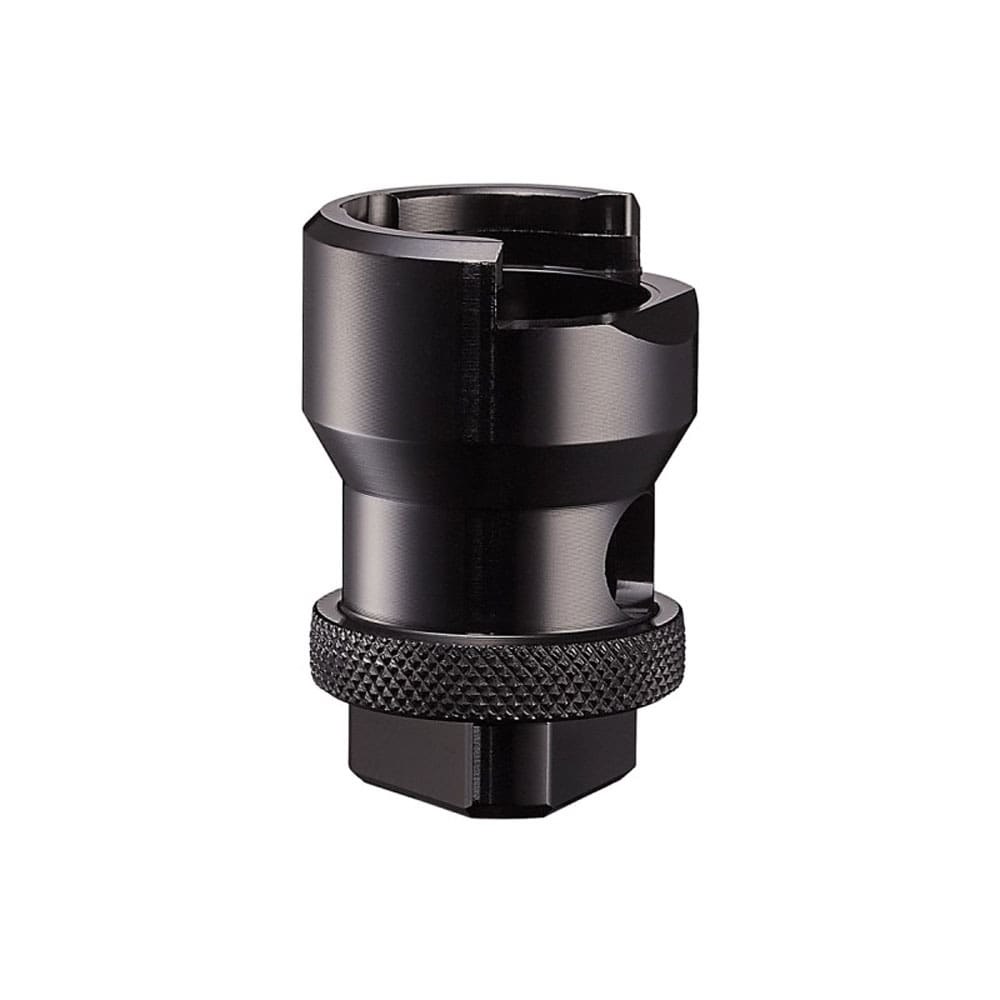
Credit: sbvtools.com
Safety Precautions
Always disconnect the battery before changing the ignition coil on your motorcycle. Wear safety gloves to protect your hands. Ensure the motorcycle is on a stable surface to prevent accidents.
Protective Gear
Wearing the right protective gear is crucial. Gloves protect your hands. Safety goggles shield your eyes. A sturdy pair of boots can prevent foot injuries. An apron can guard against spills and stains. Always choose high-quality gear for better protection.
Safe Working Environment
Ensure the work area is clean. Remove any clutter. Use a well-lit space. Good lighting helps you see better. Keep tools organized and within reach. Store flammable materials safely away. Ventilate the area to avoid harmful fumes. Always have a first aid kit nearby.
Locating The Ignition Coil
Find the ignition coil near the motorcycle’s engine. Typically, it’s located under the fuel tank. Ensure the bike is off before beginning.
Consulting The Manual
First, find your motorcycle manual. It has important info. Look for the section on the ignition coil. Manuals have clear pictures and steps. Follow them carefully. This ensures you understand the process. Manuals are made for your bike model. So, they fit your needs perfectly.
Identifying The Coil
The ignition coil is usually near the engine. It has wires connected to it. Look for a small, box-like part. Check the manual for its exact location. The coil might be under the fuel tank. You may need tools to reach it. Be careful with the wires. They are important for the engine. Disconnect them gently before removing the coil.
Removing The Old Ignition Coil
Disconnect the motorcycle battery to ensure safety. Remove the ignition coil’s mounting bolts and gently pull it out from its position.
Disconnecting The Battery
First, find the battery. Use a wrench to remove the negative cable. This stops any power from flowing. Next, remove the positive cable too. Make sure both cables are out of the way. Safety is very important.
Detaching The Coil
Locate the ignition coil. It connects to the spark plug and the engine. Use a screwdriver to remove the bolts. Carefully pull out the old coil. Make sure no wires are damaged. Keep all bolts safe for later use.
Preparing The New Ignition Coil
Begin by disconnecting the battery to ensure safety. Next, locate and remove the old ignition coil. Carefully install the new ignition coil, ensuring all connections are secure.
Inspecting The New Coil
Check the new ignition coil for any visible damage. Make sure all parts are intact. Look for any cracks or defects. These can cause problems later. Ensure the connectors are clean. No dirt or rust. A clean coil works better. Compare the new coil with the old one. They should look the same. This ensures it will fit and work correctly. If you see any issues, do not use the coil. Return it and get a new one.
Prepping The Coil For Installation
Gather all the necessary tools. You will need screwdrivers and wrenches. Read the manual for specific instructions. This helps you avoid mistakes. Place the coil in a safe area. Avoid dropping it. Dropping can damage it. Clean the connectors with a soft cloth. Lubricate the connectors if needed. This ensures a smooth installation. Now, the coil is ready for the next step.
Installing The New Ignition Coil
Replacing the ignition coil on a motorcycle is simple. Disconnect the battery, remove the old coil, and attach the new one. Tighten all connections securely for optimal performance.
Positioning The Coil
Start by locating the ignition coil slot. Make sure the area is clean. Place the new coil gently in the slot. Ensure it fits snugly. Any gaps can cause issues. Double-check the alignment. Proper positioning is crucial for smooth performance. Take your time with this step.
Securing The Coil
Use the correct screws to secure the coil. Tighten them firmly but do not over-tighten. Over-tightening can damage the coil. Ensure the coil is stable. Wobbly coils can cause problems. Check the stability by gently shaking the coil. If it moves, tighten the screws a bit more. Verify the connections. Loose connections can lead to malfunctions.
Reconnecting Electrical Components
Replacing a motorcycle’s ignition coil involves disconnecting the old unit, connecting the new coil, and ensuring proper wiring. This process restores efficient engine performance and smooth starts.
Connecting Wires
First, identify the correct wires. Connect the positive wire to the positive terminal. Connect the negative wire to the negative terminal. Make sure the connections are tight. Loose wires can cause problems. Use a wrench to secure the connections. Check for any loose ends. Ensure everything is in place before proceeding.
Reattaching The Battery
Place the battery back in its compartment. Connect the positive terminal first. Then connect the negative terminal. Tighten the screws with a wrench. Ensure the battery is secure. Double-check all connections. Turn the key to check if the motorcycle starts. If it does, you’ve done it right. If not, recheck the connections.

Credit: www.youtube.com
Testing The Installation
Ensure the new ignition coil is securely installed. Turn the key to test if the motorcycle starts smoothly. Listen for any unusual sounds or vibrations.
Starting The Motorcycle
Turn the key to the “on” position. Press the start button. The engine should start smoothly. Listen for unusual sounds. These sounds indicate issues with the ignition coil.
Checking For Issues
Look at the dashboard. Check for warning lights. Pay attention to the engine light. If it’s on, there may be a problem. Inspect the engine for strange noises. Feel for vibrations. These signs can show an installation issue. Smell for burning odors. This could indicate a serious problem.
Maintenance Tips
Regular inspections are vital for a motorcycle’s health. Always check the ignition coil. Look for any signs of wear or damage. A healthy coil ensures a smooth ride. Clean your coil regularly. Dirt can cause problems. Always keep it dry. Moisture can damage the coil. If you find any issues, fix them quickly. This prevents bigger problems later. Keeping a close watch helps your bike run well.
Signs of coil failure are easy to spot. Your bike may misfire. This means the engine does not run smoothly. You might feel a loss of power. Starting the bike can be hard too. The engine might stall or stop running. Check the coil if these issues appear. A bad coil can also cause poor fuel efficiency. If you notice these signs, inspect the ignition coil right away.
Frequently Asked Questions
How Do I Know My Ignition Coil Is Bad?
A bad ignition coil often causes engine misfires, rough idling, or difficulty starting. If you notice these symptoms, it might be time to check your ignition coil.
What Tools Do I Need To Change The Ignition Coil?
To change the ignition coil, you’ll need a wrench, socket set, and possibly a screwdriver. Always refer to your motorcycle’s manual for specific requirements.
How Long Does It Take To Change An Ignition Coil?
Changing an ignition coil typically takes about 30 minutes to an hour. Time may vary depending on your motorcycle model and experience level.
Can I Change My Ignition Coil Myself?
Yes, you can change the ignition coil yourself with basic tools and some mechanical knowledge. Always follow safety procedures and your motorcycle’s manual.
Conclusion: How to Change Ignition Coil Motorcycle
Changing a motorcycle ignition coil is simpler than it seems. Follow the steps carefully. Always use the right tools. Double-check all connections before testing. This ensures your motorcycle runs smoothly. Regular maintenance keeps your bike in top shape. Practice these steps and gain confidence.
Your motorcycle’s performance will improve. Enjoy safe and reliable rides. Happy riding!