
Obtaining a motorcycle license in California is essential for any aspiring rider looking to navigate the state’s scenic roads legally and safely. This comprehensive guide will walk you through the entire process, from understanding the different types of licenses available to completing the necessary training courses and exams and properly guided How to Get a Motorcycle License in California.
Whether you’re a novice or an experienced rider, knowing the specific requirements and steps can streamline your journey to becoming a licensed motorcyclist. We’ll also cover essential safety measures and tips to ensure that you not only pass the tests but become a responsible and skilled motorcycle operator on California’s roads.
Understanding Motorcycle License Classes
California issues two main classes of motorcycle licenses: Class M1 and Class M2. Understanding these classes is crucial for prospective riders, as they determine what types of motorcycles and motor-driven cycles one can legally operate.
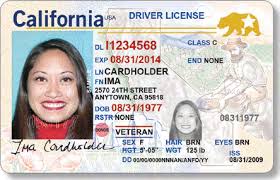

Class M1 License
A Class M1 license allows riders to operate any two-wheel motorcycle, motor-driven cycle, or motorized scooter. This includes a wide range of motorcycles and essentially provides full access to all two-wheeled motor vehicles.
Class M2 License
On the other hand, a Class M2 license is more limited. It permits the operation of motorized bicycles, mopeds, and motorized scooters only.
This distinction is important for those who may only wish to ride lighter, less powerful vehicles.
Comparison of M1 and M2
| License Class | Allowed Vehicles |
|---|---|
| M1 | Any two-wheel motorcycle, motor-driven cycle, motorized scooter |
| M2 | Motorized bicycles, mopeds, motorized scooters |
This table illustrates the distinctions between the two classes of motorcycle licenses in California. As seen, the M1 license offers broader privileges, allowing the holder to operate all vehicles classified under M2 as well as any two-wheeled motorcycle.
In contrast, the M2 license is limited to less powerful vehicles. Understanding this difference is vital for riders to ensure they apply for the correct license that matches their riding intentions.
Age Requirements for Motorcycle Licensing
Age plays a significant role in the process of obtaining a motorcycle license in California. The requirements differ based on whether the applicant is under 21 or over 21.
Requirements for Applicants Under 21
For applicants under 21, California law mandates that they complete a motorcycle rider training course approved by the California Highway Patrol (CHP). This course is essential as it enhances the rider’s skills and knowledge, and a Certificate of Completion (DL 389) is required to proceed with the licensing process.
Additionally, they must hold a Class M1 or M2 learner’s permit for at least six months before applying for a full license.
Requirements for Applicants Over 21
In contrast, applicants over 21 do not have to complete a motorcycle safety course but are strongly encouraged to do so. Instead, they can opt to take a driving test at the DMV.
They must still pass a vision and knowledge test and provide the necessary documentation.
Importance of the California Motorcyclist Safety Program (CMSP)
The California Motorcyclist Safety Program (CMSP) is crucial for all riders, especially those under 21. The CMSP not only provides essential training but also represents a significant step in ensuring riders are well-prepared for the challenges of the road.
Successful completion of the CMSP allows riders to waive the skills test if they present their completion certificate to the DMV.
| Age Group | Requirements |
|---|---|
| Under 21 | Complete CMSP, hold learner’s permit for 6 months |
| 21 and Over | Take the written test, skills test optional if CMSP completed |
This table summarizes the age-related requirements for obtaining a motorcycle license in California. Applicants under 21 are required to complete the CMSP and hold a permit for six months, which emphasizes the importance of training for younger, less experienced riders.
In contrast, those over 21 have a more flexible path, as they can choose between taking the skills test or completing the CMSP for a waiver. This structure aims to enhance safety for all riders on California’s roads.
Steps to Obtain a Motorcycle Learner’s Permit
Acquiring a motorcycle learner’s permit is a critical first step in the licensing process. This permit allows new riders to practice under certain restrictions before applying for a full motorcycle license.
Completing the Application
To begin, applicants need to fill out a Driver License or Identification Card Application (DL 44) at their local DMV office. This application will require personal information, including proof of identity, residency, and legal presence in California.
Passing the Knowledge Test
Next, applicants must pass a written knowledge test. This test assesses their understanding of motorcycle safety, traffic laws, and operational procedures.
Questions are based on the California Motorcycle Handbook, which provides essential guidelines for safe riding.
Vision Test Requirements
In addition to the knowledge test, a vision test is also required to ensure that the applicant can see well enough to operate a motorcycle safely. This is a standard requirement for all DMV applications.
| Step | Requirements |
|---|---|
| Application | DL 44 form, proof of identity, residency, legal presence |
| Knowledge Test | Pass written test based on the California Motorcycle Handbook |
| Vision Test | Pass vision exam |
The table above outlines the steps necessary for obtaining a motorcycle learner’s permit in California. Completing the application, passing the knowledge test, and passing the vision test are critical components in this process.
Each step is designed to ensure that the applicant is adequately prepared to ride safely and responsibly. The requirement to pass the knowledge test emphasizes the importance of understanding the rules of the road, while the vision test ensures that riders can see clearly to navigate safely.
Completing the California Motorcyclist Safety Program (CMSP)
The California Motorcyclist Safety Program (CMSP) is a cornerstone of motorcycle training in the state. It provides comprehensive education designed to help both novice and experienced riders enhance their skills.
Overview of the CMSP Course
The CMSP offers a structured training program that includes both classroom instruction and on-cycle training. The Basic Rider Course (BRC) is typically 15 hours long, encompassing 5 hours of classroom instruction and 10 hours of practical riding experience.
The course is designed to teach essential riding skills and safety practices.
Course Benefits and Skills Learned
Completing the CMSP course has numerous benefits, including the potential to waive the skills test requirement when applying for a motorcycle license. Participants learn vital skills such as safe riding techniques, emergency maneuvers, and how to handle road hazards effectively.
How to Enroll in a CMSP Course
Enrollment in a CMSP course can be done online through the CMSP website, where you can find various locations throughout California offering the course. It’s advisable to book early, as spots can fill up quickly, especially during peak riding seasons.
| Course Element | Details |
|---|---|
| Duration | 15 hours (5 hours classroom, 10 hours on-cycle) |
| Skills Taught | Riding techniques, emergency maneuvers, hazard management |
| Waiver | Skills test waiver available upon completion |
This table provides an overview of the CMSP course, highlighting its duration, the skills taught, and the benefits associated with completing the program. The focus on both classroom and practical instruction ensures that riders receive a well-rounded education, preparing them for the challenges of the road.
The skills waiver is a significant advantage, reducing the testing burden for those who successfully complete the course.
The Motorcycle Skills Test Explained
The motorcycle skills test is a critical component of the licensing process for riders who do not complete the CMSP course. This test evaluates a rider’s ability to handle a motorcycle safely and effectively.
Skills Test Overview
The skills test is divided into two main parts: an off-street test conducted in a controlled environment and an on-street test that takes place in real traffic conditions. The off-street portion focuses on basic maneuvers, while the on-street portion evaluates more advanced riding skills.
Common Maneuvers Tested
Key maneuvers that are typically assessed during the skills test include slow riding, gear shifting, turning, and obstacle avoidance. Riders must demonstrate proficiency in these skills to pass the test successfully.
Tips for Passing the Skills Test
To prepare for the skills test, riders should practice the required maneuvers thoroughly. Familiarity with the motorcycle being used for the test is crucial, as different bikes handle differently.
It’s also recommended to remain calm and focused during the examination.
| Test Component | Description |
|---|---|
| Off-Street Test | Basic skills such as turning, shifting, and slow riding |
| On-Street Test | Advanced maneuvers in a real traffic environment |
This table outlines the components of the motorcycle skills test, separating the off-street and on-street evaluations. Each portion of the test is designed to assess different aspects of riding proficiency, ensuring that applicants can navigate both controlled and real-world scenarios.
Preparing for these tests is essential for success, as they provide a comprehensive assessment of a rider’s skills.
Finalizing Your Motorcycle License Application
Once all necessary tests have been completed, the final steps to obtaining a motorcycle license involve submitting required documents and paying associated fees.
Submitting Required Documents
To finalize the application, riders must present their learner’s permit or Certificate of Completion from the CMSP, along with documentation proving identity and residency. This step is crucial to establish eligibility before the license is issued.
Payment of Fees
The next step involves paying the licensing fee, which varies based on the type of license being obtained. As of recent updates, the standard fee for a motorcycle license application is approximately $45, including all associated tests.
Receiving Your License
After submitting all necessary documents and payments, applicants will receive a temporary license valid for 90 days, while the permanent license is processed and mailed. This temporary license allows new riders to operate their motorcycles legally while waiting for the official document.
| Step | Details |
|---|---|
| Documents Required | Learning permit or CMSP completion certificate, proof of identity and residency |
| Payment | $45 application fee |
| License Issuance | Temporary license issued, permanent license mailed |
This table summarizes the final steps in the motorcycle licensing process, including documentation requirements, payment details, and the issuance of the license. Completing these steps ensures that riders are fully compliant with California law and can legally operate their motorcycles.
The issuance of a temporary license is particularly beneficial, allowing new riders to begin their journeys without unnecessary delay.
Safety Regulations and Responsibilities for Motorcyclists
Safety is paramount for motorcyclists, and California has specific regulations designed to protect riders and others on the road.
Helmet Laws
California law mandates that all motorcycle riders wear a DOT-approved helmet. This regulation is crucial for minimizing head injuries in the event of an accident and is strictly enforced by law enforcement agencies throughout the state.
Insurance Requirements
Motorcycle riders must carry valid motorcycle insurance that meets California’s minimum liability coverage requirements. Proof of insurance must be presented when requested by law enforcement, and failure to maintain insurance can result in severe penalties.
Sharing the Road Safely
Motorcyclists share the road with other vehicles and must adhere to the same traffic laws as all road users. This includes obeying speed limits, traffic signals, and being vigilant about surrounding conditions.
Riders should also be aware of blind spots and maintain a safe distance from other vehicles.
| Safety Regulation | Description |
|---|---|
| Helmet Law | Mandatory use of DOT-approved helmets for all riders |
| Insurance Requirement | Minimum liability coverage required for all riders |
| Traffic Laws | Must obey all traffic signals and regulations |
This table presents the key safety regulations that motorcycle riders in California must follow. The helmet law is a critical measure to protect riders from severe injuries, while the insurance requirement ensures that riders can cover any potential damages in the event of an accident.
Adhering to traffic laws is fundamental for all road users and significantly contributes to overall road safety.
Maintaining Your Motorcycle License
Maintaining a motorcycle license is just as important as obtaining one. California has specific guidelines for renewing and updating your license.
Renewal Process
Motorcycle licenses in California are typically valid for five years. Riders will receive a renewal notice from the DMV approximately two months before the expiration date.
It is essential to renew on time to avoid penalties and keep the license in good standing.
Keeping Your Information Updated
Riders must ensure that their personal information, such as address and name changes, is updated with the DMV. Failure to do so can lead to complications, especially in the event of an accident or when renewing the license.
Understanding License Expiration
If a motorcycle license expires, the rider may be required to retake the written or skills tests, depending on how long the license has been expired. To avoid this inconvenience, timely renewals are highly recommended.
| Renewal Aspect | Details |
|---|---|
| Validity Period | 5 years |
| Renewal Notice | Sent 2 months before expiration |
| Expiration Consequences | Possible retesting required if expired |
The table above outlines important aspects of maintaining a motorcycle license in California. Understanding the validity period and the renewal process helps riders stay compliant and avoid potential issues.
The consequences of an expired license, including the possibility of retesting, highlight the importance of timely renewals and keeping personal information up to date.
FAQs on How to Get a Motorcycle License in California
What is the minimum age to get a motorcycle license in California?
The minimum age to apply for a motorcycle license in California is 16 years old. However, if you are under 18, you must complete a motorcycle safety course approved by the California Highway Patrol (CHP) and hold a learner’s permit for at least six months before applying for a full motorcycle license.
How long does the motorcycle learner’s permit last?
A motorcycle learner’s permit in California is generally valid for one year. During this time, riders must practice under specific restrictions, such as not riding at night or on freeways.
After six months of holding the permit, riders can apply for a full motorcycle license.
Can I skip the skills test if I complete the CMSP course?
Yes, completing the California Motorcyclist Safety Program (CMSP) course allows riders to waive the skills test requirement when applying for a motorcycle license. Participants receive a Certificate of Completion (DL 389) that must be submitted to the DMV within 12 months of course completion.
What documents do I need to bring to the DMV for my motorcycle license?
When applying for a motorcycle license at the DMV, you must bring the following documents:
- A completed Driver License or Identification Card Application (DL 44)
- Proof of identity (e.g., birth certificate or passport)
- Proof of residency in California
- Certificate of Completion from the CMSP course (if applicable)
- Your motorcycle learner’s permit
How can I prepare for the written knowledge test?
To prepare for the written knowledge test, review the California Motorcycle Handbook, which contains all the necessary information on motorcycle laws and safety. Additionally, taking practice tests available online can help gauge your understanding and readiness for the actual test.
Conclusion
In conclusion, obtaining a motorcycle license in California involves a series of well-defined steps that ensure both safety and compliance with state laws. By understanding the requirements and preparing adequately for the tests and training courses, you can enjoy the freedom and excitement of riding a motorcycle on California’s beautiful roads.
Whether you are a new or experienced rider, continuous learning and a commitment to safety will enhance your riding experience and help you become a responsible motorcyclist. Embrace the journey and ride safely!