
In Maryland, obtaining a motorcycle license is a crucial step for enthusiasts eager to embrace the freedom of the open road. This guide provides a comprehensive overview of How to Get a Motorcycle License in Maryland, detailing the requirements based on age, existing licenses, and whether a safety course is completed.
We’ll explore essential steps including the application process, testing requirements, and the benefits of completing a motorcycle safety course. Additionally, understanding motorcycle permit restrictions and the importance of safety gear will be highlighted.
Whether you’re a novice or experienced rider, this article will equip you with all the necessary information to successfully obtain your motorcycle license in Maryland.
Understanding the Motorcycle License Classes in Maryland
In Maryland, motorcycle licenses are classified under the Class M license. This license is essential for anyone who wishes to operate a motorcycle legally on public roads.
It’s important to understand the distinctions between a Class M license and a standard driver’s license (Class C).

Class M License Overview
The Class M license is specifically designed for motorcycle operation. Unlike a standard driver’s license, it grants the holder the authority to ride motorcycles, ensuring that they are properly trained and qualified to handle these vehicles.
Differences from Class C License
A Class C license allows the holder to operate standard motor vehicles, but it does not cover motorcycles. To legally ride a motorcycle, one must obtain a Class M license or a Class M endorsement added to a Class C license.
This distinction is critical for safety and legal compliance.
Standalone Nature of Class M License
The Class M license operates independently from the Class C license, meaning that individuals cannot ride motorcycles solely with a Class C license. This requirement underscores the importance of proper training and licensing for motorcycle operators.
Eligibility Requirements for a Motorcycle License
To obtain a motorcycle license in Maryland, applicants must meet specific eligibility requirements. These requirements vary based on the applicant’s age and prior licensing experience.
Age Requirements
Applicants must be at least 16 years and 6 months old to qualify for a motorcycle license. Those under 18 must complete additional training, while applicants 18 and older have different requirements.
Required Documentation
To apply for a Class M license, applicants must present various documents, including:
- Proof of age (birth certificate or valid ID)
- Proof of identity (government-issued ID)
- Proof of Social Security Number
- Two proofs of Maryland residency (utility bills, leases, etc.)
Residency Proof
Proof of residency is an essential requirement, ensuring that the applicant is a legal resident of Maryland. This can be established through documents showing the applicant’s name and address.
The Maryland Motorcycle Safety Program (MSP)
The Maryland Motorcycle Safety Program is a vital component of the licensing process for motorcyclists, particularly for new riders. It emphasizes the importance of safety training to reduce accidents and fatalities.
Benefits of Completing the BRC
Completing the Basic Rider Course (BRC) provides numerous benefits:
- Exemption from the learner’s permit requirement
- Waiver of the knowledge and skills tests for some applicants
- Potential insurance discounts
- Increased riding confidence and safety
Course Structure and Requirements
The BRC consists of classroom instruction and practical riding experience. Participants must complete six hours of classroom education followed by ten hours of on-cycle training.
Successful completion results in a certificate that can be presented to the MVA.
Alternative Courses for Experienced Riders
Experienced riders may opt for alternative courses that focus on skill enhancement rather than basic training. These courses are available for those with prior riding experience and cover advanced techniques and safety measures.
Steps to Obtain a Motorcycle Learner’s Permit
Obtaining a learner’s permit is a critical step for new riders, allowing them to practice before taking the skills test. This section outlines the necessary steps to secure a motorcycle learner’s permit in Maryland.
Application Process for the Learner’s Permit
To apply for a motorcycle learner’s permit, applicants must visit their local MVA office and provide the required documentation. This includes proof of identity, age, and residency, along with passing a vision screening.
Vision and Knowledge Tests
Applicants must pass a vision test to ensure they meet the minimum visual standards required for safe riding. Additionally, a knowledge test covering traffic laws and safe riding practices is required unless the applicant has completed the BRC.
Permit Restrictions and Validity
The learner’s permit comes with specific restrictions, including:
- No highway riding
- No passengers
- Daylight riding only
- Mandatory use of DOT-approved helmet and eye protection
The learner’s permit is valid for six months and can be renewed once.
Taking the Skills Test
The skills test is a crucial component of obtaining a full motorcycle license. This test assesses the rider’s ability to control the motorcycle and perform necessary maneuvers.
Skills Test Components
The skills test includes a series of maneuvers, such as:
- U-turns
- Sharp turns from a stop
- Obstacle avoidance
- Quick stops
Preparing for the Skills Test
Preparation for the skills test should involve practicing these maneuvers in a safe environment. Riders are encouraged to familiarize themselves with the test layout and requirements.
Equipment and Motorcycle Requirements
The motorcycle used for the skills test must meet specific safety standards. It must be registered, insured, and free from mechanical issues.
Additionally, riders must wear approved safety gear during the test.
Application Process for the Full Motorcycle License
Transitioning from a learner’s permit to a full motorcycle license involves a few key steps, including submitting an application and passing necessary tests.
Submitting the Application
After successfully completing the skills test, applicants must submit their application for a full Class M license at the MVA. This includes presenting the certificate of completion from the safety course if applicable.
Fees and Payment Structure
The fee for obtaining a Class M license is determined by the number of years the license is valid, with a maximum fee of $72. An additional $9 annual fee applies for licenses held by individuals under 21.
Receiving Your License
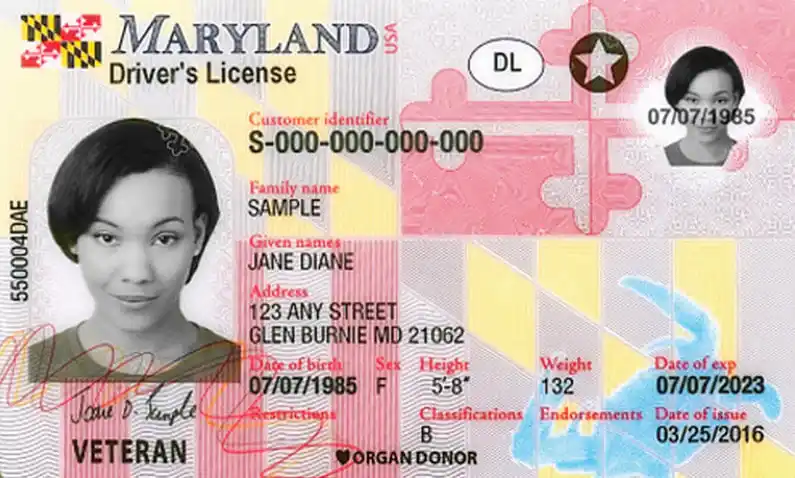
Upon approval, the MVA will issue a temporary license, while the permanent license is mailed within four to seven business days. All licenses are designed with advanced security features to prevent fraud.
Transferring an Out-of-State Motorcycle License
For those with a valid motorcycle license from another state, Maryland provides a streamlined process for transferring your license.
Vision Requirements for Transfer
Applicants must meet Maryland’s vision standards, which include having a minimum of 20/40 vision in each eye and a field of vision of at least 140 degrees.
Tests Required for Expired Licenses
If the out-of-state license has been expired for more than one year, applicants must pass both the knowledge and skills tests to obtain a Maryland Class M license.
Special Considerations for International Licenses
Holders of international motorcycle licenses must complete the vision and knowledge tests to obtain a Maryland license. Additionally, they may need to provide proof of residency and identity.
Common Mistakes and Tips for a Smooth Licensing Process
Navigating the motorcycle licensing process can be complex, and several common mistakes can hinder applicants. Understanding these pitfalls can lead to a more efficient experience.
Preparation for Tests
A lack of preparation for the knowledge test is a frequent mistake. Studying the Motorcycle Operator Manual and taking practice tests can significantly enhance the chances of passing.
Compliance with Gear Requirements
Failing to meet the safety gear requirements can result in being turned away from the skills test. Applicants must ensure they have the necessary helmet, gloves, and protective clothing.
Importance of a Learner’s Permit
Skipping the learner’s permit phase can limit practice opportunities. Using the learner’s permit to gain experience under supervision is crucial for success during the skills test.
FAQs on How to Get a Motorcycle License in Maryland
What documents do I need to apply for a motorcycle license in Maryland?
To apply for a motorcycle license in Maryland, you need to present several documents, including proof of age (like a birth certificate), proof of identity (government-issued ID), proof of Social Security Number, and two proofs of Maryland residency (such as utility bills or bank statements). These documents help establish your eligibility and residency status in the state.
Can I get a motorcycle license without a driver’s license?
Yes, you can obtain a motorcycle license (Class M) without holding a prior Class C driver’s license in Maryland. However, you will need to pass a Class C knowledge test before you can secure your motorcycle license.
This provision allows new riders to enter the licensing process even if they are not yet licensed to drive standard vehicles.
How long does it take to receive my motorcycle license after passing the tests?
After passing the necessary tests and submitting your application, you should receive your motorcycle license by mail within four to seven business days. In the meantime, the MVA will provide a temporary paper license that you can use until your permanent license arrives.
What are the costs associated with obtaining a motorcycle license?
The total cost for obtaining a motorcycle license in Maryland varies based on age and duration of the license. Generally, the fee is $72 maximum for a Class M license, with an annual fee of $9 for those under 21.
Additional costs may include fees for tests or safety courses.
Are there any restrictions on a motorcycle learner’s permit?
Yes, there are specific restrictions for riders holding a motorcycle learner’s permit in Maryland. Permit holders cannot ride on highways, cannot transport passengers, must ride only during daylight hours, and are required to wear a DOT-approved helmet and eye protection at all times.
These restrictions are in place to enhance safety for inexperienced riders.
Conclusion
In conclusion, obtaining a motorcycle license in Maryland involves navigating specific requirements and processes that vary based on age and experience. By completing the necessary training, passing tests, and adhering to state regulations, aspiring motorcyclists can enjoy the thrill of riding legally and safely.
This guide serves as a comprehensive resource, ensuring you are well-prepared to embark on your motorcycling journey in Maryland.