
Obtaining a motorcycle license in Virginia is an essential step for riders wishing to hit the open roads legally and safely. This guide will walk you through the requirements, processes, and options available for obtaining your motorcycle license and step by step guide on How to Get a Motorcycle License in Virginia.
From age requirements to testing and training programs, prospective riders will find all the information necessary to navigate the licensing process. Additionally, understanding the importance of motorcycle safety training and compliance with state regulations will not only help you get licensed but also ensure a safer riding experience.
Whether you are a new rider or are transferring from another state, this comprehensive guide will provide the clarity needed to begin your motorcycle journey in Virginia.
Eligibility Requirements for a Motorcycle License
Before you can obtain a motorcycle license in Virginia, you must meet specific eligibility requirements. This section outlines the necessary criteria, including age specifications, learner’s permit conditions, and exceptions for military personnel.
Age Requirements
The minimum age to apply for a motorcycle license in Virginia is 16 years and 3 months. Individuals under 18 must hold a valid Virginia driver’s license before applying for a motorcycle license.
This ensures that younger riders have some foundational driving experience.
Holding a Learner’s Permit
To legally operate a motorcycle before obtaining a full license, riders must first acquire a motorcycle learner’s permit. This permit is valid for 12 months and allows new riders to practice under specific conditions.
Riders must be supervised by a licensed motorcyclist who is at least 21 years old.
Exceptions for Military Personnel
Military personnel and their dependents may have specific provisions for obtaining their motorcycle license. They can present a certificate from an approved military motorcycle training course to bypass certain testing requirements.
| Eligibility Criteria | Details |
|---|---|
| Minimum Age | 16 years and 3 months |
| Learner’s Permit Validity | 12 months |
| Supervision Requirement | Must be with a licensed motorcyclist aged 21 or older |
The eligibility requirements for obtaining a motorcycle license in Virginia are straightforward. Understanding these requirements helps aspiring riders prepare adequately for the licensing process.
The age requirement ensures that all motorcycle operators have a certain level of maturity and responsibility, while the learner’s permit offers an essential training period. Supervision by an experienced rider enhances safety, allowing new motorcyclists to gain necessary skills under guidance.
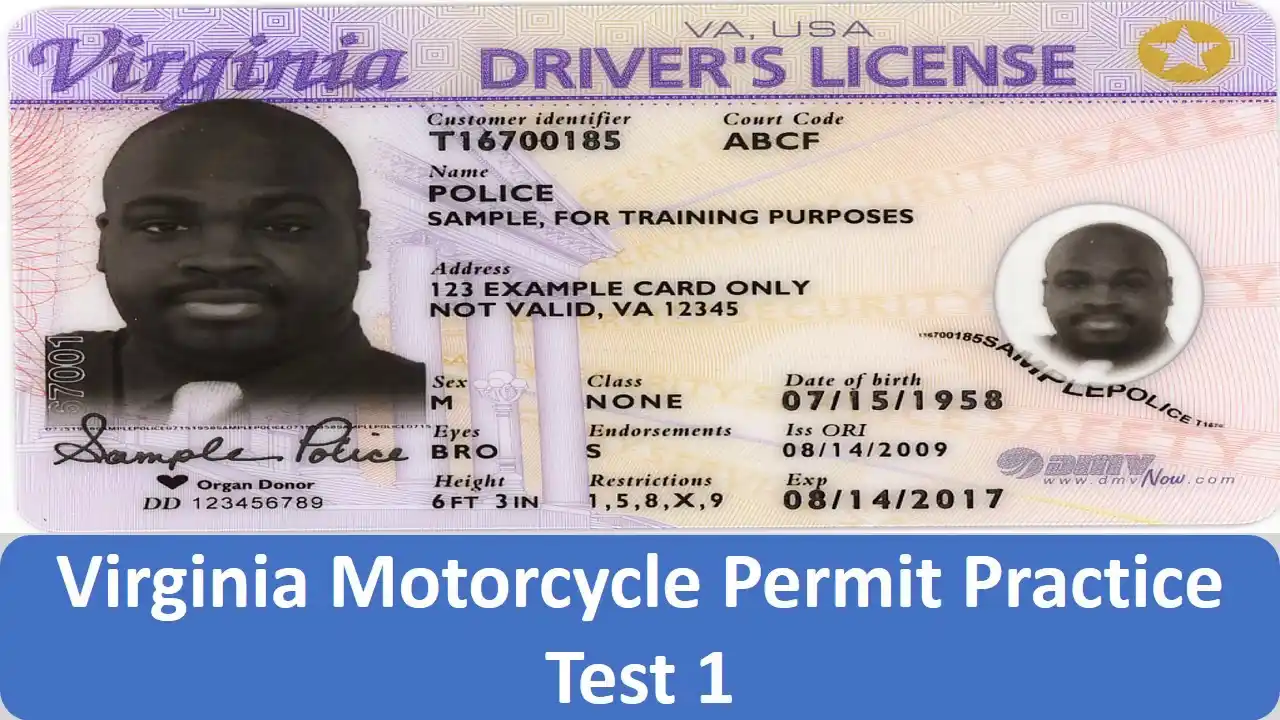
Understanding Class M Designations
Virginia recognizes different classifications when it comes to motorcycle licensing. Understanding these designations will help riders know exactly what type of motorcycle they are permitted to operate.
Class M Overview
In Virginia, the Class M designation allows for the operation of both two and three-wheeled motorcycles. Here’s a breakdown of what each designation means:
Differences Between M2 and M3
The Class M2 designation is specifically for two-wheeled motorcycles, while the Class M3 designation is for three-wheeled motorcycles. These distinctions ensure that riders are appropriately licensed for the type of motorcycle they are operating.
Obtaining a Motorcycle-Only License
If you wish to operate only a motorcycle and do not need a standard driver’s license, you can apply for a motorcycle-only license. This license is indicated by a “6” restriction on the license and is suitable for those who do not intend to drive a car.
| Designation | Allows Operation Of |
|---|---|
| M | Both two and three-wheeled motorcycles |
| M2 | Only two-wheeled motorcycles |
| M3 | Only three-wheeled motorcycles |
The classification system for motorcycle licenses in Virginia is essential for ensuring that riders are properly trained for the type of motorcycle they will operate. Having distinct designations allows for better regulation and enhances safety on the roads.
By understanding whether they need an M, M2, or M3 designation, riders can be more informed about their licensing needs.
The Virginia Rider Training Program
The Virginia Rider Training Program (VRTP) is an invaluable resource for new and experienced riders alike. This section will discuss the benefits of completing the program, its structure, and how to find a training location.
Course Structure and Content
VRTP courses are designed to teach riders the fundamental skills necessary for safe motorcycle operation. The curriculum covers topics such as basic motorcycle control, traffic awareness, and safe riding strategies.
These courses are conducted by certified instructors and can be taken by individuals of all skill levels.
Benefits of Completion
Completing the Virginia Rider Training Program offers several advantages. Most notably, riders who complete the course can waive the knowledge and road skills tests required by the DMV.
Additionally, many insurance companies offer discounts to riders who complete a safety course, making it a financially sound option as well.
Finding a Training Location
There are several approved training providers throughout Virginia. Riders can easily find a location by visiting the Virginia DMV website or contacting local motorcycle dealers and training schools.
| Course Benefits | Details |
|---|---|
| Test Waiver | Exempts from knowledge and road skills tests |
| Insurance Discounts | Potential reductions on motorcycle insurance premiums |
| Skill Development | Improves riding skills and safety awareness |
The Virginia Rider Training Program is a critical component for aspiring motorcyclists. Not only does it provide essential skills and knowledge for safer riding, but it also offers tangible benefits such as test waivers and insurance discounts.
By participating in this program, riders position themselves for a more successful and safer motorcycling experience.
Steps to Get Your Motorcycle License
Obtaining your motorcycle license in Virginia involves several steps. This section outlines the process clearly, detailing each requirement and test that must be completed.
Vision Screening Requirements
Before obtaining a motorcycle license, all applicants must pass a vision screening test. This test ensures that riders can safely operate a motorcycle and recognize traffic signals and hazards.
Knowledge Exam Details
The motorcycle knowledge exam consists of 25 multiple-choice questions related to motorcycle operation and safety. A passing score is typically around 80%, meaning that applicants must answer at least 20 questions correctly.
Road Skills Test Explanation
To demonstrate their riding capabilities, applicants must complete a road skills test. This may include maneuvers such as starting, stopping, turning, and swerving.
Riders who have completed the Virginia Rider Training Program can bypass this test.
| Step | Requirement |
|---|---|
| Vision Screening | Pass a vision test |
| Knowledge Exam | Score at least 80% on the written test |
| Road Skills Test | Complete the skills test unless waived by training program |
The steps to obtain a motorcycle license in Virginia are straightforward but require diligence from applicants. By passing the vision screening, knowledge exam, and road skills test (or riding course), prospective motorcyclists can ensure they are well-prepared to ride safely.
These steps not only fulfill legal requirements but also enhance the rider’s competence and awareness on the road.
Insurance and Registration Requirements
Before hitting the road, it’s essential to understand the legal requirements for motorcycle insurance and registration in Virginia. This section details what you need to know about coverage and the registration process.
Minimum Insurance Coverage
Virginia law mandates that all motorcycle riders have adequate insurance coverage. The minimum required coverage includes liability insurance, which protects against injuries or damages caused to others in an accident.
Riders are strongly encouraged to consider additional coverage options to protect themselves and their motorcycles.
Registration Process
To register a motorcycle in Virginia, owners must provide a valid title, proof of identity, and complete a registration application. Registration fees vary based on the motorcycle’s type and weight.
It is important to ensure that registration is renewed annually to avoid penalties.
Additional Recommendations for Coverage
While minimum coverage is required, riders should consider comprehensive and collision coverage for added protection. These options can cover damages to the motorcycle in case of accidents or theft.
| Insurance Requirement | Details |
|---|---|
| Liability Coverage | Required by law |
| Registration Fee | Varies based on motorcycle type |
| Comprehensive Coverage | Highly recommended for added protection |
Understanding the insurance and registration requirements is crucial for all motorcycle riders in Virginia. Legal compliance not only avoids potential fines but also ensures that riders have the necessary protection in case of accidents.
By securing adequate insurance and completing the registration process, motorcycle owners can ride with confidence and peace of mind.
Common Mistakes to Avoid
Missing Documentation
One of the most frequent issues applicants face is not having the required documentation when visiting the DMV. This can delay the licensing process significantly.
Always double-check that you have all necessary documents before your appointment.
Ignoring Training Opportunities
Many new riders choose to skip training courses, believing they can learn on their own. However, completing a motorcycle safety course is beneficial not only for passing the tests but also for enhancing riding skills.
Take advantage of available training programs to increase your safety on the road.
Procrastinating on Tests
Waiting too long to take the knowledge or road skills tests can lead to missed opportunities, especially if your learner’s permit is close to expiration. Schedule tests as soon as you feel ready to ensure you can obtain your license without delay.
| Mistake | Consequence |
|---|---|
| Missing Documentation | Delays in the application process |
| Ignoring Training | Less preparedness for riding |
| Procrastinating on Tests | Expired learner’s permit |
Avoiding common mistakes is essential for a smooth licensing process. Being organized and proactive can help aspiring motorcyclists navigate the steps more efficiently.
By ensuring all documentation is in order, taking advantage of training programs, and scheduling tests promptly, riders can enhance their chances of success in obtaining their motorcycle license.
FAQS on How to Get a Motorcycle License in Virginia
How long is my learner’s permit valid?
Your motorcycle learner’s permit in Virginia is valid for 12 months. During this time, you can practice riding under certain conditions, such as being supervised by a licensed motorcyclist who is at least 21 years old.
Can I ride without a license?
No, it is illegal to operate a motorcycle in Virginia without a valid motorcycle license or learner’s permit. Doing so can result in legal penalties, including fines and potential jail time, as outlined in Virginia Code § 46.2-328.
What if I move from another state?
If you hold a valid motorcycle license from another state, you can apply for a Virginia motorcycle license. However, you will need to pass the knowledge and road skills tests, as Virginia does not accept out-of-state motorcycle safety course certificates for licensing purposes.
What are the penalties for riding without a motorcycle license in Virginia?
Riding without a valid motorcycle license can result in a Class 2 misdemeanor, which may include fines and possible jail time. Additionally, you may also face consequences such as vehicle impoundment and higher insurance rates.
Do I have to take a skills test if I complete a training course?
If you successfully complete an approved Virginia Rider Training Program course, you are exempt from taking both the knowledge and road skills tests. The completion certificate serves as proof of your training and allows you to apply for your motorcycle license more easily.
Conclusion
In conclusion, obtaining a motorcycle license in Virginia requires understanding specific eligibility requirements, completing necessary training, and passing various tests. By following this guide, aspiring riders can navigate the process more efficiently and ensure they are well-prepared to ride safely.
Remember, investing time in education and practice not only helps in the licensing process but also enhances your safety on the road. Enjoy your journey into the world of motorcycling while adhering to Virginia’s regulations and prioritizing safety.