
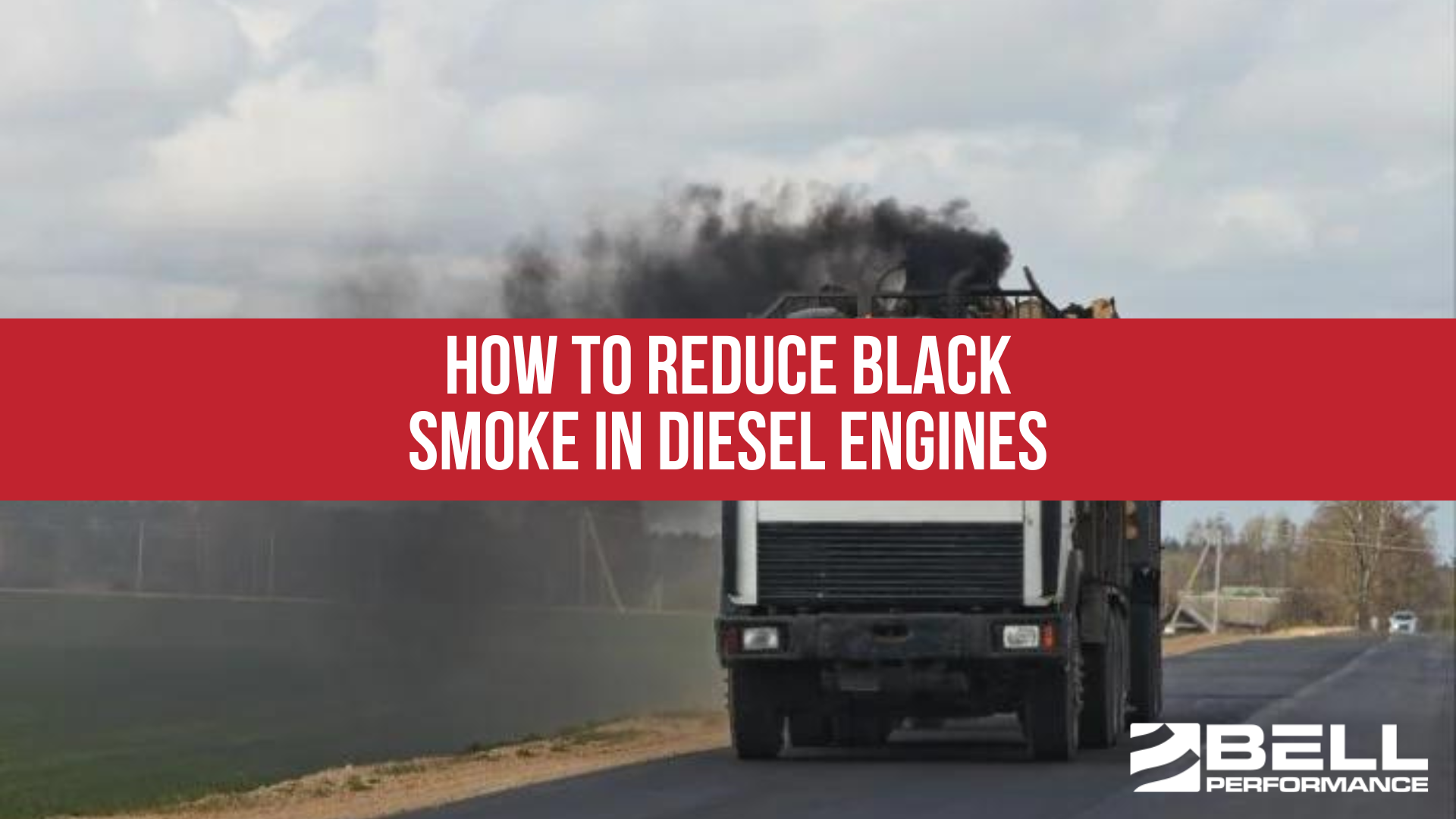
To reduce black smoke from diesel engines, you need to address several factors. Black smoke usually indicates incomplete combustion, which can be due to various reasons.
Diesel engines are known for their efficiency and power. Yet, black smoke from the exhaust can be a troubling sign. It not only pollutes the air but also suggests engine issues. Understanding the causes is key to learning how to reduce black smoke from diesel engines effectively.
From fuel quality to air filters, many factors contribute to this issue. In this guide, we will explore practical steps to help you reduce black smoke. By following these tips, you can ensure your engine runs smoothly and cleanly. So, let’s dive into the solutions to keep your diesel engine in top shape.
Causes Of Black Smoke
Black smoke from diesel engines is a common problem. It indicates incomplete combustion. Several factors contribute to this issue. Understanding the causes is essential to address it effectively.
Incomplete Combustion
Incomplete combustion occurs when fuel does not burn completely. It results in black smoke. Several factors can lead to incomplete combustion:
- Dirty air filters
- Clogged fuel injectors
- Insufficient air supply
- Poor quality fuel
Keeping air filters clean is crucial. It ensures a proper air-fuel mix. Regularly check and replace air filters. This helps in reducing black smoke.
Faulty Fuel Injectors
Fuel injectors play a critical role. They spray fuel into the combustion chamber. Faulty fuel injectors can cause improper fuel spray. This leads to incomplete combustion and black smoke.
Signs of faulty fuel injectors include:
- Engine misfires
- Poor fuel economy
- Increased exhaust emissions
Regular maintenance is key. Inspect fuel injectors regularly. Clean or replace them if needed. This helps maintain efficient combustion and reduces black smoke.
| Cause | Solution |
|---|---|
| Dirty Air Filters | Clean or replace air filters |
| Clogged Fuel Injectors | Clean or replace fuel injectors |
| Poor Quality Fuel | Use high-quality fuel |
| Insufficient Air Supply | Ensure proper air intake |
Addressing these causes helps reduce black smoke. It improves engine performance and fuel efficiency. Regular maintenance is essential for a healthy diesel engine.

Credit: m.youtube.com
Regular Maintenance
Reducing black smoke from diesel engines is essential for better performance and environment. Regular maintenance plays a key role in minimizing black smoke emissions. Simple maintenance tasks can significantly improve the engine’s efficiency and reduce harmful emissions.
Engine Tuning
Engine tuning is crucial for reducing black smoke. Proper tuning ensures that the engine operates at peak efficiency. It involves adjusting the fuel injection system, checking the timing, and ensuring all components are working well.
- Adjust the fuel injection system
- Check and set the timing correctly
- Inspect all engine components
Regular engine tuning helps in achieving better fuel combustion. This reduces the amount of unburnt fuel, which is a primary cause of black smoke.
Air Filter Replacement
Another important step in regular maintenance is air filter replacement. A clean air filter ensures that the engine gets the right amount of air for combustion.
A dirty air filter restricts airflow, leading to incomplete combustion. This results in black smoke. Therefore, replacing the air filter at regular intervals is important.
- Check the air filter every 5,000 miles
- Replace it if it appears dirty or clogged
- Use high-quality air filters for better performance
A clean air filter leads to better air-fuel mixture and efficient combustion. This minimizes the production of black smoke and enhances engine performance.
| Maintenance Task | Frequency |
|---|---|
| Engine Tuning | Every 10,000 miles |
| Air Filter Replacement | Every 5,000 miles |
Fuel Quality
Ensuring high fuel quality is crucial to reduce black smoke from diesel engines. Poor fuel quality can lead to incomplete combustion, causing black smoke. Let’s explore two key aspects of fuel quality: using premium diesel and avoiding contaminated fuel.
Using Premium Diesel
Using premium diesel can make a big difference. Premium diesel has additives that improve combustion. These additives help reduce black smoke. It also cleans the engine, which improves performance.
A cleaner engine means less soot and smoke. Premium diesel is more refined than regular diesel. This means fewer impurities. Fewer impurities lead to better combustion and less smoke.
Here is a comparison table between regular diesel and premium diesel:
| Aspect | Regular Diesel | Premium Diesel |
|---|---|---|
| Refinement | Lower | Higher |
| Additives | Fewer | More |
| Engine Cleanliness | Less Clean | More Clean |
| Black Smoke Emission | Higher | Lower |
Avoiding Contaminated Fuel
Contaminated fuel can cause many problems. It can clog fuel injectors. Clogged injectors lead to incomplete combustion. This results in black smoke. Avoiding contaminated fuel is essential.
Here are some tips to avoid contaminated fuel:
- Buy fuel from reputable stations.
- Use clean containers for fuel storage.
- Regularly check and clean your fuel tank.
- Change fuel filters as per the manufacturer’s recommendations.
Using these tips can help keep your fuel clean. Clean fuel means better combustion. Better combustion means less black smoke.
Exhaust System
The exhaust system plays a key role in reducing black smoke from diesel engines. Proper maintenance ensures that your engine runs efficiently. This section explains how to keep your exhaust system in top condition.
Cleaning The Exhaust
Cleaning the exhaust system helps in reducing black smoke. Dirt and soot can block the exhaust, leading to poor engine performance. Regular cleaning prevents this buildup. Here’s how to clean it effectively:
- Check the exhaust pipe for any visible dirt or debris.
- Use a wire brush to remove loose soot and dirt.
- Apply a cleaning solvent to dissolve stubborn deposits.
- Rinse the exhaust pipe with water and allow it to dry.
Cleaning should be done every few months or as needed. This ensures a clear path for exhaust gases, reducing black smoke.
Checking For Leaks
Leaks in the exhaust system can cause black smoke. They allow unburned fuel to escape, which results in visible smoke. Regular checks can help identify and fix these leaks.
Here’s how to check for leaks:
- Inspect the exhaust pipe for any holes or cracks.
- Listen for unusual sounds, like hissing or popping.
- Feel around the pipe for escaping air when the engine is running.
- Use a soap solution to detect bubbles around the pipe, indicating leaks.
Fix any identified leaks promptly. Use exhaust tape or sealant for small leaks. For larger issues, consider professional help.
| Action | Frequency |
|---|---|
| Cleaning the exhaust | Every few months |
| Checking for leaks | Monthly |
Maintaining the exhaust system can significantly reduce black smoke. Keeping it clean and leak-free ensures better engine performance and less pollution.
Turbocharger Issues
Diesel engines are known for their durability and fuel efficiency. But black smoke from diesel engines can be a problem. One common cause is turbocharger issues. Understanding these issues can help reduce black smoke and improve engine performance.
Boost Pressure
Boost pressure is crucial for the turbocharger’s function. The turbo increases the engine’s air intake, improving combustion. Low boost pressure can lead to incomplete combustion, causing black smoke. Monitoring boost pressure can help identify problems early. Use a boost gauge to check the pressure levels.
| Boost Pressure Level | Effect on Engine |
|---|---|
| High | Improves performance, but risks damage |
| Normal | Optimal performance and efficiency |
| Low | Causes black smoke and poor performance |
Turbo Maintenance
Regular turbo maintenance is essential for reducing black smoke. Proper maintenance ensures the turbo works efficiently. Follow these steps for maintaining your turbo:
- Check and replace the air filter regularly.
- Inspect the turbo for any signs of wear or damage.
- Ensure the oil supply to the turbo is clean and sufficient.
- Clean the turbo’s intercooler to remove any debris.
Proper maintenance can prevent many turbocharger problems. It keeps the engine running smoothly and reduces black smoke.
Egr System
The Exhaust Gas Recirculation (EGR) system helps reduce black smoke from diesel engines. It does this by recirculating a portion of the exhaust gases back into the engine cylinders. This process lowers combustion temperatures and reduces the formation of nitrogen oxides (NOx). Keeping the EGR system in top condition is vital for controlling emissions and improving engine performance. This section covers important aspects of the EGR system: EGR valve cleaning and EGR cooler inspection.
Egr Valve Cleaning
The EGR valve controls the flow of exhaust gases into the intake manifold. Over time, soot and carbon deposits can clog the EGR valve. This reduces its efficiency and leads to increased black smoke. Regular cleaning of the EGR valve is necessary.
- Step 1: Remove the EGR valve from the engine.
- Step 2: Use a suitable cleaner to remove carbon deposits.
- Step 3: Ensure all passages are clear.
- Step 4: Reinstall the EGR valve.
Proper cleaning ensures the EGR valve functions correctly. This helps reduce black smoke and improves engine efficiency.
Egr Cooler Inspection
The EGR cooler reduces the temperature of the exhaust gases before they enter the intake manifold. This cooling process helps in further reducing NOx emissions. The EGR cooler can get clogged with soot and other deposits, affecting its performance.
- Step 1: Remove the EGR cooler from the engine.
- Step 2: Inspect for any visible blockages or damage.
- Step 3: Clean the cooler using a suitable cleaning solution.
- Step 4: Reinstall the EGR cooler and check for proper operation.
Regular inspection and cleaning of the EGR cooler ensure it works efficiently. This helps in maintaining lower emissions and better engine performance.
Advanced Technologies
Reducing black smoke from diesel engines is crucial for both the environment and engine efficiency. Advanced technologies offer effective solutions. They help in minimizing harmful emissions, improving air quality, and ensuring better engine performance.
Diesel Particulate Filters
Diesel Particulate Filters (DPFs) are designed to trap soot particles. These particles are a major component of black smoke. DPFs are highly effective in reducing soot emissions. They work by capturing and storing exhaust soot. Over time, the soot is burned off during a process called regeneration.
Benefits of DPFs:
- Reduces particulate emissions by up to 85%.
- Improves engine efficiency.
- Enhances air quality.
Regular maintenance of DPFs is essential. It ensures optimal performance and longevity. Cleaning and replacing DPFs at recommended intervals is important.
Selective Catalytic Reduction
Selective Catalytic Reduction (SCR) is another advanced technology. SCR systems reduce nitrogen oxide (NOx) emissions. NOx emissions contribute to black smoke and air pollution.
SRC works by injecting a urea-based solution into the exhaust stream. This solution, also known as Diesel Exhaust Fluid (DEF), reacts with NOx. The reaction converts NOx into harmless nitrogen and water.
Advantages of SCR:
- Reduces NOx emissions by up to 90%.
- Improves fuel efficiency.
- Reduces the formation of black smoke.
Maintaining SCR systems involves monitoring DEF levels. Refill DEF as needed to ensure continuous operation. Regular checks and maintenance are also important for optimal SCR performance.
Credit: www.bellperformance.com
Driving Habits
Adjusting your driving habits can significantly reduce black smoke from your diesel engine. By adopting smoother driving techniques, you can improve fuel efficiency and reduce emissions. Let’s dive into some effective strategies.
Avoiding Hard Acceleration
Hard acceleration increases the load on your engine, causing it to burn more fuel. This can lead to more black smoke. Instead, try to accelerate gradually. This not only reduces emissions but also saves fuel.
Here are some tips to avoid hard acceleration:
- Press the gas pedal gently.
- Shift gears at the right time.
- Maintain a steady speed.
By following these tips, you can keep your diesel engine running clean and efficient.
Regular Long Drives
Short trips can cause soot to build up in your engine. This can lead to black smoke. Taking your vehicle on regular long drives helps to clear out the soot.
Benefits of regular long drives:
| Benefit | Description |
|---|---|
| Clears Soot | Burns off accumulated soot in the engine. |
| Improves Efficiency | Helps the engine run smoother and more efficiently. |
| Reduces Maintenance | Prevents build-up that can cause engine issues. |
Aim for at least one long drive a week. This practice can help maintain your engine’s health and reduce black smoke.
Credit: costeffective.com.au
Frequently Asked Questions
What Causes Black Smoke In Diesel Engines?
Black smoke is caused by incomplete combustion. This can result from poor fuel quality, clogged injectors, or inadequate air supply.
How Can I Reduce Black Smoke?
Regular maintenance is key. Clean or replace air filters, use high-quality fuel, and ensure injectors are functioning properly.
Does Driving Style Affect Black Smoke?
Yes, aggressive driving can increase black smoke. Smooth acceleration and maintaining a steady speed can help reduce emissions.
Can Additives Help Reduce Black Smoke?
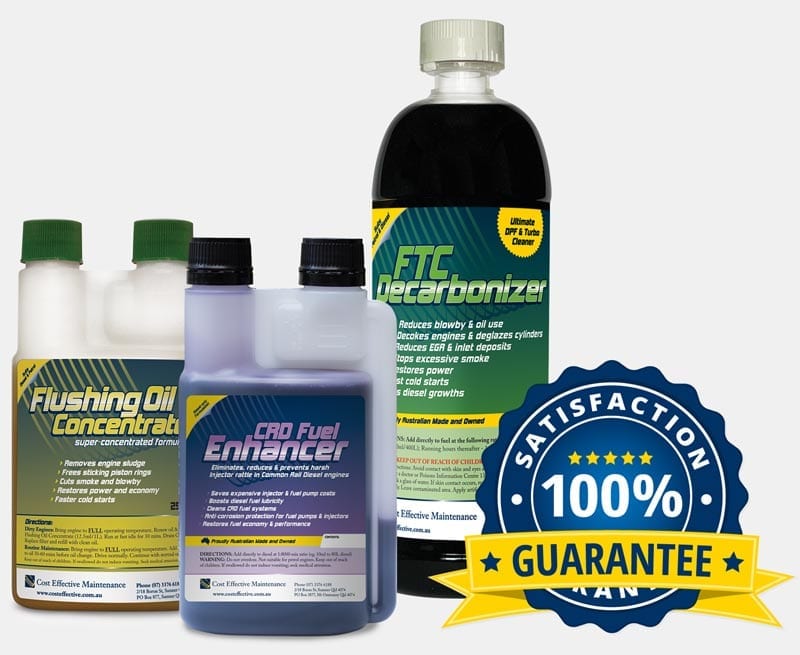
Yes, fuel additives can improve combustion efficiency. They clean injectors and enhance fuel quality, leading to reduced black smoke.
Conclusion
Knowing how to reduce black smoke from diesel engines is crucial for better performance. Regular maintenance keeps engines running clean, while using quality fuel helps minimize emissions. Check and replace air filters often, and inspect injectors for proper functioning. Drive efficiently to reduce load on the engine.
Keep exhaust systems clean and unobstructed. Implement these steps to see noticeable improvements. Your diesel engine will thank you with cleaner emissions, contributing to better health for all.