Motorcycle carburetors are essential components in regulating the fuel-to-air mixture, ensuring optimal engine performance. However, when these carburetors face overflow issues, it can lead to fuel leaking from the overflow tubes, often causing significant inconvenience for the rider. This overflow not only leads to wasted fuel but can also create safety risks, including fire hazards. Addressing motorcycle carburetor overflow problems is essential to maintaining your bike’s efficiency and ensuring safe riding conditions.
This article will explore the primary causes behind motorcycle carburetor overflow problems, provide you with effective solutions, and offer tips on preventing these issues from occurring in the future. Whether you are a seasoned motorcycle owner or a beginner in bike maintenance, this guide will give you the tools and knowledge to troubleshoot and resolve carburetor overflow issues effectively.
What Causes Motorcycle Carburetor Overflow Problems?
Understanding the root causes of motorcycle carburetor overflow problems is crucial to resolving them. These overflow issues usually arise when the fuel level inside the carburetor bowl becomes too high, causing fuel to spill out of the overflow tubes. Here are some of the most common reasons behind these overflow problems:
1. Faulty Float Valve
The float valve is responsible for regulating the fuel level inside the carburetor. When the float valve is functioning properly, it prevents the carburetor from overfilling by closing off the fuel inlet when the correct fuel level is reached. However, if the float valve becomes dirty, worn out, or damaged, it may fail to close properly, resulting in excess fuel entering the carburetor and causing overflow.
How to identify a faulty float valve:
-
Look for visible wear or dirt buildup on the float.
-
Check if the valve needle or seat is corroded or damaged.
-
If fuel keeps flowing when the petcock is off, the float valve is likely the culprit.
2. Incorrect Fuel Level
Another common cause of motorcycle carburetor overflow problems is an incorrect fuel level inside the carburetor bowl. Ideally, the fuel level should sit 2.5 to 4.5 millimeters below the carburetor bowl’s joint. When the float tang is bent or the fuel level is too high, fuel can spill over from the overflow tube, especially when the bike is parked at an angle.
How to fix an incorrect fuel level:
-
Perform the “clear tube test” to measure the fuel level in the carburetor bowl.
-
If the fuel level is too high, carefully adjust the float tang by gently bending it to raise or lower the fuel level.
-
Be sure to make small adjustments and test the result each time to avoid over-correcting.
3. Damaged Overflow Tube
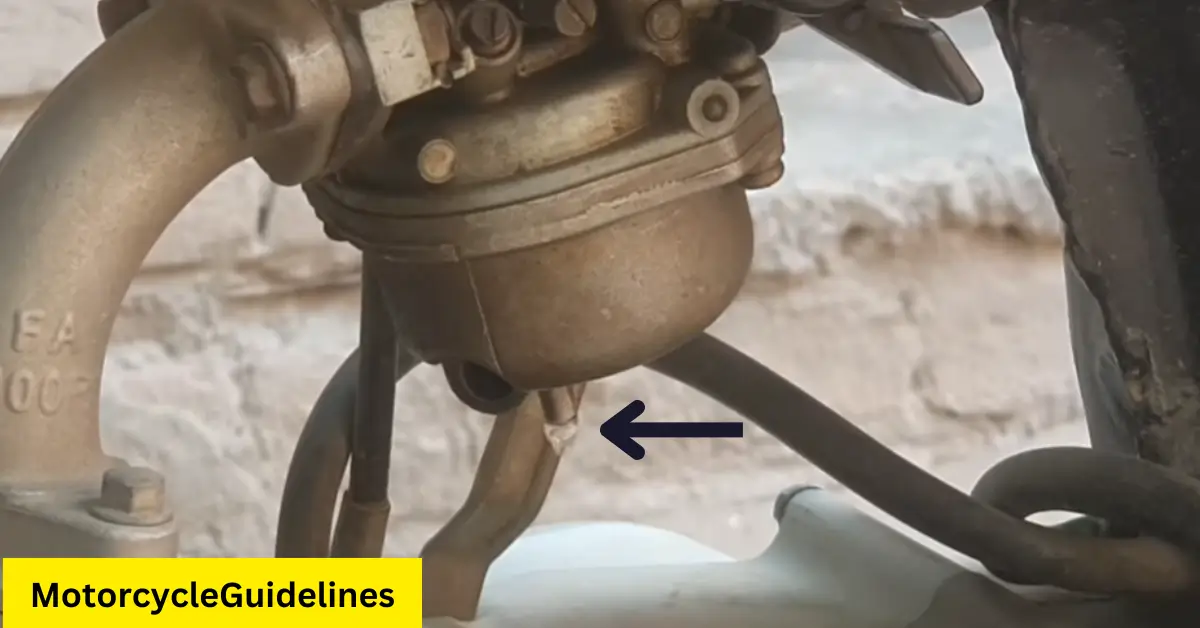
Inside the carburetor bowl is a brass overflow tube designed to divert excess fuel out of the carburetor. If this tube becomes cracked, broken, or detached, fuel can escape through the overflow, causing the carburetor to overflow continuously.
How to detect a damaged overflow tube:
-
After removing the carburetor bowl, inspect the overflow tube for any cracks or detachment from the carburetor.
-
To check for leaks, fill the carburetor bowl with water or alcohol and look for any fluid leaking out of the overflow tube.
4. Faulty Petcock
The petcock controls the flow of fuel from the fuel tank to the carburetor. If the petcock malfunctions, it can allow fuel to flow continuously into the carburetor, even when the engine is off. This can cause fuel to overfill the carburetor and leak out through the overflow tube, especially when the bike is on its side stand.
How to identify a faulty petcock:
-
If fuel continues to flow when the petcock is in the “off” position, the petcock diaphragm could be damaged.
-
Check for fuel leaks by removing the fuel line and ensuring no fuel flows from the petcock when the engine is off.
-
Inspect the vacuum lines for any signs of fuel leakage, which would indicate a problem with the petcock.
5. Blocked Fuel Filter
A clogged fuel filter can restrict fuel flow, causing irregularities in the fuel delivery to the carburetor. If the fuel filter is blocked, it may cause excess fuel to fill the carburetor, leading to overflow.
Signs of a blocked fuel filter:
-
Reduced fuel flow to the carburetor.
-
Decreased engine performance, particularly when accelerating.
-
Overflowing carburetor after prolonged riding or stopping.
6. Worn or Broken Float
The float inside the carburetor bowl is designed to control the fuel level. If the float is cracked, worn down, or misaligned, it can prevent the carburetor from regulating the fuel correctly, leading to overflow.
How to check for float issues:
-
Remove the carburetor bowl and inspect the float for damage.
-
Ensure that the float moves freely when adjusted.
-
If the float is damaged, replace it to prevent further issues with overflow.
How to Fix Motorcycle Carburetor Overflow Problems
Once you’ve identified the cause of your motorcycle carburetor overflow problems, you can take steps to fix the issue. Below are some solutions for each of the common causes:
1. Clean or Replace the Float Valve
If the float valve is clogged or damaged, cleaning or replacing it will solve the overflow issue. The following steps will guide you in fixing the float valve:
Steps to clean or replace the float valve:
-
Turn off the fuel supply and remove the carburetor bowl by loosening the screws.
-
Clean the float needle and seat using carburetor cleaner and a Q-tip.
-
Inspect the float valve for any signs of wear. If it’s damaged, replace the needle and seat.
-
Reassemble the carburetor and check for any signs of overflow.
2. Adjust the Fuel Level
If the fuel level inside the carburetor bowl is too high, adjusting the float tang is the key to resolving the issue. Here’s how to do it:
Steps to adjust the fuel level:
-
Attach a clear tube to the carburetor drain and place the tube vertically.
-
Open the petcock to allow fuel to flow into the carburetor.
-
The fuel should rise to a level between 2.5 and 4.5 millimeters below the carburetor bowl joint.
-
If the fuel level is too high, gently bend the float tang to adjust the float valve and lower the fuel level.
3. Replace a Damaged Overflow Tube
If you discover that the overflow tube is cracked or detached, it’s best to replace it. Here’s how to handle it:
Steps to replace a damaged overflow tube:
-
Remove the carburetor bowl and inspect the overflow tube.
-
If the tube is cracked or detached, it should be replaced. If it’s integrated into the carburetor bowl, you may need to replace the entire bowl.
-
Once the new overflow tube is in place, test the carburetor for any signs of overflow.
Preventing Motorcycle Carburetor Overflow Problems
While fixing motorcycle carburetor overflow problems when they arise is essential, prevention is always better than a cure. By regularly maintaining your motorcycle and monitoring key components, you can avoid these overflow issues in the first place. Below are some preventive measures to keep your carburetor in top shape and avoid overflow problems:
1. Regularly Clean and Inspect the Carburetor
One of the most effective ways to prevent motorcycle carburetor overflow problems is to keep your carburetor clean and well-maintained. Dirt and debris can accumulate over time, causing the float valve to malfunction or clog. By cleaning your carburetor regularly, you ensure that all the moving parts work efficiently and that the fuel system remains free of blockages.
Tips for cleaning and inspecting the carburetor:
-
Remove the carburetor and disassemble it to inspect the float, needle, and seat.
-
Use carburetor cleaner to remove any dirt, carbon deposits, or other debris from the components.
-
Pay special attention to the float needle and seat, as they are the most prone to wear and dirt buildup.
-
Inspect the overflow tube for any cracks or signs of wear, especially after long rides or storage.
2. Replace Worn or Damaged Components Promptly
Carburetor components, such as the float needle, seat, and overflow tube, can wear out over time. If you notice any signs of damage or malfunction, replacing the affected components promptly is crucial to prevent further motorcycle carburetor overflow problems.
Signs that a component needs replacing:
-
If the float valve is not sealing properly, fuel will overflow continuously.
-
A cracked or detached overflow tube can cause fuel to spill out, even when the carburetor is functioning properly.
-
If the petcock fails to stop fuel flow when the engine is off, the carburetor may overflow as fuel enters the system unchecked.
3. Install a Quality Fuel Filter
A quality fuel filter is essential in preventing debris from entering the carburetor. When dirt or rust particles from the fuel tank enter the carburetor, they can block the fuel passages, clog the float needle and seat, and cause overflow problems.
How to install and maintain a fuel filter:
-
Choose a high-quality inline fuel filter that is compatible with your motorcycle.
-
Install the filter between the fuel tank and carburetor to ensure that any contaminants are filtered out before reaching the carburetor.
-
Regularly check the filter for clogs or blockages and replace it as needed.
4. Check the Petcock Regularly
As mentioned earlier, the petcock plays a vital role in controlling fuel flow. Regularly check the petcock to ensure it’s functioning correctly. If the petcock continues to flow fuel even when turned off, it’s time to inspect or replace it. A malfunctioning petcock is one of the most common causes of motorcycle carburetor overflow problems.
How to check the petcock:
-
Turn off the engine and set the petcock to the “off” position.
-
Remove the fuel line from the petcock and check if any fuel flows out. If fuel continues to flow, the petcock needs attention.
-
Inspect the vacuum lines and diaphragm for signs of wear or damage. If there’s an issue, the petcock may need to be cleaned or replaced.
5. Store the Bike Properly
When storing your motorcycle for an extended period, make sure it’s parked properly to prevent fuel from overflowing. The angle at which the bike is parked can affect the fuel level in the carburetor, especially if there’s already an underlying issue with the carburetor or petcock. Whenever possible, use the center stand instead of the side stand to ensure the bike remains level.
Tips for storing the bike:
-
Store the bike on a level surface to avoid tilting the carburetor.
-
If you have to use the side stand, consider using a small block of wood to keep the bike as level as possible.
-
If you plan to store the bike for several months, consider draining the carburetor and fuel tank to prevent any issues with stale fuel or fuel evaporation.
6. Keep an Eye on Fuel Quality
Poor-quality fuel can lead to motorcycle carburetor overflow problems due to its inability to burn cleanly, leaving behind residues that clog the carburetor. Stale or contaminated fuel can also cause the float needle and seat to become sticky, resulting in improper fuel flow and eventual overflow.
How to ensure good fuel quality:
-
Use fresh fuel from a reliable source and avoid using fuel that’s been sitting for a long time.
-
If your motorcycle will be stored for an extended period, drain the fuel system to prevent the fuel from deteriorating.
-
Use fuel additives designed to clean the carburetor and fuel system, especially if you’ve been experiencing overflow problems.
Troubleshooting Motorcycle Carburetor Overflow Problems
If you’ve tried to fix your motorcycle carburetor overflow problems and they persist, it’s time to perform a thorough troubleshooting check. Below are a few additional tips to help diagnose more complex issues with the carburetor:
1. Perform a Leak Test
If you’ve replaced components and adjusted the float, but the overflow persists, perform a leak test. This will help you identify whether the carburetor bowl or other parts of the carburetor have developed leaks.
How to perform a leak test:
-
Remove the carburetor bowl and connect a rubber tube to the overflow nipple.
-
Fill the bowl with water or alcohol and seal the overflow tube with your finger.
-
Gently blow into the tube and check for bubbles. If you see bubbles, there’s likely a crack in the overflow tube or carburetor bowl that needs replacing.
2. Check the Carburetor Gasket
The carburetor gasket seals the carburetor bowl to the body. If the gasket becomes damaged or degraded, it can cause fuel to leak from the carburetor. Inspect the gasket for any signs of wear and replace it if necessary.
How to check the carburetor gasket:
-
Remove the carburetor bowl and carefully inspect the gasket for cracks, tears, or wear.
-
If the gasket is damaged, replace it with a new one to ensure a proper seal.
Additional Tips for Managing Motorcycle Carburetor Overflow Problems
Even after addressing common causes and performing regular maintenance, there are still some additional tips and tricks that can help you keep your motorcycle carburetor functioning smoothly and prevent overflow problems in the future. These practices can also extend the life of your motorcycle’s carburetor, keeping you safe on the road.
1. Keep the Bike Level When Storing
It’s essential to store your motorcycle on a level surface whenever possible. Storing the bike on a side stand can sometimes cause an imbalance in the carburetor, especially if the fuel level is too high or if there’s already an issue with the carburetor’s float. When parked at an angle, the fuel inside the carburetor may not be properly regulated, causing it to overflow.
Tips for storing your bike:
-
Always store the bike on a flat, level surface.
-
If you must use the side stand, consider using a block of wood to make the bike as level as possible.
-
If your bike has a center stand, it’s better to use it for parking, as it ensures the motorcycle remains level.
2. Replace the Carburetor Bowl Gasket Regularly
The gasket between the carburetor and its bowl plays a significant role in preventing fuel leaks. Over time, gaskets can degrade due to heat and the constant exposure to fuel. A worn-out gasket can cause small leaks that may lead to overflow problems, even if the carburetor itself is functioning well.
How to replace the carburetor bowl gasket:
-
Remove the carburetor bowl and inspect the gasket for any cracks or signs of wear.
-
Replace the gasket with a new one to ensure a proper seal and prevent fuel from escaping.
-
Make sure the gasket fits snugly and is positioned correctly before reassembling the carburetor.
3. Invest in a High-Quality Petcock Valve
A malfunctioning petcock is one of the most common causes of motorcycle carburetor overflow problems. Over time, the petcock valve can become clogged, damaged, or worn out, preventing it from properly shutting off the fuel flow when the engine is turned off. Replacing a faulty petcock valve can resolve ongoing overflow issues, particularly when you notice fuel continuing to flow even with the petcock in the off position.
Why you should replace the petcock valve:
-
If you notice fuel leaks or overflow even when the bike is turned off, the petcock is the likely culprit.
-
Consider upgrading to a high-quality, manual petcock valve to ensure better control over the fuel flow.
-
Regularly check the petcock for any issues and clean it if necessary to keep it in good working condition.
4. Monitor the Fuel Level After Maintenance
After making adjustments to the carburetor or performing maintenance, always check the fuel level to ensure it’s within the correct range. A fuel level that is too high can lead to consistent overflow issues. Using the clear tube test is an easy way to verify that the fuel level is accurate and within specifications.
How to monitor the fuel level:
-
Use the clear tube test to check the fuel height inside the carburetor.
-
The fuel level should be between 2.5 and 4.5 millimeters below the carburetor bowl’s joint.
-
Adjust the float tang if the fuel level is too high or too low, making sure to keep the fuel level within the specified range.
5. Pay Attention to Fuel Quality
Using poor-quality or old fuel can lead to various carburetor problems, including overflow issues. Stale fuel can cause blockages in the carburetor passages, leading to fuel flow irregularities and, ultimately, overflow. Always ensure you use fresh fuel from a reputable source to maintain the health of your carburetor and avoid overflow issues.
Tips for maintaining good fuel quality:
-
Always use fresh fuel that hasn’t been sitting for too long.
-
If your motorcycle is stored for a while, consider draining the fuel tank and carburetor to prevent old fuel from causing issues.
-
Consider using fuel additives to clean the carburetor and prevent deposits from building up.
