
In this article, we delve into the vibrant world of motorcycle clubs across the United States, exploring their diverse cultures, histories, and impacts on the community. Motorcycle clubs have been a significant part of American culture since the post-World War II era, evolving into a complex tapestry of camaraderie, competition, and sometimes controversy.
We will distinguish between the various types of clubs, including outlaw motorcycle gangs (OMGs) that have gained notoriety for their criminal activities and legitimate organizations like the American Motorcyclist Association (AMA) that promote rider safety and rights. The article will provide insights into the most notable clubs, their values, and their contributions to society, as well as the challenges they face in contemporary culture.
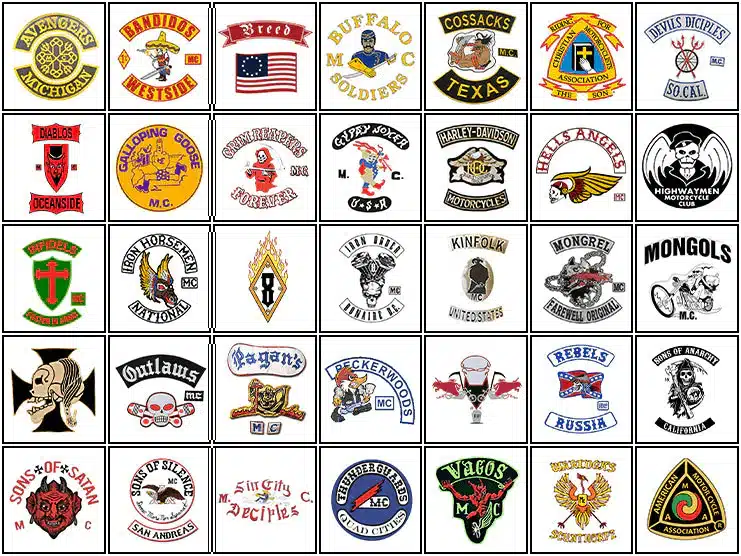
Overview of Motorcycle Clubs in the USA
Motorcycle clubs in the United States have a rich and varied history, evolving from informal groups of riders into structured organizations with distinct identities. The roots of these clubs can be traced back to the post-World War II era, where returning soldiers sought camaraderie and adventure on the open road.
The formation of clubs like the Hells Angels and the Outlaws in the late 1940s and early 1950s marked the beginning of an era characterized by the establishment of both lawful and outlaw motorcycle clubs.
Historical Context
The modern motorcycle club culture began in the 1940s, primarily influenced by World War II veterans. The first outlaw motorcycle club, the Hells Angels, was founded in 1948 in California, followed closely by others like the Outlaws, which began in 1935.
These clubs originally aimed to provide a sense of brotherhood and a community for riders, often engaging in organized rides and events. The infamous Hollister riot in 1947, which brought national attention to biker culture, further solidified the rebellious image of motorcycle clubs.
| Club Name | Year Founded | Notable Activities |
|---|---|---|
| Hells Angels | 1948 | Charity Rides, Community Events |
| Outlaws | 1935 | Rallies, Social Events |
| Bandidos | 1966 | Charity Drives, Community Support |
The table above highlights some of the most prominent motorcycle clubs in the U.S. The Hells Angels, founded in 1948, are perhaps the most recognized, known for their charity rides and community involvement despite their controversial reputation.
The Outlaws, established in 1935, emphasize camaraderie and social events, fostering a strong community among their members. The Bandidos, founded in 1966 in Texas, are also known for their charitable initiatives, demonstrating that many motorcycle clubs engage positively with their communities despite the stereotypes often attached to them.
Types of Motorcycle Clubs
Motorcycle clubs in the U.S. can be broadly categorized into three types: outlaw motorcycle clubs (OMGs), riding clubs, and support clubs.
OMGs, such as the Hells Angels and Outlaws, are known for their rebellious nature and strict membership rules. Riding clubs, like the American Motorcyclist Association (AMA), focus on promoting safe riding and community-building events.
Support clubs, such as the Black Pistons, often serve as affiliates to larger OMGs, helping them extend their reach and influence.
Cultural Significance
The cultural significance of motorcycle clubs extends beyond mere riding; they represent a way of life characterized by freedom, adventure, and community. Clubs often engage in charity work, advocate for motorcyclist rights, and organize events that bring together riders from diverse backgrounds.
This culture has influenced fashion, music, and media, portraying bikers as symbols of rebellion and independence. Understanding the multifaceted nature of these clubs helps to appreciate their impact on American society and the motorcycle community at large.
The American Motorcyclist Association (AMA)
The American Motorcyclist Association (AMA) is the largest and most recognized motorcycle organization in the United States. Established in 1924, the AMA focuses on promoting the motorcycle lifestyle, protecting the rights of motorcyclists, and ensuring the future of motorcycling through advocacy, education, and community involvement.
With over 200,000 members and thousands of affiliated clubs, the AMA plays a crucial role in shaping motorcycle culture in America.
Membership Benefits
Members of the AMA enjoy a range of benefits, including access to a vast network of motorcycle communities, discounts on motorcycle gear and services, and participation in exclusive events. The AMA also provides resources for rider education, safety programs, and legal assistance, ensuring that members are well-supported in their riding endeavors.
The association’s commitment to promoting safe and responsible motorcycling is evident through its various initiatives aimed at enhancing rider skills and awareness.
| Membership Type | Members | Annual Events |
|---|---|---|
| Individual Membership | 200,000+ | 2,000+ |
| Family Membership | Varies | 2,000+ |
| Business Membership | Varies | 2,000+ |
The table above displays the membership types within the AMA and their corresponding numbers. The AMA boasts over 200,000 individual members, showcasing its vast reach and influence in the motorcycle community.
Each membership type offers access to an array of events and resources that cater to the unique needs of individuals, families, and businesses involved in motorcycling. The high number of annual events, exceeding 2,000, indicates the AMA’s active role in fostering community engagement and promoting motorcycling as a lifestyle.
Advocacy and Rights
The AMA is at the forefront of advocating for motorcyclists’ rights, working diligently to protect and enhance the interests of riders across the country. This includes lobbying for legislation that promotes motorcycle safety, accessibility to public lands, and the protection of motorcyclists from discriminatory practices.
The association also provides members with resources to stay informed about relevant legal changes and safety guidelines.
Events and Activities
The AMA organizes numerous events throughout the year, including bike rallies, races, and charity rides. These gatherings serve as platforms for members to connect, share experiences, and promote the motorcycle lifestyle.
Events like the AMA Vintage Motorcycle Days and the AMA Hall of Fame induction ceremony celebrate the history and achievements of motorcycling, while also fostering camaraderie among riders. The AMA’s commitment to inclusivity is evident through its diverse range of events that cater to riders of all ages and skill levels.
Major Motorcycle Clubs and Their Impact
Several motorcycle clubs in the U.S. have gained prominence not only for their riding culture but also for their social impact.
While some clubs are known for their outlaw status, many contribute positively to their communities through charity work and advocacy. In this section, we will explore some of the most notable clubs and their identities, missions, and social contributions.
Hells Angels Motorcycle Club
Founded in 1948, the Hells Angels Motorcycle Club is perhaps the most infamous motorcycle club worldwide. Known for their rebellious spirit and distinctive “death’s head” logo, the Hells Angels have chapters across the globe.
Despite their controversial reputation, the club participates in numerous charitable events, including toy drives and fundraisers for various causes. Their motto emphasizes brotherhood and loyalty, fostering a strong sense of community among members.
Outlaws Motorcycle Club
Established in 1935, the Outlaws Motorcycle Club is one of the oldest clubs in America. Their motto, “God Forgives, Outlaws Don’t,” reflects their defiant nature.
With a significant presence in the Midwest, the Outlaws are known for their loyalty to one another and their love for Harley-Davidson motorcycles. Like the Hells Angels, they also engage in charitable activities, organizing events to support local communities and veterans.
Bandidos Motorcycle Club
The Bandidos Motorcycle Club, founded in 1966 in Texas, is another prominent club known for its Tex-Mex origins. With a large membership and chapters across the United States and internationally, the Bandidos have made headlines for both their notoriety and their charitable initiatives.
Their events often center around community support, raising funds for children’s hospitals and other local causes.
| Club Name | Members | Charitable Contributions |
|---|---|---|
| Hells Angels | 2,500+ | Over 100,000 toys donated since 1967 |
| Outlaws | 1,700+ | Annual Smoke Out rally supports veterans |
| Bandidos | 2,400+ | $50,000 raised for children’s hospitals in 2022 |
The table above highlights the membership sizes and charitable contributions of three major motorcycle clubs in the U.S. The Hells Angels, with over 2,500 members, have made substantial contributions to community welfare through their charity drives, while the Outlaws and Bandidos also engage actively in giving back to their communities.
This data underscores the importance of charity within motorcycle culture, demonstrating that many clubs operate beyond the stereotypes often associated with them and emphasize their roles as community pillars.
Outlaw Motorcycle Gangs (OMGs)
Outlaw motorcycle gangs (OMGs) are often portrayed negatively in media, but understanding their structure and activities provides insight into their complex nature. These groups often operate outside the law and are characterized by their strict membership guidelines and codes of conduct.
Despite their criminal associations, many members view themselves as a brotherhood dedicated to a lifestyle of freedom and nonconformity.
Characteristics of OMGs
Outlaw motorcycle gangs typically adhere to a strict hierarchy, with ranks such as president, vice president, and sergeant-at-arms defining their organizational structure. Members often wear distinctive patches that signify their affiliation and status within the club.
The “1%” patch is worn by clubs that identify as outlaw, signifying their rejection of the American Motorcyclist Association’s claim that 99% of motorcyclists are law-abiding. This sense of identity fosters loyalty and camaraderie among members, who often engage in activities that reinforce their outlaw status.
Major Outlaw Clubs
The Hells Angels, Outlaws, Bandidos, and Pagans are often referred to as the “Big Four” outlaw motorcycle gangs. Each of these clubs has a distinct identity and operational territory, with a history of rivalry and competition.
These gangs are often involved in organized crime, including drug trafficking and violent confrontations with rival clubs. Understanding their dynamics requires recognizing the challenges they pose to law enforcement and the impact they have on local communities.
| Club Name | Estimated Membership | Primary Criminal Activities |
|---|---|---|
| Hells Angels | 2,500+ | Drug trafficking, extortion |
| Outlaws | 1,700+ | Drug distribution, violence |
| Bandidos | 2,400+ | Drug smuggling, violence |
| Pagans | 200-250 | Drug distribution, violence |
The table above provides a snapshot of the estimated memberships and primary criminal activities associated with the major outlaw motorcycle gangs in the U.S. The Hells Angels and Bandidos stand out with their larger memberships and extensive criminal networks, primarily focused on drug-related offenses.
The Outlaws and Pagans, while smaller in membership, are similarly implicated in significant criminal activities. This data illustrates the serious nature of the threats posed by these gangs and the challenges faced by law enforcement in managing their activities.
Crime and Law Enforcement Challenges
Law enforcement agencies recognize the challenges posed by outlaw motorcycle gangs, which often engage in organized crime, including drug trafficking and violent crimes. These groups maintain a strong network of loyalty and secrecy, making it difficult for authorities to infiltrate.
The U.S. Department of Justice has classified several of these gangs as criminal enterprises, highlighting their involvement in illegal activities that threaten public safety.
Efforts to combat these organizations include targeted operations and partnerships with local law enforcement to disrupt their activities and reduce their impact on communities.
The Role of Motorcycle Clubs in Charity and Community Service
Despite the negative stereotypes often associated with motorcycle clubs, many organizations engage in extensive charitable work and community service. Clubs often organize charity rides and events to raise money for various causes, including children’s hospitals, veterans’ organizations, and local charities.
This commitment to giving back reflects a different side of motorcycle culture, emphasizing brotherhood and social responsibility.
Notable Charity Events
Many motorcycle clubs host annual charity events that attract riders from across the country. For example, the Hells Angels have been involved in toy drives for underprivileged children, collecting and distributing thousands of toys each year.
Similarly, the Bandidos organize events to raise funds for children’s hospitals, showcasing their dedication to community welfare. These events allow clubs to connect with their communities and demonstrate their commitment to positive social impact.
| Event Name | Club Involved | Funds Raised |
|---|---|---|
| Toys for Tots Drive | Hells Angels | 100,000+ toys since 1967 |
| El Presidente Run | Bandidos | $50,000 for children’s hospitals in 2022 |
| Annual Toy Run | Outlaws | Funds vary annually |
The table above illustrates the charitable contributions of major motorcycle clubs through their notable events. The Hells Angels’ long-standing commitment to the Toys for Tots drive highlights their significant impact on children’s welfare, while the Bandidos have made notable financial contributions to children’s hospitals.
The Outlaws similarly engage in charity, although their funds raised may vary yearly. This emphasis on community service illustrates that motorcycle clubs often dedicate themselves to causes beyond their reputations, fostering a sense of social responsibility among their members.
Community Outreach Programs
Many motorcycle clubs have established community outreach programs aimed at addressing local issues and providing support to those in need. For instance, the Bikers Against Child Abuse (BACA) is a well-known organization dedicated to supporting abused children, providing them with emotional and physical support through their experiences.
Other clubs may focus on veterans’ issues, mental health initiatives, or anti-violence campaigns, demonstrating a commitment to making a positive difference in their communities.
The Positive Image of Bikers
The image of motorcyclists has evolved over the years, with many clubs working to combat the negative stereotypes associated with bikers. Through their charitable events and community service, motorcycle clubs aim to highlight their positive contributions and foster a better understanding of their culture.
By showcasing their dedication to philanthropy and social responsibility, they seek to change the narrative surrounding motorcycle clubs and promote a more inclusive and supportive image of the biker community.
The Culture of Brotherhood and Loyalty
At the heart of motorcycle clubs lies a deep-rooted culture of brotherhood and loyalty. These values are fundamental to the identity of clubs, shaping their dynamics and the relationships among members.
The bonds formed within clubs often extend beyond shared interests in motorcycling, creating a sense of family among riders who support one another through various challenges.
Hierarchies within Clubs
Motorcycle clubs typically operate under a hierarchical structure, with various ranks that define members’ roles and responsibilities. Common positions include president, vice president, secretary, treasurer, and sergeant-at-arms.
This organizational framework helps maintain order within the club and ensures that decisions are made collectively. The hierarchy reinforces the club’s values of respect and loyalty, as members are expected to adhere to the rules and support their leaders.
Patching Process and Symbols
The process of becoming a full member of a motorcycle club often involves a “prospecting” period during which the individual must demonstrate loyalty and commitment. Prospects typically wear a different patch that signifies their status, such as a “prospect” patch, until they are voted in as full members.
Once accepted, they receive a full patch, which often includes the club’s colors and logo. This patching process is a significant ritual in the motorcycle community, symbolizing acceptance and belonging.
Rituals and Traditions
Motorcycle clubs are steeped in traditions and rituals that reinforce their culture of brotherhood. These may include club meetings, group rides, and social gatherings, all aimed at strengthening the bonds among members.
Events such as initiation ceremonies for new members or celebrations of milestones—like anniversaries—serve to commemorate the club’s history and foster a sense of unity. The rituals reflect the club’s values and commitment to preserving their identity.
Women in Motorcycle Clubs
The role of women within motorcycle clubs has evolved significantly over the years. While some traditional clubs have been male-dominated, many women now actively participate in motorcycle culture, both in mixed-gender clubs and in women-specific organizations.
This shift reflects broader societal changes regarding gender roles and inclusivity within the biking community.
Women’s Motorcycle Clubs
Women-specific motorcycle clubs, such as Women in the Wind, have gained popularity and visibility, providing a space for female riders to connect and share their passion for motorcycling. These clubs often advocate for women’s rights and promote safe riding practices, empowering women in a traditionally male-dominated environment.
Their presence challenges stereotypes and promotes inclusivity within the motorcycle community.
Gender Dynamics in Traditional Clubs
In traditional motorcycle clubs, women have often been relegated to supporting roles or viewed as “property” of male members. However, this perception is changing, with more women gaining respect and recognition within these clubs.
Some women have even risen to leadership positions, influencing the club’s direction and culture. This evolution reflects a growing acknowledgment of women’s contributions to motorcycle culture and the importance of gender equality within the community.
Impact on the Biker Community
The increasing involvement of women in motorcycle clubs has had a positive impact on the biker community as a whole. Their contributions to charity events, advocacy for safer riding, and promotion of camaraderie have enriched the culture, bringing fresh perspectives and fostering inclusivity.
As women continue to break barriers within the motorcycle world, they pave the way for future generations of female riders, ensuring that the biker community remains diverse and vibrant.
Common Misconceptions About Motorcycle Clubs
Motorcycle clubs are often misunderstood, leading to a range of misconceptions about their culture and activities. Many of these stereotypes stem from media portrayals and sensationalized narratives that fail to capture the reality of the motorcycle community.
By addressing these misconceptions, we can gain a more nuanced understanding of what motorcycle clubs represent.
Media Portrayals
Media representations of motorcycle clubs frequently emphasize the criminal aspects associated with certain groups, overshadowing the positive contributions made by many organizations. Films and television shows often depict bikers as dangerous outlaws, perpetuating a narrative that overlooks the charitable work and community service that numerous clubs engage in.
This skewed portrayal can lead to stigmatization and misunderstanding of the broader motorcycle culture.
Reality vs. Fiction
While it is true that some motorcycle clubs engage in criminal activities, the vast majority are law-abiding organizations focused on camaraderie, charity, and advocacy. According to the American Motorcyclist Association (AMA), approximately 99% of motorcyclists are responsible, law-abiding citizens.
Many clubs prioritize safety, community engagement, and support for fellow riders, contributing positively to society.
The Truth About Biker Culture
Biker culture is rooted in freedom, adventure, and a sense of belonging. Many motorcycle clubs foster lifelong friendships and support networks, creating a community that values loyalty and brotherhood.
Understanding the diversity within motorcycle clubs and recognizing that they encompass a wide range of values and missions is essential for dispelling misconceptions and appreciating the richness of biker culture.
Joining a Motorcycle Club: What to Expect
For those interested in becoming part of a motorcycle club, it is essential to understand the process and what is expected from potential members. Joining a club involves more than just owning a motorcycle; it requires commitment, respect, and a willingness to embrace the club’s culture and values.
Steps to Join a Club
The first step to joining a motorcycle club typically involves researching local clubs that align with one’s interests and values. Attending open rides or events allows potential members to meet club members and gain insight into their culture.
After expressing interest, individuals may enter a prospecting phase, where they demonstrate their commitment and fit within the club.
Expectations of New Members
New members, often referred to as “prospects,” are expected to uphold the club’s values and participate in events, rides, and community service. This may involve performing tasks for full members, attending meetings, and engaging with the club’s activities.
The prospecting period serves as a time for the individual to learn about the club, build relationships, and prove their loyalty.
Club Etiquette
Understanding and adhering to club etiquette is crucial for new members. This includes respecting the hierarchy, following the club’s rules, and honoring the bonds of brotherhood.
Showing up for events, supporting fellow members, and communicating openly are essential aspects of club life. By embracing these principles, new members can foster strong relationships and integrate into the motorcycle community.
FAQs on Motorcycle Clubs in the USA
What are the most notorious motorcycle clubs in the USA?
Some of the most notorious motorcycle clubs in the USA include the Hells Angels, Outlaws, Bandidos, and Pagans. These clubs are often referred to as the “Big Four” outlaw motorcycle gangs (OMGs) and are known for their involvement in criminal activities, including drug trafficking and violent confrontations with rival clubs.
Despite their reputations, many members emphasize loyalty and brotherhood, contributing positively to their communities through charity and advocacy efforts.
How do motorcycle clubs differ from riding clubs?
Motorcycle clubs (MCs) are typically more structured and formal, often adhering to strict rules and hierarchies, whereas riding clubs focus on the enjoyment of riding without the same level of formality. MCs often have a distinct identity and may engage in organized crime, while riding clubs prioritize social riding and community activities.
The American Motorcyclist Association (AMA) exemplifies a riding club that promotes a positive image of motorcycling through advocacy and events.
Can women join outlaw motorcycle clubs?
While traditional outlaw motorcycle clubs have often been male-dominated, the role of women within these clubs has evolved. Some clubs now accept women as full members, while others may have specific chapters or organizations for female riders, such as Women in the Wind.
However, in many outlaw clubs, women are still viewed in supportive roles or as “property” of male members. This dynamic is changing as more women assert their presence and influence within the motorcycle community.
What is the significance of the 1% patch?
The “1% patch” is worn by members of outlaw motorcycle clubs to signify their identity as outlaws, distinguishing them from the 99% of motorcyclists who are law-abiding citizens. This designation originated from a statement made by the American Motorcyclist Association (AMA) in the 1960s, suggesting that 99% of motorcyclists adhere to the law.
The patch symbolizes the club’s rejection of mainstream motorcycle culture and their commitment to a lifestyle of freedom and nonconformity.
Are all motorcycle clubs involved in illegal activities?
No, not all motorcycle clubs are involved in illegal activities. While some clubs have gained notoriety for their criminal associations, the majority of motorcycle clubs focus on positive community engagement, charity work, and rider advocacy.
Organizations like the American Motorcyclist Association (AMA) promote safe riding and serve as a platform for responsible motorcyclists. Understanding the diversity within motorcycle clubs is essential to appreciating their varied missions and contributions.
How can I find a motorcycle club near me?
To find a motorcycle club near you, consider researching local clubs through online forums, social media, or community events. Many clubs host open rides and gatherings, providing opportunities for potential members to meet and connect.
The American Motorcyclist Association (AMA) offers a directory of affiliated clubs, which can also help you locate a group that aligns with your interests and values. Engaging with local riders can lead to discovering the right club for you.
What are the benefits of joining a motorcycle club?
Joining a motorcycle club offers numerous benefits, including access to a supportive community of like-minded individuals, opportunities for social riding and events, and resources for rider education and safety. Members often enjoy discounts on gear and services, as well as participation in charity events that contribute to local causes.
The sense of camaraderie and shared passion for motorcycling creates lasting friendships and a sense of belonging within the biker community.
Can I join a motorcycle club without owning a motorcycle?
Most motorcycle clubs require members to own and ride a motorcycle as a fundamental aspect of their identity. However, some clubs may have provisions for individuals who are in the process of acquiring a motorcycle or those who wish to support the club in other ways.
It’s essential to check with specific clubs regarding their membership requirements and whether exceptions can be made for prospective members without a motorcycle.
What does it mean to be a “prospect” in a motorcycle club?
A “prospect” is an individual in the trial phase of membership within a motorcycle club. During this time, the prospect is expected to demonstrate loyalty and commitment to the club’s values, actively participating in events and activities.
Prospects typically wear a patch that signifies their status and must earn their full membership through a voting process by existing members. This period serves as an opportunity for the prospect to integrate into the club and build relationships with members.
How do motorcycle clubs contribute to their communities?
Many motorcycle clubs engage in charitable activities and community service, organizing events such as charity rides, fundraisers, and outreach programs. These initiatives often support local causes, including children’s hospitals, veterans’ organizations, and anti-violence campaigns.
By fostering a positive image and actively contributing to social welfare, motorcycle clubs help dispel negative stereotypes and demonstrate their commitment to making a meaningful impact in their communities.
Conclusion
Motorcycle clubs are a captivating aspect of American culture, embodying values of brotherhood, loyalty, and freedom. While some clubs have garnered negative attention due to their criminal associations, many actively contribute positively to their communities through charity and advocacy.
The unique culture of camaraderie and shared passion for riding offers members a sense of belonging and purpose, making motorcycle clubs a fascinating and complex part of society. As we continue to explore and understand these organizations, it becomes clear that they are more than just groups of riders; they are communities dedicated to making a difference.