
Motorcycle culture in Virginia is rich and diverse, drawing enthusiasts from all walks of life to its winding roads and scenic landscapes. From the majestic Blue Ridge Parkway to the historical routes of the Civil War, Virginia offers some of the most picturesque rides in the country.
The state’s motorcycle clubs reflect this diversity, ranging from community-focused organizations to outlaw groups, each with its unique ethos and mission. These clubs are pivotal in fostering camaraderie among riders, promoting safe riding practices, and enhancing community engagement through various charitable activities.
This article serves as a comprehensive guide to motorcycle clubs in Virginia, providing insights into notable organizations, their contributions to the community, and the nuances of engaging with this vibrant culture. Readers will discover the significance of motorcycle clubs in Virginia, along with practical tips for safely integrating into the motorcycle community.
Overview of Motorcycle Culture in Virginia
Virginia’s motorcycle culture is steeped in history, with roots that trace back to the post-World War II era when returning veterans sought camaraderie and adventure. The state has seen significant growth in motorcycle ownership over the decades, with a mix of both cruiser enthusiasts and sportbike riders.
The natural beauty of Virginia, coupled with its historical significance, has made it a prime destination for motorcycle enthusiasts.
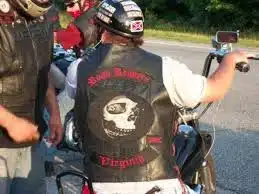
Historical Significance
The motorcycle culture in Virginia has evolved significantly since the establishment of the first motorcycle clubs in the mid-20th century. The state has seen various waves of motorcycle popularity, particularly post-war, when many servicemen returned with a desire for freedom and adventure.
This historical backdrop has fostered a culture that values community, freedom, and the thrill of the ride.
Scenic Routes and Attractions
Virginia boasts some of the most stunning motorcycle routes in the United States, including the Blue Ridge Parkway, Skyline Drive, and the historic roads leading to places like Jamestown and various Civil War battlefields. These scenic routes are not just about the destination; they embody the spirit of exploration that defines Virginia’s motorcycle culture.
Riders can enjoy vibrant landscapes, charming small towns, and numerous attractions along their journeys.
The Role of Events in Biker Culture
Events and rallies play a crucial role in fostering the motorcycle community in Virginia. Annual gatherings, charity rides, and local bike nights provide opportunities for riders to connect, share experiences, and build friendships.
These events often focus on community service, promoting motorcycle safety, and celebrating the joy of riding, which strengthens the bonds among members of various clubs.
Notable Motorcycle Clubs in Virginia
Virginia is home to a variety of motorcycle clubs, each contributing uniquely to the community and culture. Here are some of the most notable clubs in the state:
| Club Name | Founded | Focus | Notable Activities |
|---|---|---|---|
| Pagan’s Motorcycle Club | 1959 | Outlaw | Charity work, community rides |
| Buffalo Soldiers Motorcycle Club | 2000 | Community service | Education, mentorship, charity events |
| Sons of Dominion Motorcycle Club | 2008 | Traditional | Brotherhood, community support |
This table illustrates the diversity of motorcycle clubs in Virginia, highlighting their founding dates, focus areas, and notable activities. The Pagan’s Motorcycle Club, recognized as an outlaw club, engages in both charity work and community rides, showcasing a commitment to both the riding community and broader social issues.
In contrast, the Buffalo Soldiers Motorcycle Club emphasizes community service and education, paying homage to the legacy of African American military contributions. The Sons of Dominion Motorcycle Club embodies traditional values, focusing on brotherhood and community support.
Types of Motorcycle Clubs
Motorcycle clubs in Virginia can be broadly categorized into three main types: outlaw motorcycle clubs, riding and social clubs, and charity organizations. Each type serves different purposes and appeals to various rider demographics.
Outlaw Motorcycle Clubs
Outlaw motorcycle clubs, often referred to as “one-percenters,” are known for their rebellious image and strict codes of conduct. The Pagan’s Motorcycle Club is one such example, characterized by its history and affiliation with various criminal activities, though many members also participate in community service.
Riding and Social Clubs
Riding and social clubs focus primarily on the enjoyment of motorcycling and social interaction among members. Clubs like the Richmond Riders Motorcycle Club emphasize motorcycle safety and education while supporting community initiatives.
These clubs often organize group rides and social events to build camaraderie among members.
Charity Organizations
Charity organizations leverage the passion of motorcyclists to give back to the community. Clubs such as the Buffalo Soldiers Motorcycle Club prioritize charitable activities, including educational initiatives and community outreach programs.
Their focus on mentorship and service helps foster a positive image of motorcyclists in the public eye.
| Type of Club | Description | Examples |
|---|---|---|
| Outlaw Motorcycle Clubs | Clubs known for a rebellious image and strict codes of conduct. | Pagan’s Motorcycle Club |
| Riding and Social Clubs | Clubs focusing on the enjoyment of riding and social interaction. | Richmond Riders Motorcycle Club |
| Charity Organizations | Clubs that engage in charitable activities and community service. | Buffalo Soldiers Motorcycle Club |
The table above summarizes the different types of motorcycle clubs found in Virginia. Outlaw motorcycle clubs are often seen as the most controversial due to their affiliations and activities, yet they also contribute to the community through various charitable efforts.
Riding and social clubs offer an inclusive environment for those who enjoy motorcycling as a hobby and wish to socialize with like-minded individuals. Finally, charity organizations play a pivotal role in uplifting the community, demonstrating how motorcyclists can positively impact society through service and outreach.
Engaging with Motorcycle Clubs
For those interested in joining a motorcycle club in Virginia, understanding the engagement process is crucial. Here’s a guide on how to approach membership, club etiquette, and safety considerations when riding with clubs.
Prospecting and Membership
Most motorcycle clubs require a prospecting period before full membership is granted. This period allows potential members to understand the club’s culture and values while building relationships with existing members.
Clubs often look for individuals who demonstrate commitment, respect, and a passion for riding.
Club Etiquette
Understanding club etiquette is essential for prospective members. This includes respecting club colors, acknowledging hierarchy, and participating in club events.
Proper etiquette fosters a positive atmosphere and strengthens bonds among members.
Safety Tips When Riding with Clubs
Safety is paramount when riding with any motorcycle club. Always wear proper safety gear, maintain your motorcycle, and follow the club’s riding protocols.
It’s also important to communicate effectively with fellow riders, especially during group rides, to ensure everyone’s safety on the road.
| Aspect | Description |
|---|---|
| Prospecting Period | A trial period for potential members to integrate and learn about the club. |
| Club Etiquette | Understanding and respecting the customs and traditions of the club. |
| Safety Practices | Wearing safety gear and following established riding protocols. |
The table above outlines key aspects of engaging with motorcycle clubs in Virginia. The prospecting period is designed to evaluate the compatibility of potential members with the club’s culture, while club etiquette ensures that the respect and hierarchy within the group are maintained.
Safety practices are vital for protecting all riders during group activities, emphasizing the importance of preparation and communication.
Events and Rallies in Virginia
Virginia hosts a variety of motorcycle events and rallies throughout the year, providing opportunities for riders to come together, celebrate their passion, and contribute to charitable causes.
Annual Rallies
Events like the Virginia Motorcycle Rally and the Blue Ridge Motorcycle Gathering attract riders from across the region. These rallies often feature live music, food vendors, and motorcycle shows, creating a vibrant atmosphere for enthusiasts.
Charity Events
Many motorcycle clubs in Virginia organize charity events, such as rides to benefit local hospitals, food drives, and fundraising for educational scholarships. These events not only raise funds but also promote a positive image of motorcyclists within the community.
Local Bike Nights
Local bike nights are informal gatherings where riders can socialize, share stories, and enjoy the camaraderie of fellow motorcyclists. These events often take place at local bars and restaurants, offering a relaxed environment for bonding over shared interests.
| Event Type | Description |
|---|---|
| Annual Rallies | Large gatherings featuring entertainment, vendors, and motorcycle shows. |
| Charity Events | Fundraising rides and events supporting local causes. |
| Local Bike Nights | Informal gatherings for riders to socialize and connect. |
This table summarizes the various types of motorcycle events held in Virginia. Annual rallies serve as major attractions, fostering community spirit and showcasing the motorcycle culture.
Charity events highlight the altruistic side of motorcycling, reinforcing the idea that bikers can be deeply engaged in their communities. Local bike nights provide an accessible way for riders to meet and share their passion, creating a grassroots network of motorcycle enthusiasts.
Community Contributions of Motorcycle Clubs
Motorcycle clubs in Virginia are not just about riding; they play a significant role in community service and charitable efforts. Here’s how they contribute positively to their communities.
Education and Scholarships
Many clubs, such as the Buffalo Soldiers Motorcycle Club, offer scholarships to high school seniors, promoting educational opportunities for underprivileged youth. These initiatives help foster a culture of learning and support within the community.
Supporting Local Charities
Clubs frequently partner with local charities, contributing time, resources, and funds to assist those in need. This includes food drives, clothing donations, and fundraising efforts for various causes, demonstrating the clubs’ commitment to community welfare.
Mentorship Programs
Clubs often engage in mentorship programs for young riders and community youth, educating them on motorcycle safety, the importance of community involvement, and positive life skills. This proactive approach nurtures the next generation of motorcyclists.
| Contribution Type | Description |
|---|---|
| Education and Scholarships | Providing financial support for students in need. |
| Supporting Local Charities | Collaborating with charities to provide assistance and resources. |
| Mentorship Programs | Guiding youth in motorcycle safety and community values. |
The table above outlines the various ways motorcycle clubs contribute to their communities. Educational scholarships empower students, while partnerships with local charities demonstrate the clubs’ commitment to societal well-being.
Mentorship programs play a crucial role in shaping the values of young riders, ensuring the continuation of positive traditions within the motorcycle community.
Challenges Faced by Motorcycle Clubs
Despite their positive contributions, motorcycle clubs in Virginia face various challenges, including societal perceptions and legal issues.
Stereotypes and Misconceptions
Motorcycle clubs often contend with negative stereotypes, particularly those labeled as outlaw organizations. These misconceptions can hinder the clubs’ efforts to engage positively with the community and can affect their public image.
Legal Regulations
Clubs must navigate a complex landscape of legal regulations that can affect their operations. This includes compliance with local laws regarding gatherings and events, which can sometimes impose restrictions on their activities.
Inter-Club Rivalries
While many clubs promote camaraderie, rivalries between different motorcycle clubs can lead to tension. These conflicts can stem from territorial disputes or ideological differences, which can create challenges for fostering a united motorcycle community.
| Challenge | Description |
|---|---|
| Stereotypes and Misconceptions | Negative perceptions hinder community engagement. |
| Legal Regulations | Compliance with laws can restrict club activities. |
| Inter-Club Rivalries | Tensions can arise between different clubs. |
This table highlights some of the challenges faced by motorcycle clubs in Virginia. Stereotypes can significantly impact public perception, making it essential for clubs to actively counteract these narratives.
Legal regulations can pose logistical hurdles, affecting how clubs organize events and engage with the community. Inter-club rivalries, while sometimes part of motorcycle culture, can also detract from the overall unity and positive impact that clubs strive to achieve.
The Future of Motorcycle Clubs in Virginia
As motorcycle culture continues to evolve, clubs in Virginia face both challenges and opportunities for growth.
Embracing Diversity in Membership
Clubs are increasingly embracing diversity in their membership, welcoming riders from all backgrounds. This inclusivity not only enriches the club experience but also fosters a broader community spirit, making motorcycle culture more accessible.
Technological Impacts on Riding
Advancements in technology, such as improved safety gear and navigation tools, are enhancing the riding experience. Clubs are adapting to these changes, incorporating new technologies into their practices to ensure safer and more enjoyable rides.
The Evolution of Club Culture
The culture of motorcycle clubs is evolving, with an increasing emphasis on community service and social responsibility. Clubs are recognizing the importance of their public image and are actively working to present a positive narrative that highlights their contributions to society.
| Future Aspect | Description |
|---|---|
| Diversity in Membership | Clubs are becoming more inclusive, welcoming diverse riders. |
| Technological Impacts | Advancements improve riding safety and enjoyment. |
| Evolution of Club Culture | Increased focus on community service and public image. |
The table above summarizes the future aspects of motorcycle clubs in Virginia. The move towards diversity in membership is crucial for fostering a more inclusive environment, while technological advancements promise to enhance safety and riding experiences.
The evolution of club culture reflects a growing awareness of the importance of community engagement, paving the way for a positive transformation in how motorcycle clubs are perceived and how they operate within society.
FAQs about Motorcycle Clubs in Virginia
What are the main types of motorcycle clubs in Virginia?
In Virginia, motorcycle clubs can be categorized into three main types: outlaw motorcycle clubs, riding and social clubs, and charity organizations. Outlaw clubs, such as the Pagan’s Motorcycle Club, are known for their rebellious image and strict codes of conduct.
Riding and social clubs focus on the enjoyment of riding and often engage in community activities. Charity organizations leverage the passion of motorcycling to support local causes through fundraising and outreach initiatives.
How can I join a motorcycle club in Virginia?
Joining a motorcycle club in Virginia typically involves a prospecting period where potential members can integrate into the club’s culture and demonstrate commitment. Interested individuals should attend club events, ride with members, and build relationships.
Many clubs require prospects to adhere to specific protocols and demonstrate respect for club customs before being granted full membership.
Are there any risks associated with joining an outlaw motorcycle club?
Joining an outlaw motorcycle club can carry certain risks, including potential involvement in illegal activities and negative societal perceptions. Members may face scrutiny from law enforcement and the public due to the club’s reputation.
It’s essential for individuals to understand the club’s culture, expectations, and the legal implications of membership before joining.
What kind of events do motorcycle clubs organize?
Motorcycle clubs organize a variety of events, including annual rallies, charity rides, and local bike nights. These events serve to strengthen community bonds, promote safe riding practices, and raise funds for charitable causes.
They provide opportunities for riders to connect, share experiences, and celebrate their passion for motorcycling.
How do motorcycle clubs contribute to their communities?
Motorcycle clubs in Virginia contribute to their communities through various initiatives, such as educational scholarships, supporting local charities, and engaging in mentorship programs. Many clubs actively participate in fundraising events and outreach efforts to assist those in need, demonstrating a commitment to social responsibility and community welfare.
Conclusion
Motorcycle clubs play a vital role in Virginia’s culture, offering riders a sense of belonging while contributing positively to their communities. From fostering camaraderie among members to engaging in charitable activities, these clubs exemplify the spirit of motorcycling.
As the culture continues to evolve, embracing diversity and community engagement will be pivotal in shaping the future of motorcycle clubs in Virginia. Readers are encouraged to explore local clubs, participate in events, and appreciate the bonds forged through the love of riding.
Safety and respect remain paramount as riders navigate this vibrant community.