
In this article, we will explore Motorcycle Exhaust Leak Symptoms, which can significantly affect a motorcycle’s performance and safety. Exhaust leaks can lead to increased noise, decreased power, and potential health risks from harmful emissions.
Understanding these symptoms is crucial for riders who want to maintain their motorcycles in optimal condition. We will define what an exhaust leak is, discuss its causes, and provide detailed descriptions of the most common symptoms.
Additionally, we will offer insights into diagnosing and fixing these leaks, ensuring riders are equipped with the knowledge necessary for effective motorcycle maintenance.
What Causes Motorcycle Exhaust Leaks?
Exhaust leaks in motorcycles can arise from various issues that often develop over time. Recognizing the common causes can help riders take preventive measures and address potential problems early.
The primary causes of exhaust leaks include worn gaskets, rust and corrosion, and loose connections.
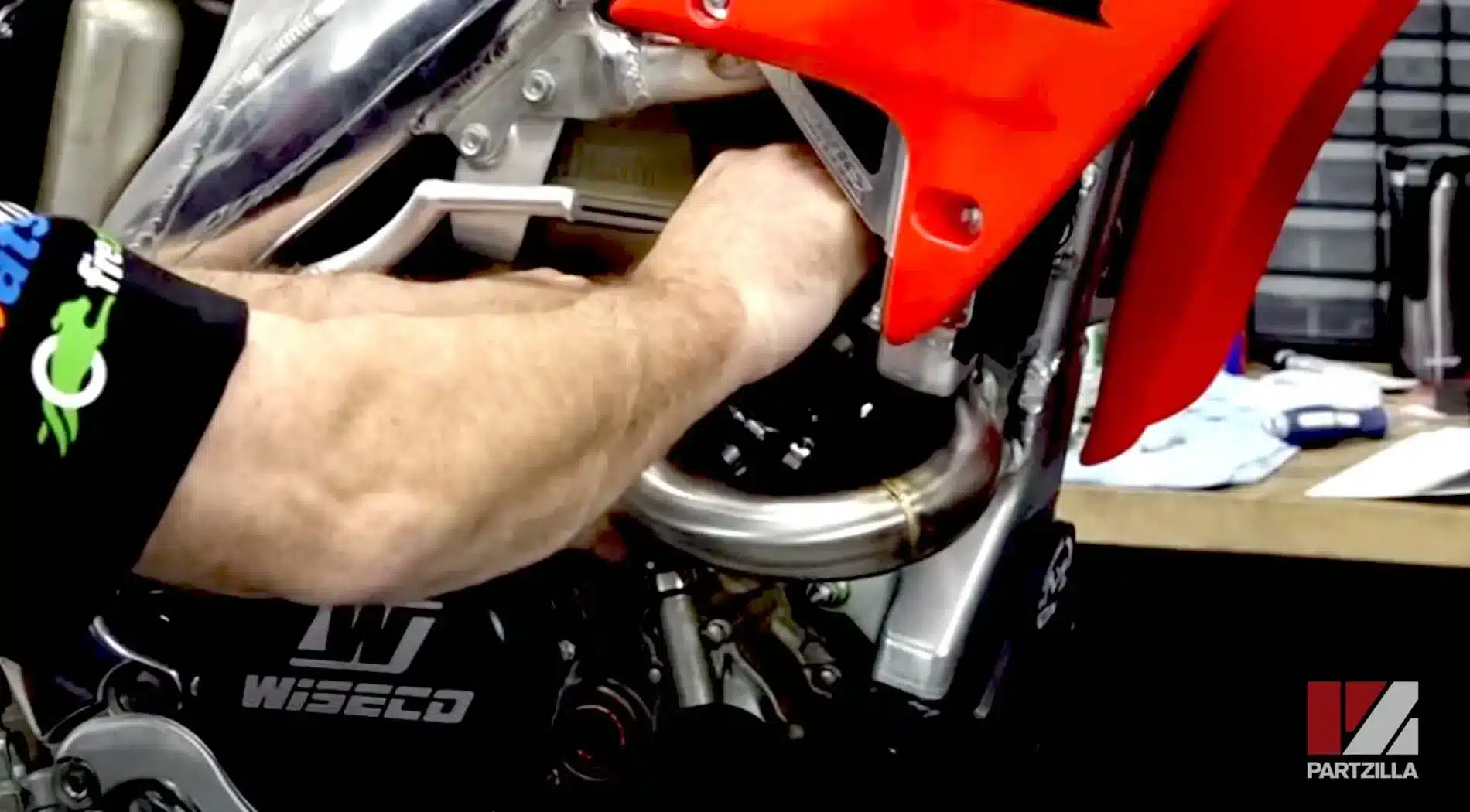
Worn Gaskets
Gaskets are integral components that seal connections between exhaust system parts. Over time, exposure to high temperatures and vibrations can lead to deterioration, causing leaks.
A study indicated that many motorcycle models suffer from gasket wear, particularly those frequently subjected to harsh riding conditions.
Rust and Corrosion
Rust and corrosion can weaken exhaust pipes and joints, creating openings for exhaust gases to escape. This is especially common in motorcycles that are often exposed to moisture or road salt.
Regular inspections can help identify rust before it leads to significant leaks. Research suggests that the incidence of rust-related exhaust issues increases in older motorcycle models.
Loose Connections
Over time, bolts and clamps that secure the exhaust system can loosen due to vibrations. This can lead to gaps where gases can escape.
Tightening these connections is crucial for preventing leaks. Statistics show that improper installation of exhaust systems is a frequent contributor to loose connections, leading to performance issues.
| Cause | Description | Common Models Affected |
|---|---|---|
| Worn Gaskets | Degradation of seals due to heat and wear | Various models, especially older ones |
| Rust and Corrosion | Weakening of parts due to moisture exposure | Older models and those in humid conditions |
| Loose Connections | Vibrations cause bolts to loosen over time | Any motorcycle with exhaust systems |
The table above illustrates the primary causes of motorcycle exhaust leaks along with their descriptions and common models affected. Notably, worn gaskets are a prevalent issue due to their constant exposure to extreme conditions.
Rust can be particularly damaging, leading to severe structural integrity problems in older motorcycles. Loose connections, while often manageable, can lead to performance issues if not addressed promptly.
Common Symptoms of Exhaust Leaks
Understanding the symptoms of exhaust leaks is crucial for effective diagnosis and repair. Riders should be aware of the following key symptoms that indicate a potential exhaust leak.
Increased Engine Noise
One of the most noticeable signs of an exhaust leak is an increase in engine noise. Riders may hear loud rumbles, hissing, or popping sounds, especially during acceleration.
These noises occur due to the escape of exhaust gases in unintended areas, often leading to a loud and aggressive sound that can be alarming.
Loss of Acceleration
Exhaust leaks can significantly affect a motorcycle’s performance. Riders may experience a noticeable loss of power when trying to accelerate.
This occurs because the leak disrupts the back pressure necessary for optimal engine performance. Many riders have reported feeling a lack of responsiveness in their throttles when exhaust leaks are present.
Gas Smell
A distinct gas smell while riding can indicate exhaust leakage. This is particularly concerning as it signifies harmful emissions entering the rider’s environment.
Prolonged exposure to these gases can pose serious health risks. Riders should be vigilant in identifying any unusual smells that may indicate a leak.
| Symptom | Description | Severity Level |
|---|---|---|
| Increased Engine Noise | Loud rumbling or hissing sounds | High |
| Loss of Acceleration | Reduced power during acceleration | Medium |
| Gas Smell | Presence of gasoline odors | High |
The table above summarizes the common symptoms of exhaust leaks, providing a clear understanding of their implications. Increased engine noise is a high-severity symptom that can be easily noticed by riders.
Loss of acceleration, while concerning, presents a medium severity level, indicating performance issues that may not be immediately apparent. The presence of gas odors is a critical symptom that should prompt immediate attention due to health risks.
Diagnosing Exhaust Leaks: Visual and Auditory Cues
Diagnosing exhaust leaks effectively combines visual inspections and auditory cues. Riders can identify issues early before they escalate into more severe problems.
Here are some practical methods for diagnosing exhaust leaks.
Visual Inspection Techniques
A thorough visual inspection involves looking for signs of wear and damage in the exhaust system. Riders should check connections, gaskets, and pipes for rust, cracks, or carbon buildup.
Common signs include black soot around connections, indicating escaping gases. Regular checks can help catch issues early.
Listening for Unusual Noises
Listening closely while the engine runs can reveal telltale signs of exhaust leaks. Riders should be alert for hissing or popping sounds that deviate from the normal engine hum.
These noises often indicate escaping gases, and identifying them can lead to timely repairs.
Using Tools for Diagnosis
Tools like smoke machines can help identify exhaust leaks more accurately. By introducing smoke into the exhaust system, any leaks will be revealed as the smoke escapes from the leak points.
This method is particularly useful for finding hard-to-detect leaks that may not be visible to the naked eye.
| Method | Description | Effectiveness |
|---|---|---|
| Visual Inspection | Inspecting exhaust components for damage | Moderate |
| Listening | Identifying unusual sounds during operation | High |
| Smoke Testing | Introducing smoke to find leaks | Very High |
The diagnostic methods table highlights the various techniques for identifying exhaust leaks. Visual inspections are moderate in effectiveness, as they depend on the rider’s ability to detect issues.
Listening for unusual sounds is highly effective, allowing for quick recognition of problems. Smoke testing stands out as the most reliable method, offering a clear visual indication of leaks that may otherwise go unnoticed.
Advanced Diagnostic Methods
For more challenging cases of exhaust leaks, advanced diagnostic methods can provide deeper insights. Techniques such as smoke testing and pressure testing are invaluable for accurate detection.
Smoke Testing
Smoke testing is a widely used technique that involves introducing smoke into the exhaust system. This method allows for easy identification of leaks, as smoke will escape from any gaps or cracks.
It is particularly effective in detecting minor leaks that may not be noticeable during visual inspections.
Pressure Testing
Pressure testing involves applying pressure to the exhaust system to check for leaks. This method is effective in identifying leaks in hard-to-reach areas.
It requires specialized equipment but can yield accurate results for diagnosing complex exhaust systems.
Professional Diagnostic Tools
Professional mechanics often use advanced diagnostic tools to identify exhaust leaks. Tools such as electronic leak detectors can provide precise measurements and pinpoint locations of leaks.
Investing in professional diagnostics can save riders time and money in the long run by addressing issues before they escalate.
| Method | Pros | Cons |
|---|---|---|
| Smoke Testing | Highly effective, visual confirmation of leaks | Requires specialized equipment |
| Pressure Testing | Accurate detection of leaks | May require professional assistance |
| Electronic Leak Detectors | Precise measurements, easy to use | Can be expensive |
The table above summarizes the pros and cons of advanced diagnostic methods. Smoke testing is celebrated for its effectiveness but requires investment in equipment.
Pressure testing is accurate, yet may necessitate professional help. Electronic leak detectors provide precision but can be costly.
Riders should weigh these factors when choosing a diagnostic method that best suits their needs.
Fixing Exhaust Leaks: DIY Solutions
Riders can address many exhaust leaks through DIY solutions. Understanding how to perform these repairs can save time and money while ensuring optimal motorcycle performance.
Replacing Gaskets
One of the most common repairs involves replacing worn gaskets. To do this, riders should start by disassembling the affected area, removing the old gasket, and cleaning the mating surfaces.
Installing a new gasket correctly is crucial for ensuring a tight seal and preventing future leaks.
Using Sealants
For minor cracks or leaks, sealants can provide a temporary solution. High-temperature sealants are available specifically for exhaust systems and can effectively seal small gaps.
However, sealants should not be considered a permanent fix, and riders should plan for more comprehensive repairs.
Repairing Pipes
If the exhaust pipes are damaged, they may need repairs or replacement. Minor cracks can be patched using high-temperature epoxy or exhaust repair tape, while severe damage may require complete pipe replacement.
Regular inspections can help identify potential issues before they require extensive repairs.
| Repair Method | Description | Estimated Cost |
|---|---|---|
| Replacing Gaskets | Removing and installing new gaskets | $20 – $50 |
| Using Sealants | Applying high-temperature sealants to gaps | $10 – $30 |
| Repairing Pipes | Patching or replacing damaged exhaust pipes | $50 – $200 |
The table above outlines various DIY repair methods for exhaust leaks, including their descriptions and estimated costs. Replacing gaskets is a straightforward repair that is usually affordable.
Sealants provide a quick fix for minor leaks at a low cost. However, repairing exhaust pipes can become expensive, particularly if significant damage is present.
Riders should consider their skill level and the severity of the leak when deciding on a repair method.
When to Seek Professional Help
While many exhaust leaks can be addressed through DIY solutions, certain situations warrant professional assistance. Understanding when to seek expert help can prevent further damage and ensure rider safety.
Signs of Major Damage
If riders notice significant structural damage to exhaust pipes or components, seeking professional help is essential. Major damage can lead to severe performance issues and safety concerns, making it vital to consult a mechanic for repairs.
Complications from Ignoring Leaks
Ignoring exhaust leaks can result in complications such as decreased engine performance, increased fuel consumption, and even harmful emissions entering the rider’s environment. If symptoms worsen or persist despite DIY efforts, it is time to consult a professional.

Finding a Reliable Mechanic
When seeking professional help, finding a reliable mechanic is crucial. Riders should look for certified technicians with experience in motorcycle repairs, particularly exhaust systems.
Reading reviews and asking for recommendations can help ensure quality service.
| Situation | Action |
|---|---|
| Major Damage | Consult a professional mechanic |
| Persistent Symptoms | Seek expert diagnosis and repair |
| Complicated Repairs | Consider professional assistance |
The table above provides guidance on situations that warrant seeking professional help for exhaust leaks. Major damage is a clear indicator that a mechanic should be consulted immediately.
Persistent symptoms despite DIY attempts suggest that a more significant issue may be at play. For complicated repairs, professional assistance ensures that riders receive thorough and safe repairs, maintaining their motorcycle’s performance and safety.
FAQs on Motorcycle Exhaust Leak Symptoms
What are the common causes of motorcycle exhaust leaks?
Common causes of motorcycle exhaust leaks include worn gaskets, rust and corrosion, and loose connections. Worn gaskets can degrade due to heat and vibration, while rust can weaken pipes and joints, leading to leaks.
Loose connections can occur over time due to vibrations, creating gaps for exhaust gases to escape. Regular inspections and maintenance can help address these issues early.
How can I tell if my motorcycle has an exhaust leak?
Signs of an exhaust leak include increased engine noise, loss of acceleration, and gas smells. Riders may notice louder rumbles or hissing sounds, a reduction in power during acceleration, or the presence of gasoline odors.
Visual inspections for damage and listening for unusual sounds can also help identify potential leaks.
What are the risks of riding with an exhaust leak?
Riding with an exhaust leak poses risks such as decreased engine performance, increased fuel consumption, and exposure to harmful emissions. Uncontrolled exhaust leaks can lead to dangerous gases entering the rider’s environment, potentially causing health issues.
Addressing exhaust leaks promptly is essential for maintaining safety and performance.
Can I fix an exhaust leak myself?
Many exhaust leaks can be fixed through DIY solutions such as replacing gaskets, using sealants, or repairing pipes. Riders should assess their skill level and the severity of the leak before attempting repairs.
For significant issues or complicated repairs, it is advisable to seek professional assistance to ensure proper and safe repairs.
When should I take my motorcycle to a mechanic for an exhaust issue?
Riders should consult a mechanic when they notice major damage to exhaust components, persistent symptoms that do not improve with DIY efforts, or if they encounter complications during repairs. Seeking expert help ensures that significant issues are addressed effectively, maintaining the motorcycle’s safety and performance.
Conclusion
In conclusion, recognizing the symptoms of motorcycle exhaust leaks is essential for maintaining safety and performance. Riders should remain vigilant for signs such as unusual noises, poor acceleration, and gas smells.
By understanding the causes and symptoms, as well as employing effective diagnostic and repair methods, riders can ensure their motorcycles remain in peak condition. Regular maintenance checks and prompt attention to exhaust issues will enhance riding safety and prolong the life of the motorcycle.