
A weak motorcycle battery can disrupt your ride. Recognizing the symptoms helps prevent bigger issues.
Is your motorcycle struggling to start? Are the lights dim? These could be signs of Motorcycle Weak Battery Symptoms. Understanding these symptoms early can save you from being stranded. In this blog post, we will explore common indicators of a weak motorcycle battery.
Knowing these signs can help keep your bike running smoothly. From slow cranking to flickering lights, we will cover all the key symptoms. Stay tuned to learn how to spot these issues and ensure your motorcycle remains reliable on the road.
Signs Of A Weak Motorcycle Battery
Recognizing the signs of a weak motorcycle battery can save you from unexpected breakdowns. A weak battery often shows specific symptoms. Knowing these can help you take action before it’s too late.
Slow Engine Crank
A common sign of a weak motorcycle battery is a slow engine crank. When you start the bike, the engine turns over slower than usual. This indicates that the battery is struggling to provide the necessary power.
Pay attention to the sound and speed of the engine crank. A consistent slow crank means the battery is losing strength.
Dim Headlights
Another symptom is dim headlights. If your motorcycle’s headlights are not as bright as they used to be, the battery might be weak. This happens because the battery can’t supply enough power to keep the lights bright.
Check your headlights regularly, especially at night. Dim headlights can be a clear sign of battery problems.
Clicking Sound When Starting
A clicking sound when starting your motorcycle is a sign of a weak battery. When you press the start button, you might hear a clicking noise instead of the engine starting. This indicates that the battery doesn’t have enough power to turn the engine over.
This clicking sound is often a rapid series of clicks. If you hear this, it’s time to check your battery.

Credit: www.bikeshala.com
Causes Of Battery Weakness
Understanding the causes of battery weakness can help in diagnosing and solving issues before they lead to bigger problems. A weak motorcycle battery can stem from several factors, each affecting its overall health and performance. By knowing these causes, you can take preventive measures and keep your bike running smoothly.
Age Of The Battery
The age of a battery significantly impacts its performance. Motorcycle batteries typically last between 2 to 4 years. As the battery ages, its ability to hold a charge diminishes. You may notice symptoms like slow engine cranking or dim headlights. Regularly checking the battery’s age and performance can help you avoid unexpected breakdowns.
Corroded Connections
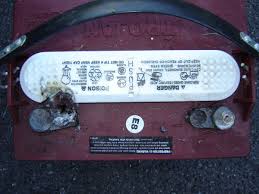
Corrosion on battery terminals and connections can lead to a weak battery. Corrosion usually appears as a white or greenish powder around the terminals. It prevents the battery from receiving a full charge and can cause starting issues. Regular maintenance, such as cleaning the terminals, can prevent corrosion and ensure a strong connection.
| Corrosion Type | Impact |
|---|---|
| White Powder | Reduces electrical conductivity |
| Greenish Powder | Indicates severe corrosion |
Parasitic Drains
Parasitic drains occur when electrical components continue to draw power even when the bike is off. Components like alarms, GPS units, or faulty wiring can cause these drains. A parasitic drain slowly depletes the battery, making it weak. Identifying and fixing these drains can help maintain battery health.
- Check for aftermarket accessories
- Inspect wiring for damage
- Test for current draw with a multimeter
Testing Your Motorcycle Battery
Motorcycle batteries can fail without warning. Knowing how to test your battery can save you from being stranded. This guide will help you check if your battery is weak.
Using A Multimeter
A multimeter is a handy tool for checking battery voltage. Set your multimeter to DC voltage. Connect the red probe to the positive terminal and the black probe to the negative terminal.
Check the reading. A fully charged motorcycle battery should read between 12.6 and 13.5 volts. If the reading is below 12.4 volts, your battery may be weak.
| Voltage Reading | Battery Condition |
|---|---|
| 12.6V – 13.5V | Fully Charged |
| 12.4V – 12.6V | Partially Charged |
| Below 12.4V | Weak or Discharged |
Load Testing
Load testing measures the battery’s performance under load. You will need a battery load tester for this. Connect the load tester to the battery terminals. Apply the load for about 10 seconds.
Observe the voltage drop. A healthy battery should not drop below 9.6 volts under load. If it does, your battery is likely weak and may need replacement.
Visual Inspection
Inspecting your battery can also reveal issues. Look for corrosion around the terminals. Corrosion can affect the battery’s performance. Clean any corrosion with a mixture of baking soda and water.
Check for any physical damage like cracks or leaks. Damaged batteries can be hazardous and should be replaced immediately. Also, ensure that the battery is securely mounted.
- Check for corrosion
- Look for physical damage
- Ensure the battery is secure
Regular inspection can prolong your battery’s life and ensure your motorcycle is always ready to go.
Preventive Maintenance Tips
Keeping a motorcycle battery in top condition requires regular preventive maintenance. By following a few simple tips, you can avoid the frustrating symptoms of a weak battery. These tips will not only extend your battery’s lifespan but also ensure a smooth ride every time.
Regular Charging
One of the easiest ways to maintain your motorcycle battery is through regular charging. Even if you don’t ride your motorcycle often, you should charge the battery at least once a month. Using a battery tender or a smart charger can help maintain the optimal charge level. These devices automatically switch off when the battery is fully charged, preventing overcharging.
Cleaning Battery Terminals
Corroded terminals can reduce the efficiency of your battery. To prevent this, clean the battery terminals regularly. You can use a mixture of baking soda and water to scrub off any corrosion. Make sure to disconnect the battery before cleaning. After cleaning, dry the terminals thoroughly and apply a thin layer of petroleum jelly to prevent future corrosion.
Avoiding Short Rides
Short rides may not allow your battery to recharge fully. It can lead to a weak battery over time. Try to ride your motorcycle for at least 20-30 minutes each time. This will help the battery recharge properly and maintain its health. If you need to make short trips, consider using a battery tender to keep the battery charged.
Choosing The Right Replacement Battery
Choosing the right replacement battery for your motorcycle is crucial. A weak battery can lead to many problems. To avoid these issues, it’s important to select a suitable replacement. Here, we’ll discuss different types of batteries, their capacities and sizes, and recommended brands.
Battery Types
Motorcycle batteries come in various types. The most common types include:
- Lead-Acid Batteries: These are traditional and reliable. They are also cost-effective.
- AGM Batteries: Absorbed Glass Mat batteries are sealed and maintenance-free. They provide better performance.
- Lithium-Ion Batteries: These are lightweight and have a longer lifespan. They are also more expensive.
Capacity And Size
Choosing the correct capacity and size is essential. A battery that is too small won’t deliver enough power. One that is too large might not fit in the battery compartment.
Check your motorcycle’s manual for the recommended specifications. Look for:
- Voltage: Most motorcycles use 12V batteries.
- Cold Cranking Amps (CCA): This measures the battery’s ability to start the engine in cold temperatures.
- Physical Dimensions: Ensure the battery fits in the designated space.
Brand Recommendations
There are many brands to consider. Some of the most reliable include:
| Brand | Type | Features |
|---|---|---|
| Yuasa | AGM | High performance, long-lasting |
| Shorai | Lithium-Ion | Lightweight, long lifespan |
| Odyssey | AGM | High CCA, durable |
| Exide | Lead-Acid | Cost-effective, reliable |
Choosing the right battery ensures your motorcycle runs smoothly. Always opt for a trusted brand and the correct specifications.
Proper Battery Storage
Proper battery storage is crucial for maintaining the lifespan and performance of your motorcycle battery. Ensuring the right storage conditions helps avoid common issues like weak battery symptoms and extends the life of the battery. Let’s explore some important aspects of proper battery storage.
Storage Location
Choosing the right storage location for your motorcycle battery is essential. Store the battery in a cool, dry place. Avoid areas with extreme temperatures. A garage or a basement can be ideal. Ensure the location is away from direct sunlight and moisture.
Maintaining Charge
Proper maintenance of charge is key to preventing a weak battery. Use a smart charger or trickle charger to keep the battery charged. This helps in maintaining the charge level without overcharging. Check the battery voltage regularly. Aim for a voltage between 12.4V and 12.7V.
| Charge Level | Voltage |
|---|---|
| Fully Charged | 12.7V |
| Partially Charged | 12.4V |
| Low Charge | Below 12.4V |
Protecting From Elements
Ensure the battery is protected from elements like dust, moisture, and chemicals. Use a battery case or cover. This prevents exposure to corrosive substances and harsh weather. Clean the battery terminals regularly to prevent corrosion. Apply a thin layer of petroleum jelly on the terminals. This helps in protecting the battery from rust and corrosion.
- Store in a cool, dry place
- Use a smart charger
- Check voltage regularly
- Protect from dust and moisture
- Clean terminals regularly
Proper battery storage ensures your motorcycle battery remains in good condition. This prevents weak battery symptoms and prolongs the battery’s life.
Emergency Solutions For Weak Battery
It’s frustrating when your motorcycle’s battery weakens unexpectedly. Knowing how to deal with it can save you from being stranded. Here, we discuss some emergency solutions for a weak battery, so you can get back on the road quickly.
Jump Starting
Jump starting is a quick fix for a weak battery. It involves connecting your motorcycle to another vehicle’s battery using jumper cables. Here’s how to do it:
- Park both vehicles close, but not touching.
- Turn off both engines.
- Connect the red jumper cable to the positive terminal of the dead battery.
- Attach the other end to the positive terminal of the working battery.
- Connect the black jumper cable to the negative terminal of the working battery.
- Attach the other end to an unpainted metal surface on your motorcycle.
- Start the vehicle with the working battery first, then start your motorcycle.
Remember to remove the cables in the reverse order after your motorcycle starts.
Portable Battery Packs
Portable battery packs are handy tools for emergencies. They are small, easy to carry, and can jump-start your motorcycle without needing another vehicle. Here’s why they are useful:
- Compact and lightweight, easy to store in your backpack.
- Simple to use, just connect to your battery and start.
- Many models come with additional features like USB ports to charge devices.
Investing in a good portable battery pack can save you from many battery-related issues.
Push Starting Techniques
If you don’t have jumper cables or a portable battery pack, push starting your motorcycle might be your last option. This method uses your own energy to start the engine. Follow these steps:
- Turn the key to the “on” position.
- Put the bike in second gear.
- Hold the clutch in and start pushing the bike.
- Once you gain some speed, release the clutch quickly.
- The engine should start; if not, try again.
Push starting can be tiring, so it’s best to ask for help if you can.
Credit: roadguardians.org
When To Seek Professional Help
Motorcycle batteries can be tricky. Sometimes, they show signs of trouble that can be fixed at home. But not all problems are simple. Knowing when to seek professional help can save you time and money. Here, we will discuss key scenarios where consulting a professional is the best course of action.
Persistent Issues
Some battery issues don’t go away easily. If your motorcycle struggles to start even after a recent charge, it’s a red flag. You might notice that the lights flicker or dim. This is another sign of a weak battery.
Pay attention to how often these problems occur. If they are frequent, it’s time to see a professional. They can check for deeper issues that you may not spot. A persistent weak battery can lead to more significant problems.
Complex Electrical Problems
Motorcycles have complex electrical systems. Sometimes, the battery isn’t the only problem. You might experience issues with the ignition or other electrical components. These problems can be hard to diagnose without the right tools.
A professional can run diagnostic tests to find the root cause. They can also repair or replace faulty parts. Ignoring complex electrical problems can be dangerous and costly in the long run. Always consult a professional for complex issues.
Professional Diagnosis
Knowing when to get a professional diagnosis is crucial. Experts use special equipment to test your battery and electrical system. They check for things like voltage drops and current leaks.
Here is a table summarizing the benefits of a professional diagnosis:
| Benefit | Description |
|---|---|
| Accurate Results | Professionals provide precise data on battery health. |
| Safety | Reduces the risk of electrical malfunctions. |
| Cost-Effective | Prevents unnecessary repairs or replacements. |
In summary, don’t ignore persistent issues, complex electrical problems, or the need for a professional diagnosis. Your motorcycle’s battery and electrical system are vital for safe rides. Seeking professional help ensures your bike remains reliable and safe.
Credit: motofomo.com
Frequently Asked Questions
What Are Signs Of A Weak Motorcycle Battery?
A weak motorcycle battery may cause slow engine cranking, dim headlights, and erratic electrical functions. Frequent need for jump-starts is another sign. Regular maintenance can help identify these issues early.
How Does A Weak Battery Affect Motorcycle Performance?
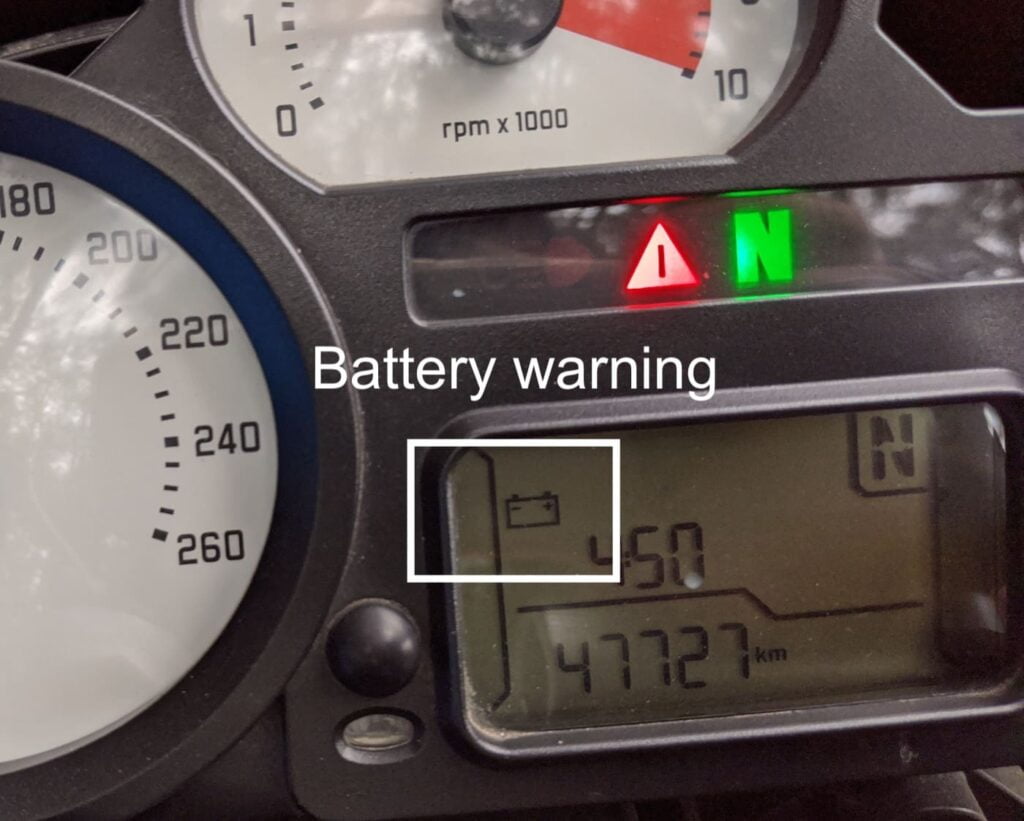
A weak battery can lead to unreliable starts and poor engine performance. It may also affect electrical components, causing flickering lights and malfunctioning gauges.
Can Cold Weather Weaken A Motorcycle Battery?
Yes, cold weather can significantly weaken a motorcycle battery. Low temperatures reduce the battery’s capacity and make starting the engine harder.
How Often Should I Check My Motorcycle Battery?
It’s advisable to check your motorcycle battery at least once a month. Regular checks help identify potential problems early, ensuring reliable performance.
Conclusion
Recognizing weak battery symptoms in your motorcycle is crucial. It ensures smooth rides. Look out for dim lights, slow cranking, and clicking sounds. Regular battery checks can prevent sudden breakdowns. A healthy battery keeps your motorcycle running efficiently. Always stay alert to these signs.
Act quickly if you notice any issues. Regular maintenance can save time and money. Keep your motorcycle in top shape with a strong battery. Safe and enjoyable rides start with a reliable power source.