
The Harley-Davidson Shovelhead engine, produced from 1966 to 1984, is a significant chapter in American motorcycle history. While it introduced several improvements over the previous Panhead engine, it also came with a host of reliability issues that make certain model years less desirable for buyers and collectors.
This article will explore the Shovelhead years to avoid, identifying key problems associated with specific model years, particularly during the AMF years (1969-1981). By understanding these pitfalls, potential buyers can make informed decisions when considering a Shovelhead motorcycle.
Overview of the Shovelhead Engine
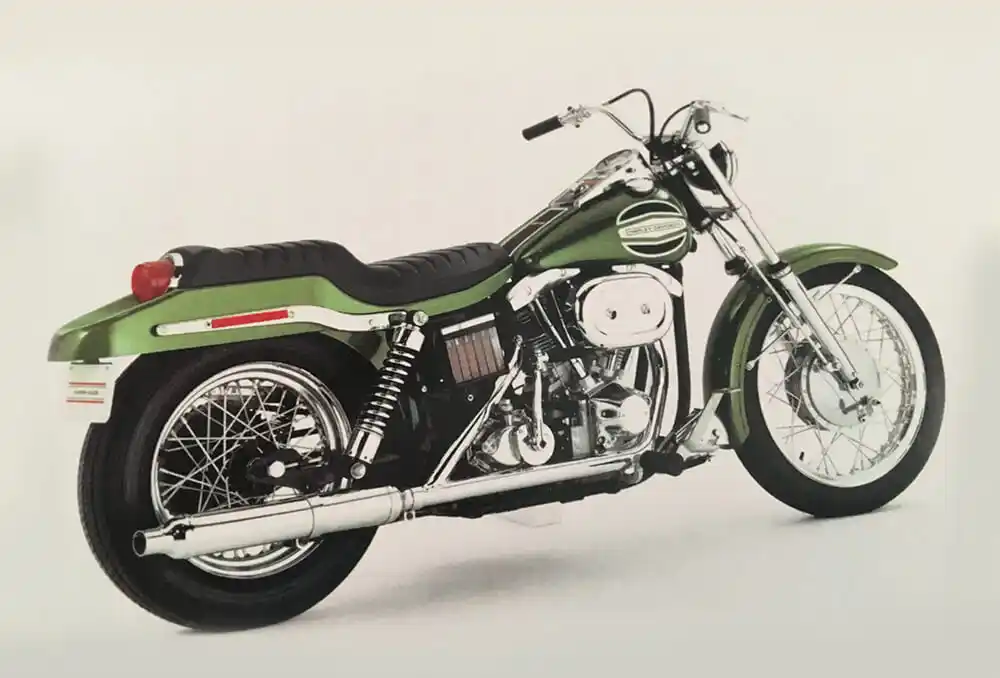
The Shovelhead engine represents a pivotal evolution in Harley-Davidson’s engineering, marking a shift from its predecessor, the Panhead. Developed in response to growing competition from European motorcycles, the Shovelhead aimed to deliver enhanced power and reliability.
It featured a shallower combustion chamber, larger valve drop, and improved porting, which contributed to a horsepower increase of about 10 horsepower compared to the Panhead.
Historical Context
Introduced in 1966, the Shovelhead was part of Harley’s strategy to modernize its lineup and regain market share against more technologically advanced rivals. The name “Shovelhead” derives from the distinctive shape of its rocker covers, which resemble an upside-down shovel.
Technical Specifications
| Year | Engine Displacement (ci) | Horsepower | Torque (lb-ft) |
|---|---|---|---|
| 1966 | 74 | 60 | 65 |
| 1978 | 80 | 65 | 70 |
| 1984 | 80 | 70 | 75 |
This table highlights the progression of the Shovelhead’s technical specifications over its production years. Notably, the engine’s displacement increased in 1978 to 80 cubic inches, providing a significant boost in both horsepower and torque.
This evolution reflects Harley’s efforts to enhance performance in response to market demands.
Shovelhead vs. Panhead
When comparing the Shovelhead to the Panhead, several key differences emerge. The Shovelhead’s design improvements aimed to enhance cooling and overall performance.
While the Panhead was known for its reliability, the Shovelhead struggled with overheating and oil consumption issues, which would later define its legacy.
Common Issues Faced by Shovelhead Owners
Despite its initial promise, the Shovelhead engine was plagued by numerous issues that affected its reliability and performance. Understanding these common problems is essential for any prospective buyer or owner.
Overheating Problems
One of the most significant issues with the Shovelhead engine was its tendency to overheat. The design, featuring only ten cooling fins, was insufficient to dissipate heat effectively.
Many owners reported that their engines would run hot, leading to severe performance drops.
Oil Consumption Issues
Oil consumption was another critical problem. Many Shovelhead owners reported that their engines would consume as much as one quart of oil every 500 miles.
This excessive consumption stemmed from oil pooling in the cylinder heads, which could lead to oil leaks and further mechanical failures.
Engine Knock and Damage
Engine knock was a common complaint among Shovelhead owners, particularly during the oil crisis of the 1970s, when fuel quality declined. This knocking could lead to catastrophic engine damage, including blown gaskets and damaged cylinder heads.
Harley technicians advised modifications to the cylinder heads to mitigate these issues, but not all owners were aware of these recommendations.
| Problem | Reported Frequency | Typical Owner Response |
|---|---|---|
| Overheating | High | Engine modifications |
| Oil Consumption | Moderate | Regular oil checks |
| Engine Knock | High during fuel crisis | Use of higher octane fuel |
This table summarizes the common issues faced by Shovelhead owners, highlighting their frequency and how owners typically responded. The high rates of overheating and engine knock often led to significant modifications or repairs, impacting the overall ownership experience.
The AMF Era and Its Impact
The acquisition of Harley-Davidson by American Machine and Foundry (AMF) in 1969 marked a turbulent period for the company and the Shovelhead engine. This era had profound implications for quality and reliability.
Changes in Production Techniques
AMF implemented various cost-cutting measures, including sourcing cheaper parts, which led to a decline in production quality. Many loyal Harley enthusiasts were disheartened by these changes, which affected morale and the overall reputation of the brand.
Quality Control Issues
With AMF focused on mass production, quality control suffered significantly. Reports of poorly machined engine cases and other components became common during this period.
This poor quality control contributed to several of the reliability issues that Shovelhead owners experienced.
Union Strikes and Employee Morale
The labor force faced cutbacks and dissatisfaction, leading to strikes and a general decline in employee morale. The impact of these labor disputes further exacerbated the quality issues, as workers were often less willing to take pride in their work under AMF’s management.
| Year | Event | Impact |
|---|---|---|
| 1969 | AMF Acquisition | Focus on cost-cutting |
| 1974 | Oil Crisis | Decline in fuel quality |
| 1977 | Labor Strikes | Quality control issues |
This table provides an overview of significant events during the AMF era and their impacts on Harley-Davidson and the Shovelhead engine. The combination of AMF’s cost-cutting focus, external economic pressures, and labor disputes created a perfect storm for quality issues, leading to many of the problems owners faced.
Years to Avoid: 1977-1979
Among the various model years of the Shovelhead, 1977, 1978, and 1979 stand out as particularly problematic.
1977 – Engine Case Machining Issues
The 1977 models had significant issues with engine case machining. Many engines were poorly machined, leading to problems with oil leaks and overall reliability.
Reports indicated that the machining tolerances were often not met, resulting in subpar performance.
1978 – Increased Reliability Problems
In 1978, while the engine displacement was increased, reliability issues did not improve. The changes made in this model year did not address the underlying problems, leading to ongoing complaints from owners about overheating and oil consumption.
1979 – Introduction of Electronic Ignition Failures
The 1979 models introduced electronic ignition systems that were prone to failure, leaving many owners frustrated. Many opted to revert to the older point ignition systems for better reliability, further reflecting the ongoing quality concerns.
| Year | Common Issues | Owner Feedback |
|---|---|---|
| 1977 | Poor machining | High dissatisfaction |
| 1978 | Reliability issues | Frustration with performance |
| 1979 | Electronic ignition failures | Return to points ignition |
This table outlines the common issues faced by Shovelhead owners during the problematic years of 1977 to 1979. The combination of poor machining, ongoing reliability issues, and ignition system failures created a perfect storm of frustration for many riders, solidifying these years as ones to avoid.
Years with Notable Improvements: 1980-1984
In contrast to the troublesome years, the period from 1980 to 1984 saw significant improvements in the Shovelhead engine.
Introduction of Rubber Mounting Systems
The introduction of rubber mounting systems in 1980 was a game-changer for the Shovelhead. This innovation significantly reduced vibrations, improving ride comfort and handling.
Engine Upgrades
Further engine upgrades were made, including a new oil pump design and improved valve guides, which helped mitigate many of the issues that plagued earlier models. Owners reported better reliability and performance in these later models.
Improved Fuel Handling
By the early 1980s, improvements in fuel handling systems helped to address some of the issues related to overheating and engine knock. These changes contributed to a more satisfying ownership experience and higher customer satisfaction rates.
| Year | Improvements | Owner Satisfaction |
|---|---|---|
| 1980 | Rubber mounts | Increased comfort |
| 1981 | New oil pump | Improved reliability |
| 1984 | Transition to Evolution | High satisfaction |
This table illustrates the key improvements made from 1980 to 1984. The introduction of rubber mounts and new oil pump designs significantly enhanced the riding experience, leading to higher owner satisfaction and a renewed interest in the Shovelhead models.
Collectibility and Resale Value of Shovelhead Models
As with any classic motorcycle, the collectibility and resale value of Shovelhead models vary by year and condition. Understanding these factors can help buyers make informed purchases.
Factors Affecting Value
Several factors influence the resale value of Shovelhead motorcycles, including the model year, condition, originality, and any modifications made. Models from the AMF era may be less desirable due to their reputation for reliability issues.
Popular Models Among Collectors
Certain models, particularly those produced before the AMF era, tend to be more sought after by collectors. The 1970 Super Glide and the 1980 Tour Glide are examples of models that have gained popularity in the collector market.
Market Trends
| Year | Average Resale Price | Collectibility Rating |
|---|---|---|
| 1966-1969 | $10,000+ | High |
| 1970-1976 | $7,000-$9,000 | Moderate |
| 1977-1979 | $5,000-$7,000 | Low |
| 1980-1984 | $8,000-$12,000 | Moderate to High |
This table showcases the average resale prices and collectibility ratings of Shovelhead models across various production years. Models from the earlier years are generally more valuable, while those from the AMF era tend to have lower resale values due to the associated reliability issues.
FAQs on Shovelhead Years to Avoid
What is a Shovelhead engine?
The Shovelhead engine is a motorcycle engine produced by Harley-Davidson from 1966 to 1984. The Shovelhead is known for its distinctive rocker covers and was a significant evolution from the previous Panhead engine, aimed at improving power and reliability.
Why are certain years of Shovelhead less desirable?
Certain years, particularly during the AMF era (1969-1981), are viewed as less desirable due to widespread reliability issues. Models from 1977 to 1979 had notorious problems, including poor machining and engine knock, leading to lower resale values.
What common problems should I look for in a Shovelhead?
Common problems include overheating, excessive oil consumption, and engine knock. Many Shovelhead owners report using a quart of oil every 500 miles, and overheating can lead to serious engine damage if not addressed.
How can I improve the reliability of a Shovelhead?
To improve reliability, owners can perform several modifications such as upgrading the oil pump, using higher quality fuel, and ensuring proper cooling. Regular maintenance and using aftermarket parts designed to address common issues can also help.
What are the best years for Shovelhead motorcycles?
The best years for Shovelhead motorcycles are typically considered to be from 1980 to 1984, as these models featured significant improvements and fewer reliability issues. The transition to the Evolution engine in 1984 marked the end of the Shovelhead era, but many late-model Shovelheads are still sought after.
Final thoughts: Shovelhead Years to Avoid
The Shovelhead engine represents a turbulent yet transformative era for Harley-Davidson. While certain years, particularly during the AMF era, are fraught with reliability issues, understanding these pitfalls allows enthusiasts and collectors to navigate the market more wisely.
By avoiding problematic years and focusing on models with improved technology, buyers can enjoy a piece of motorcycle history that reflects the enduring spirit of Harley-Davidson.