
A motorcycle’s battery is its heartbeat. A bad battery can ruin your ride.
Knowing the signs of a bad motorcycle battery is crucial for every rider. Imagine gearing up for a long-awaited ride, only to find your motorcycle won’t start. Frustrating, right? Motorcycle batteries don’t last forever. They weaken over time and can fail without warning.
Spotting early signs of a bad motorcycle battery can save you from unexpected breakdowns and costly repairs. This blog will help you identify these warning signs. Whether you’re a seasoned rider or a newbie, understanding battery health is essential for a smooth and safe ride. Let’s dive into the common indicators of a failing motorcycle battery and ensure your bike stays road-ready.

Credit: motocyclists.com
Slow Engine Crank
Your motorcycle’s battery is its heartbeat. If it is weak, your ride may suffer. One common sign of a bad motorcycle battery is a slow engine crank. This means your engine takes longer to start than usual. Let’s break down the reasons and signs behind this issue.
Delayed Start
A delayed start is often the first sign. When you press the start button, there is a noticeable delay. Your engine does not start immediately. This could mean your battery is not providing enough power. Over time, this delay can become longer and more frequent.
Weak Cranking Sound
A weak cranking sound is another indicator. You may hear a sluggish or struggling sound when starting your engine. This sound is different from the usual robust cranking noise. A weak cranking sound means your battery is struggling to turn over the engine. This is a clear sign that your battery may need replacement.
| Sign | Description |
|---|---|
| Delayed Start | Engine takes longer to start than usual. |
| Weak Cranking Sound | Sluggish or struggling noise during engine start. |
Recognizing these signs early can save you from bigger problems. Keep your battery in good shape for a smooth ride.
Credit: roadguardians.org
Dim Headlights
Dim headlights are an early warning sign of a bad motorcycle battery. Your headlights are crucial for safe riding, especially at night. A failing battery can cause reduced brightness and flickering lights. Understanding these signs can help you avoid dangerous situations.
Reduced Brightness
One common sign of a bad battery is reduced brightness in your headlights. You may notice that your headlights are not as bright as they used to be. This can make it harder to see the road and for others to see you.
Compare the brightness of your headlights with a new motorcycle. If there is a noticeable difference, your battery might be the issue.
| Condition | Possible Cause |
|---|---|
| Dim Headlights | Weak Battery |
| Flickering Lights | Faulty Battery Connections |
Flickering Lights
Another sign of a bad battery is flickering lights. Your headlights might flicker or blink when the battery is failing. This is dangerous, as it can cause visibility issues. Check the battery connections if you experience flickering lights.
- Inspect the battery terminals for corrosion.
- Ensure the connections are tight and secure.
- Replace the battery if the problem persists.
Flickering lights can indicate other electrical issues. But often, a failing battery is the main cause.
Frequent Jump-starts
If you’re constantly reaching for the jumper cables, your motorcycle battery might be in trouble. Frequent jump-starts are a clear sign that your battery isn’t holding a charge. This situation can be frustrating and might leave you stranded when you least expect it. Understanding the signs of a bad motorcycle battery can save you from future headaches.
Repeated Battery Boosts
Repeatedly boosting your battery is a clear red flag. If your motorcycle needs a jump-start every few days, it’s time to investigate. A healthy battery should hold a charge for weeks, not just days. When a battery loses its charge quickly, it’s often due to internal damage or old age.
Short-term Fixes
Jump-starting your motorcycle is a temporary solution. It gets you back on the road but doesn’t fix the underlying issue. Every time you jump-start, you’re putting extra strain on both the battery and the motorcycle’s electrical system. Over time, this can lead to more serious problems.
Consider these common reasons for frequent jump-starts:
- Faulty Battery: Batteries have a lifespan. If yours is old, it might be time for a replacement.
- Electrical Issues: Problems with the motorcycle’s charging system can prevent the battery from charging properly.
- Parasitic Drain: Accessories or faulty wiring can drain the battery even when the bike is off.
Here’s a quick table to help identify common battery issues:
| Symptom | Possible Cause |
|---|---|
| Frequent Jump-Starts | Old or Damaged Battery |
| Dim Headlights | Electrical System Issues |
| Slow Engine Crank | Low Battery Charge |
Jump-starts should be rare, not routine. Pay attention to these signs, and address issues early to keep your motorcycle running smoothly.

Credit: www.vikingbags.com
Battery Age
The age of your motorcycle battery plays a crucial role in its performance. Over time, even the best batteries wear out and need replacement. Recognizing the signs of an aging battery can prevent unexpected breakdowns and ensure a smooth ride.
Old Battery Lifespan
Motorcycle batteries typically last between two to five years. Factors like usage, maintenance, and climate affect their lifespan. Regular checks and maintenance can help extend it, but eventually, all batteries reach their end.
| Battery Age | Condition |
|---|---|
| 0-1 years | Excellent |
| 2-3 years | Good |
| 4-5 years | Poor |
| 5+ years | Very Poor |
Expiration Indicators
Several signs indicate a dying battery. Recognizing these signs early helps avoid trouble:
- Slow engine crank – The engine cranks slower than usual.
- Dim lights – Headlights and indicators appear dim.
- Frequent jump-starts – You need to jump-start often.
- Battery warning light – The warning light is on.
- Corroded terminals – Visible corrosion on battery terminals.
Check your battery if you notice these signs. A timely replacement ensures your motorcycle runs smoothly.
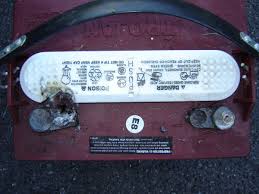
Corroded Battery Terminals
One of the common signs of a bad motorcycle battery is corroded terminals. Corrosion can prevent your bike from starting. It also affects the overall performance of the motorcycle. Corrosion occurs due to the buildup of acid on the battery terminals.
Signs Of Corrosion
Battery terminals with corrosion have a white, ashy substance. This substance is sulfuric acid that has reacted with the air. Corrosion can cause weak connections. It can also lead to starting problems. In severe cases, your battery may not charge at all.
- White or greenish deposits on terminals.
- Difficulty starting your motorcycle.
- Dim headlights and weak electrical components.
Cleaning Terminals
Cleaning battery terminals can restore your bike’s performance. Always wear gloves and safety glasses. Battery acid is harmful to skin and eyes.
- Disconnect the battery cables.
- Mix baking soda with water to make a paste.
- Use a toothbrush to apply the paste to the terminals.
- Scrub the terminals until the corrosion is gone.
- Rinse with clean water and dry with a cloth.
- Reconnect the battery cables.
After cleaning, apply a thin layer of petroleum jelly to the terminals. This will help prevent future corrosion. Regular maintenance can keep your battery in good condition. Inspect your battery terminals every few months.
Swollen Battery Case
One clear sign of a bad motorcycle battery is a swollen battery case. This indicates an internal issue. The battery may have overheated or experienced physical damage. A swollen battery case can lead to serious problems. It’s crucial to identify this sign early and take action.
Physical Damage
Inspect the battery for any physical damage. Look for cracks, dents, or bulges. These signs suggest the battery has been compromised. Physical damage often leads to leaks. Leaks can cause corrosion on other parts of the motorcycle. Regular inspection helps catch this issue early.
Overheating Symptoms
Overheating is a common cause of a swollen battery case. You might notice the battery feels hot to the touch. Overheating can result from overcharging. It can also occur due to a malfunctioning charging system.
Signs of overheating include:
- Battery case feels warm or hot
- Noticeable bulging or swelling
- Burnt smell near the battery
Addressing overheating symptoms promptly can prevent further damage. Ensure the charging system is functioning correctly. Proper maintenance extends the life of your battery.
Unusual Smells
Motorcycle batteries are crucial for a bike’s performance. A failing battery often gives off unusual smells. These odors can indicate serious issues. Identifying these smells early can prevent bigger problems.
Sulfur Odor
A strong sulfur odor is a red flag. This smell is often described as rotten eggs. It usually means the battery is leaking gas. This gas is sulfuric acid, which is highly corrosive. A leaking battery can damage other bike parts.
Important: If you detect a sulfur odor, check your battery immediately. Wear gloves and safety glasses for protection. Look for any visible leaks or damage. If you find any, replace the battery.
Burning Scent
A burning scent is another warning sign. This smell often means the battery is overheating. Overheating can be due to overcharging or internal short circuits. Both of these conditions can lead to battery failure.
Important: If you smell burning, turn off your bike and inspect the battery. Feel the battery casing to see if it is hot. If it is, let it cool down before handling. Check the bike’s charging system for faults.
| Smell | Possible Cause | Action |
|---|---|---|
| Sulfur Odor | Leaking gas (sulfuric acid) | Inspect for leaks, replace if needed |
| Burning Scent | Overheating or overcharging | Check charging system, let battery cool |
Dashboard Warning Lights
Dashboard warning lights play an important role in monitoring your motorcycle’s health. Recognizing these signals helps you identify a bad motorcycle battery early. Understanding these indicators can save you from unexpected breakdowns.
Battery Warning Signal
The Battery Warning Signal is a clear indicator of battery issues. This light often appears as a battery icon. It may also display a plus and minus sign. When this light stays on, your battery might be failing. This signal requires immediate attention. Ignoring it can lead to more severe problems. Always check your battery’s connections and charge if this light appears.
Other Indicator Lights
Other indicator lights can also signal battery problems. Look for dim or flickering lights on your dashboard. These lights may include:
- Headlight Indicator
- Turn Signal Indicator
- Neutral Light
Dim lights can mean your battery is not providing enough power. This situation often points to a weak or failing battery. Additionally, if your motorcycle struggles to start, the battery could be the issue. Regularly inspecting these indicators helps maintain your motorcycle’s performance.
Frequently Asked Questions
How Do I Know If My Motorcycle Battery Is Bad?
A bad motorcycle battery often shows signs like dim headlights, slow engine cranking, or no response when starting.
What Causes A Motorcycle Battery To Fail?
Common causes include age, lack of maintenance, extreme temperatures, and frequent short trips that don’t fully charge the battery.
Can A Bad Battery Affect Motorcycle Performance?
Yes, a bad battery can cause starting issues and electrical malfunctions, affecting overall motorcycle performance and reliability.
How Long Does A Motorcycle Battery Last?
Typically, a motorcycle battery lasts 2-5 years, depending on usage, maintenance, and environmental conditions.
Conclusion
A bad motorcycle battery can cause many problems. Knowing the signs helps you stay safe. Look for slow engine starts, dim lights, and electrical issues. Regular checks can save time and money. Replace the battery when needed. This keeps your bike running smoothly.
Don’t ignore the warning signs. Stay proactive and enjoy your rides.