
In the world of dual-sport motorcycles, the Yamaha TW200 vs XT250 stand out as popular choices for both beginners and experienced riders alike. This article will delve into a comprehensive comparison between these two iconic models, highlighting their specifications, performance, and suitability for various riding styles.
We’ll explore their engine capabilities, suspension systems, design features, and pricing to help potential buyers make an informed decision. Whether you’re looking for a reliable commuter bike or a capable off-roader, understanding the differences and similarities between the TW200 and XT250 is essential in choosing the right motorcycle for your needs.
Overview of Yamaha TW200 and XT250
The Yamaha TW200 and XT250 are both celebrated bikes in the dual-sport category, appealing to a wide range of riders. Their versatility makes them suitable for both street and off-road riding, catering to enthusiasts looking for adventure on two wheels.
Brief History of the TW200
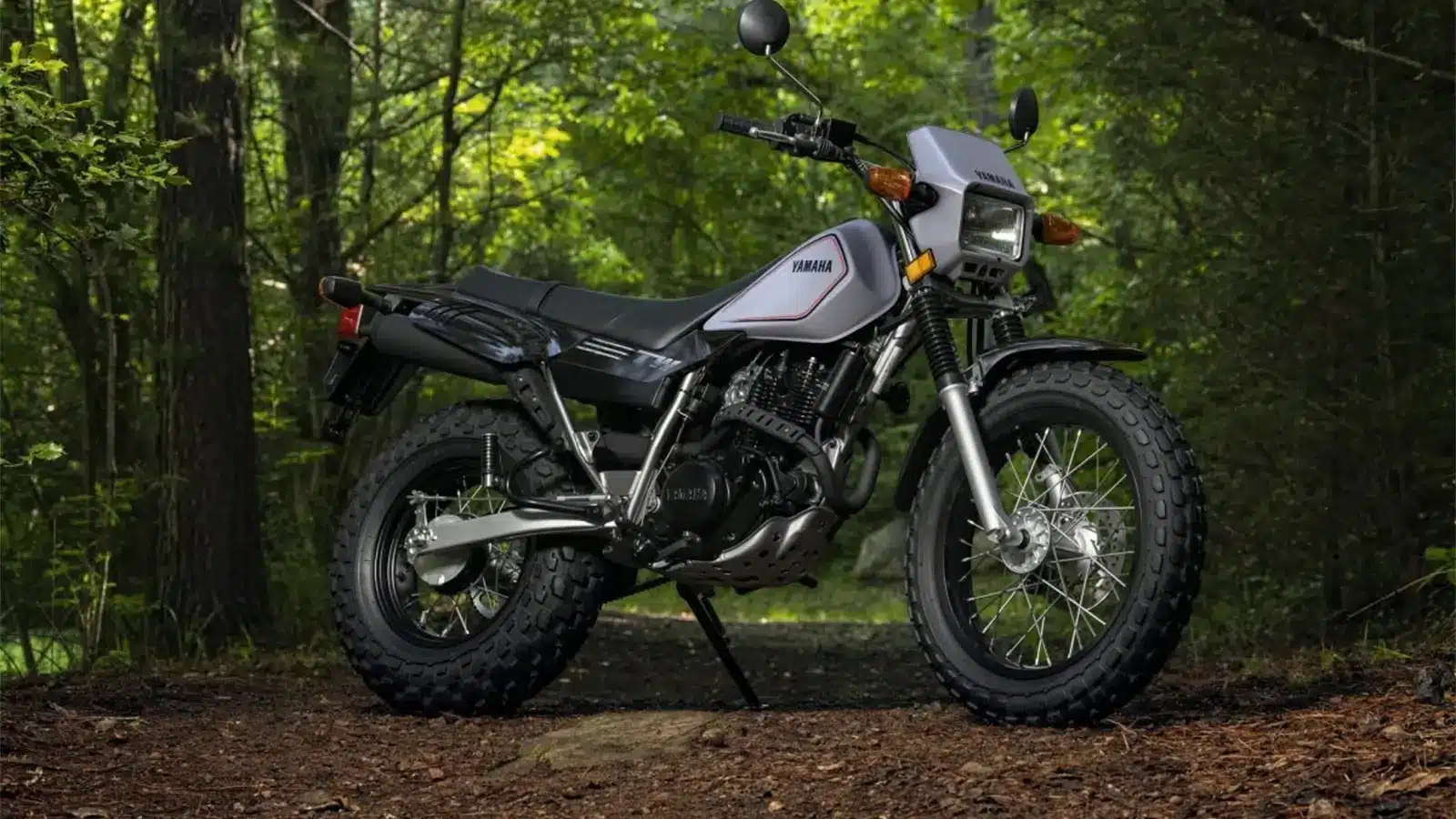
Introduced in 1987, the Yamaha TW200 has garnered a loyal following due to its unique features, such as the oversized tires which provide excellent traction in loose terrain. This bike is often regarded as an ideal choice for new riders and those looking for a fun, easy-to-ride machine that excels in urban commuting and casual trail riding.
Brief History of the XT250
On the other hand, the XT250 has a history that dates back to the early 1980s. With a focus on performance, the XT250 has evolved over the years, incorporating modern technology, including fuel injection in recent models.
This bike is known for its reliable performance, making it suitable for both beginners and seasoned riders looking for a capable dual-sport motorcycle.
Key Specifications Overview
| Model | Year of Introduction | Unique Features | Market Position |
|---|---|---|---|
| Yamaha TW200 | 1987 | Fat tires, low seat height | Beginner-friendly, urban commuter |
| Yamaha XT250 | 1980 | Fuel injection, longer suspension travel | Versatile, performance-oriented |
The table highlights that the TW200, introduced in 1987, is designed for ease of use with its fat tires and low seat height, making it accessible for beginners. In contrast, the XT250 has a more established history and offers features like fuel injection, enhancing its performance and versatility.
The TW200 is positioned as an urban commuter, while the XT250 caters to a broader audience looking for a capable dual-sport motorcycle.
Engine Specifications and Performance
When choosing between the TW200 and XT250, engine specifications and performance characteristics are key factors to consider. Both bikes have different engine configurations that cater to varying riding preferences.
TW200 Engine and Performance
The TW200 is powered by a 196cc air-cooled, single-cylinder engine, generating approximately 11 horsepower. This engine is carbureted, which some riders appreciate for its simplicity and ease of maintenance.
With a top speed of around 55 mph, the TW200 is not built for highway cruising but excels in urban settings and light off-road conditions.
XT250 Engine and Performance
In contrast, the XT250 features a 249cc air-cooled, single-cylinder engine, producing roughly 20 horsepower. This engine employs fuel injection, providing better fuel efficiency and throttle response.
The XT250 can reach speeds upwards of 70 mph, making it more suitable for highway riding and longer commutes.
Engine Specs Comparison
| Model | Displacement | Horsepower | Torque | Fuel Efficiency |
|---|---|---|---|---|
| Yamaha TW200 | 196cc | 11 hp | 10.0 lb-ft | 70-80 mpg |
| Yamaha XT250 | 249cc | 20 hp | 15.0 lb-ft | 70-75 mpg |
This comparison shows that the XT250 has a notable advantage in horsepower and torque, making it more suitable for varied riding conditions, including highway speeds. The TW200, while less powerful, provides excellent fuel efficiency, particularly appealing to urban commuters.
The choice between the two engines largely depends on the rider’s intended use – casual rides or more demanding off-road adventures.
Suspension and Handling
The suspension setup on both motorcycles significantly influences their handling characteristics and overall ride quality, especially when navigating different terrains.
TW200 Suspension Setup
The TW200 features a conventional fork with 6.3 inches of travel in the front and a rear shock with 5.9 inches of travel. This setup provides a comfortable ride for urban commuting and light trail riding but may struggle to absorb larger bumps and rougher terrains effectively.
XT250 Suspension Setup
The XT250, however, boasts a more advanced suspension system with 8.9 inches of front travel and 7.1 inches in the rear. This extended travel allows the XT250 to handle rougher terrain and provides a smoother ride over obstacles, making it a better choice for serious off-road adventures.
Suspension Travel Comparison
| Model | Front Suspension Travel | Rear Suspension Travel | Ground Clearance |
|---|---|---|---|
| Yamaha TW200 | 6.3 inches | 5.9 inches | 10.4 inches |
| Yamaha XT250 | 8.9 inches | 7.1 inches | 11.2 inches |
From the suspension comparison, it is evident that the XT250 is better equipped to handle challenging off-road conditions with its superior travel and ground clearance. In contrast, the TW200’s suspension is adequate for smoother surfaces and lighter off-road use, making it suitable for casual riders or those who primarily ride on paved roads.
Design and Comfort
Design elements, including ergonomics, seat height, and overall comfort, play a crucial role in the riding experience of both motorcycles.
Comfort Features of the TW200
The TW200 is known for its low seat height of 31.1 inches, making it accessible for shorter riders. Its wide, cushioned seat offers good comfort for short rides, and the overall lightweight nature of the bike makes it easy to handle.
However, the seat may cause discomfort during longer rides due to its firmness.
Comfort Features of the XT250
The XT250 features a slightly taller seat height of 32.7 inches but is still manageable for most riders. The seat is designed to provide comfort over extended rides, accommodating longer distances.
Additionally, the bike’s build allows for better weight distribution, enhancing stability and comfort when riding.
Design Features Comparison
| Model | Seat Height | Weight | Ergonomics |
|---|---|---|---|
| Yamaha TW200 | 31.1 inches | 278 lbs | Comfortable for short rides |
| Yamaha XT250 | 32.7 inches | 291 lbs | Better for longer distances |
The design comparison showcases that while the TW200 is more accommodating for shorter riders, the XT250 offers enhanced comfort for longer journeys. This trade-off highlights the need for potential buyers to consider their primary riding style when selecting between the two models.
Off-Road Capabilities
Both the TW200 and XT250 are designed for off-road capability, but they serve different niches within that category.
TW200 Off-Road Performance
The TW200 is particularly adept at handling softer terrains thanks to its fat tires, which provide excellent flotation in sand and mud. This bike is perfect for riders who plan to traverse gravel roads and light trails.
However, it may struggle in more rugged environments due to its limited suspension travel.
XT250 Off-Road Performance
In contrast, the XT250 is built for more demanding off-road conditions. Its more robust suspension and engine power allow it to tackle steep hills and rough trails effectively.
The bike’s design makes it suitable for a variety of terrains, appealing to riders looking for a more adventurous experience.
Off-Road Feature Comparison
| Model | Tire Specifications | Traction | Stability on Rugged Terrains |
|---|---|---|---|
| Yamaha TW200 | 130/80-18 front, 180/80-14 rear | Excellent in sand | Moderate |
| Yamaha XT250 | 2.75 x 21 front, 120/80-18 rear | Good all-around | High |
This comparison illustrates that the TW200 excels in sandy conditions but may lack stability in tougher terrains. The XT250, with its more precise tire specifications and better traction, is capable of handling a wider range of off-road situations, making it ideal for more serious trail riders.
On-Road Performance
When considering these motorcycles for on-road performance, various factors come into play, including speed, handling, and comfort.
TW200 On-Road Performance
The TW200 is perfect for city commuting, with its manageable speed range and lightweight design. While it can achieve speeds of around 55 mph, it’s best suited for shorter trips and urban riding.
The bike’s comfort level diminishes during longer highway rides due to its limited power and vibrations at higher speeds.
XT250 On-Road Performance
In contrast, the XT250 is more capable on highways, reaching speeds over 70 mph comfortably. Its superior engine power and suspension provide better handling and stability, making it suitable for longer commutes and more varied riding conditions.
On-Road Feature Comparison
| Model | Top Speed | Comfort on Long Rides | Overall Stability |
|---|---|---|---|
| Yamaha TW200 | 55 mph | Moderate | Low |
| Yamaha XT250 | 70+ mph | High | High |
The on-road performance comparison shows a clear advantage for the XT250 in terms of speed and comfort. While the TW200 may suffice for short trips, the XT250’s capabilities make it a better option for riders who plan to use their motorcycle for longer distances or highway travel.
Pricing and Value for Money
Understanding the pricing structure of both models is crucial for potential buyers, as it can significantly affect the overall decision-making process.
TW200 Pricing and Market Value
The Yamaha TW200 is priced at approximately $4,999, making it an affordable option for entry-level riders. Its low cost, combined with excellent fuel efficiency (up to 80 mpg), provides good value for those primarily interested in casual riding.
XT250 Pricing and Market Value
In comparison, the XT250 starts at around $5,499. While more expensive, it offers additional features and performance benefits, making it worth the investment for riders seeking more versatility and capability in their motorcycle.
Price Comparison
| Model | MSRP | Resale Value | Additional Costs |
|---|---|---|---|
| Yamaha TW200 | $4,999 | High | Low maintenance costs |
| Yamaha XT250 | $5,499 | Moderate | Higher maintenance costs |
This pricing comparison illuminates the TW200’s strong value proposition, particularly for new riders or those looking for an economical commuting option. While the XT250 commands a higher price, its additional features and performance enhancements may justify the investment for riders seeking a more capable dual-sport motorcycle.
User Experiences and Reviews
User feedback plays a pivotal role in understanding the real-world performance and satisfaction of both motorcycles. Insights from current owners can provide valuable information for prospective buyers.
TW200 User Feedback
The TW200 enjoys a positive reputation among riders, especially for its ease of use and reliability. Many users praise its fuel efficiency and lightweight nature, making it ideal for beginners.
However, some riders express concerns over its limited power for highway travel.
XT250 User Feedback
In contrast, the XT250 is often lauded for its performance and versatility. Riders appreciate its fuel injection system and overall comfort for longer rides.
Nevertheless, some users mention that it can be slightly heavier and may not be as manageable for shorter individuals.
User Ratings Summary
| Model | Common Praises | Common Complaints |
|---|---|---|
| Yamaha TW200 | Fuel efficiency, lightweight | Limited power, uncomfortable for long rides |
| Yamaha XT250 | Performance, comfort | Weight, seat height |
The user feedback table reveals that while the TW200 is celebrated for its efficiency and handling for beginners, it falls short in power and comfort for longer rides. The XT250, while more powerful and comfortable, may not be the perfect fit for shorter riders.
This feedback highlights critical factors to consider when choosing between these two motorcycles.
FAQs on TW200 vs XT250
What is the main difference between the TW200 and XT250? The primary difference lies in their engine size and performance.
The TW200 has a 196cc engine with lower horsepower, making it suitable for urban commuting and light trails, while the XT250 features a 249cc engine, offering more power and versatility for highway riding and more challenging terrains.
Which bike is better for beginners? The Yamaha TW200 is often considered more beginner-friendly due to its lower seat height, lightweight, and ease of handling.
It is ideal for new riders looking for a simple and enjoyable bike for casual riding.
How do the fuel efficiencies compare? Both bikes offer impressive fuel efficiencies, with the TW200 reaching up to 80 mpg, while the XT250 provides around 70-75 mpg.
Though the TW200 is slightly more efficient, both motorcycles are economical options for riders.
Is one bike more reliable than the other? Both models have a reputation for reliability.
However, the TW200 is often praised for its simplicity, which can make maintenance easier. The XT250, with its more complex fuel injection system, may require additional care but is also known for its durability.
Can both bikes handle highway speeds? The TW200 is limited to around 55 mph, making it less suitable for highway travel.
In contrast, the XT250 can comfortably reach speeds over 70 mph, making it a better choice for longer commutes and highway riding.
Conclusion
In conclusion, both the Yamaha TW200 and XT250 offer unique advantages that cater to different riding preferences and needs. The TW200 shines with its ease of use and comfort for casual rides, while the XT250 delivers more power and off-road capabilities.
Ultimately, the decision will come down to personal priorities and intended usage. Riders should weigh the information provided in this article to make the best choice between these two outstanding dual-sport motorcycles.
Whether you choose the TW200 or the XT250, you’re in for an enjoyable riding experience.