
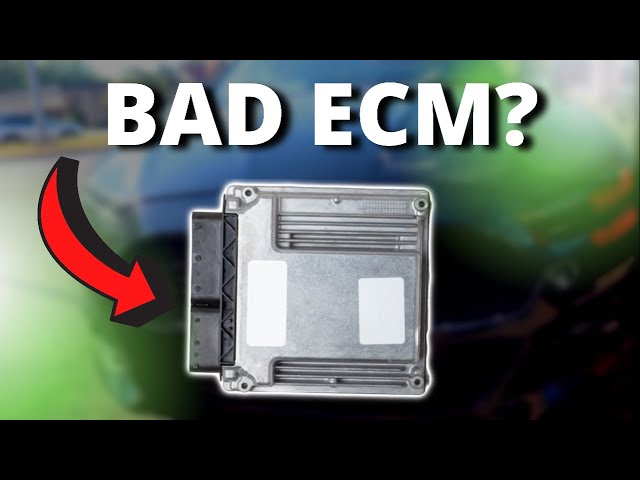
A bad engine control module (ECM) can cause many car issues. Knowing the symptoms helps in early detection and repair.
The engine control module is crucial for your car’s performance. It manages engine functions like fuel injection and ignition timing. When the ECM malfunctions, your car’s performance suffers. You might notice warning lights on your dashboard, or even wonder, “What are the symptoms of a bad engine control module?” The car could stall unexpectedly, and fuel efficiency may drop. These signs can be frustrating and confusing. Identifying these symptoms early can save you from costly repairs. Understanding what to look for can keep your car running smoothly. In this blog post, we’ll explore the common symptoms of a failing ECM. Stay tuned to learn more and keep your vehicle in top shape.
Engine Performance Issues
Experiencing engine performance issues can be frustrating and worrying. A faulty Engine Control Module (ECM) often causes these problems. The ECM, also known as the engine control unit (ECU), is the brain of your car’s engine. It manages various functions such as fuel injection, ignition timing, and emissions control. When the ECM fails, it can lead to several performance issues. Below, we discuss two common symptoms: stalling and misfiring.
Stalling
One of the most alarming symptoms of a bad ECM is engine stalling. This happens when the engine suddenly stops running. It can occur while the car is idling or even while driving. The ECM may not properly regulate the air-fuel mixture, causing the engine to stall. Frequent stalling can make driving unsafe and unreliable.
| Situation | Possible Cause |
|---|---|
| Stalls at idle | ECM not managing idle speed correctly |
| Stalls while driving | ECM failing to regulate fuel/air mixture |
Misfiring
Another common symptom of a bad ECM is engine misfiring. Misfiring occurs when one or more cylinders fail to ignite the fuel-air mixture at the right time. This can lead to a rough engine idle, poor acceleration, and increased emissions. Misfiring can also cause vibrations and unusual noises from the engine. This can be both annoying and a sign of serious problems.
- Rough idle
- Poor acceleration
- Increased emissions
- Vibrations and unusual noises
If you notice these symptoms, it’s crucial to have your vehicle checked by a professional. A faulty ECM can lead to more severe engine damage if not addressed promptly.
Credit: www.yourmechanic.com
Starting Problems
The Engine Control Module (ECM) is crucial for your vehicle’s performance. It oversees many functions, including the starting process. When the ECM fails, starting problems are common. This section covers key symptoms of a bad ECM related to starting issues.
Difficulty Starting
A failing ECM can make your car hard to start. You might turn the key, but nothing happens. The engine may crank without starting. This can be frustrating and can leave you stranded. The ECM controls the ignition system. When it fails, the engine doesn’t get the signal to start.
Here are some signs of difficulty starting due to a bad ECM:
- Engine cranks but doesn’t start.
- Car requires multiple attempts to start.
- Engine starts, then stalls immediately.
Intermittent Starting
Intermittent starting issues can also signal ECM problems. The car may start fine one day and refuse the next. This inconsistency can be confusing. It makes diagnosing the problem harder. The ECM might be sending erratic signals to the engine.
Common symptoms of intermittent starting include:
- Car starts fine sometimes, then fails without warning.
- Engine struggles to start randomly.
- Starting issues appear more often in extreme weather.
Keep an eye on these symptoms. They can help you identify ECM issues early. Early detection can save you from getting stranded. It also helps avoid more expensive repairs down the road.
Check Engine Light
A Check Engine Light can indicate many issues with your car. One of these issues might be a bad Engine Control Module (ECM). Understanding the Check Engine Light can help you identify the problem early. This section focuses on what the light means and how to decode the signs.
Illuminated Light
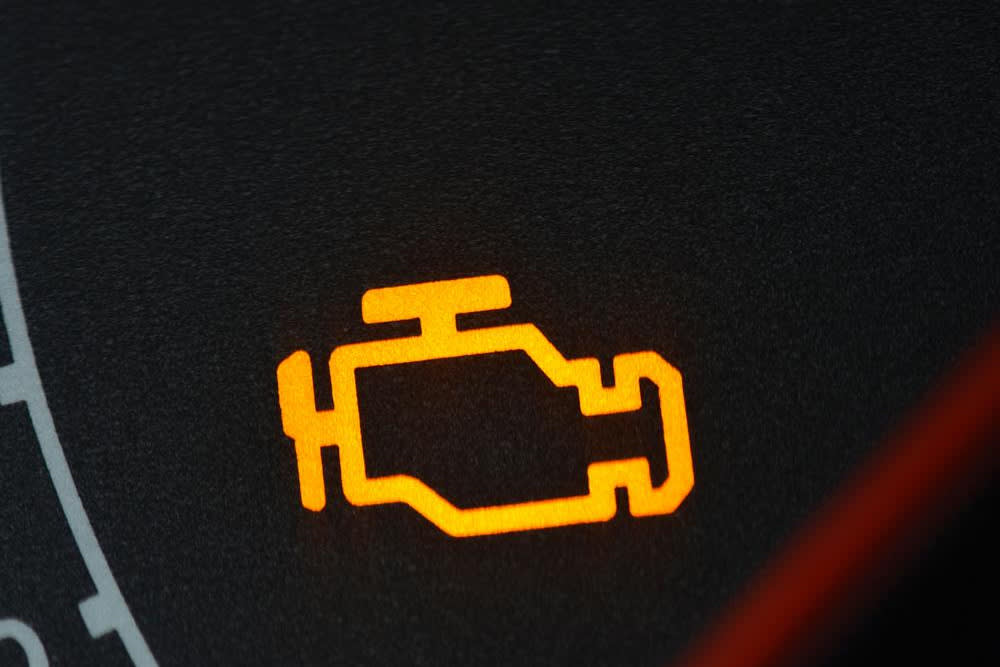
The Check Engine Light usually appears on the dashboard. It can be a steady or flashing light. A steady light often means a minor issue. A flashing light signals a serious problem. Ignoring a flashing light can lead to more damage.
A bad ECM can cause the Check Engine Light to illuminate. This light warns you to check your engine. If the light stays on, get your car checked. It could be a sign of a malfunctioning ECM.
Error Codes
When the Check Engine Light comes on, it stores error codes. These codes help diagnose the problem. A mechanic uses a scanner to read these codes. The codes can tell if the ECM is at fault.
Here are some common error codes related to a bad ECM:
- P0601: Internal Control Module Memory Check Sum Error
- P0602: Control Module Programming Error
- P0603: Internal Control Module Keep Alive Memory (KAM) Error
- P0604: Internal Control Module Random Access Memory (RAM) Error
- P0606: ECM/PCM Processor Fault
These codes indicate problems within the ECM. A mechanic can interpret these codes. Fixing the ECM might involve reprogramming or replacing it.
Fuel Efficiency Drop
One of the common symptoms of a bad Engine Control Module (ECM) is a noticeable drop in fuel efficiency. The ECM plays a crucial role in managing the fuel and air mixture in your engine. When it starts to fail, the fuel delivery becomes less precise, leading to increased fuel consumption and poor mileage.
Increased Consumption
If your vehicle’s ECM is malfunctioning, you might see a sudden increase in fuel consumption. This happens because the ECM is no longer able to regulate the fuel injection process correctly. As a result, your engine may receive more fuel than necessary, burning through your gas faster.
Here are some signs of increased fuel consumption:
- Frequent trips to the gas station
- Unexpectedly low fuel levels
- Noticeable drop in miles per gallon (MPG)
Poor Mileage
Poor mileage is another indicator of a failing ECM. When the ECM doesn’t function properly, it can’t optimize the fuel-air mixture. This leads to inefficient combustion and reduced mileage.
To identify poor mileage, keep an eye on these factors:
- Mileage readings lower than usual
- Inconsistent performance during long drives
- Difficulty maintaining speed on highways
Monitoring your fuel efficiency and mileage can help you catch ECM issues early. Addressing these symptoms promptly can save you money and prevent further damage to your vehicle.
Transmission Issues
Transmission issues are often a clear sign of a bad Engine Control Module (ECM). The ECM is like the brain of your vehicle. It controls many critical functions, including the transmission. If the ECM is faulty, you may experience various transmission problems. Below are some common symptoms.
Gear Shifting Problems
A failing ECM can cause gear shifting problems. Your vehicle may have trouble shifting gears. The shifts might be rough, delayed, or occur without any input from you. These issues can make driving difficult and unsafe.
- Delayed gear shifts
- Rough gear transitions
- Unexpected gear changes
Unresponsive Transmission
An unresponsive transmission is another symptom of a bad ECM. You might notice that your vehicle does not respond when you try to accelerate. The transmission may stay in one gear, making it hard to drive.
Common signs include:
- Acceleration issues
- Stuck in one gear
- Lack of power
Both of these issues can indicate a failing Engine Control Module. Addressing these problems early can save you from costly repairs. Keep an eye out for these symptoms to ensure your vehicle runs smoothly.
Credit: m.youtube.com
Electrical Malfunctions
The Engine Control Module (ECM) is the brain of your car. It manages various systems, ensuring smooth operation. Electrical malfunctions in the ECM can cause serious issues. These problems can lead to poor performance and even engine failure. Recognizing the symptoms can help you address them early.
Unusual Dashboard Lights
One of the most common signs of ECM issues is unusual dashboard lights. You might notice the Check Engine Light turning on without any apparent reason. This light is a critical alert for your car’s health. Other warning lights, like the ABS or airbag light, may also illuminate.
These lights signal that the ECM is not communicating properly. It could be a faulty connection or a software glitch. Ignoring these lights can lead to more severe problems.
Faulty Sensors
The ECM relies on sensors to monitor the engine’s performance. Faulty sensors can mislead the ECM, causing incorrect adjustments. This can result in poor fuel efficiency and power loss. You might also experience rough idling or stalling.
Common faulty sensors include:
- Oxygen Sensor
- Mass Airflow Sensor
- Throttle Position Sensor
Regular maintenance can help identify and fix sensor issues. Keeping sensors in good condition ensures the ECM functions properly.
Engine Noise
Engine noise is one of the most noticeable symptoms of a bad Engine Control Module (ECM). A malfunctioning ECM can cause various unusual sounds from the engine. These noises indicate that something is wrong under the hood. Let’s explore the different types of engine noise and what they might mean.
Knocking Sounds
A bad ECM can lead to knocking sounds from the engine. These sounds resemble a metallic ping or clunk. Knocking often occurs due to improper fuel combustion. The ECM controls the air-fuel mixture in the engine. When it malfunctions, the mixture can become unbalanced, causing knocking.
Common causes of knocking sounds include:
- Incorrect air-fuel ratio
- Faulty spark timing
- Low-quality fuel
Ignoring knocking sounds can lead to severe engine damage. It’s important to address this issue promptly.
Rattling Noises
Rattling noises can also signal a bad ECM. These noises are usually continuous and can be heard while the engine is running. Rattling often indicates loose or worn components. The ECM regulates many engine functions. When it fails, these components may not operate correctly.
Possible sources of rattling noises include:
- Loose engine parts
- Worn-out timing chain
- Improperly functioning valves
A rattling noise is a sign that your vehicle needs immediate attention. Ignoring it can lead to more significant issues.
Vehicle Performance
Vehicle performance is crucial for a smooth and safe driving experience. A bad Engine Control Module (ECM) can significantly affect your vehicle’s performance. Recognizing the symptoms early can help in preventing further damage. Let’s explore some of the common symptoms.
Reduced Power
A faulty ECM can lead to reduced power. You may notice that your vehicle doesn’t respond as it used to. This can be particularly noticeable when going uphill or carrying heavy loads. The engine might feel sluggish, and this lack of power can be dangerous, especially in critical situations.
Acceleration Problems
Another symptom of a bad ECM is acceleration problems. The car may hesitate or jerk when you press the accelerator. This can be very frustrating and can make driving difficult. In severe cases, the vehicle may not accelerate at all, leaving you stranded.

Credit: m.youtube.com
Frequently Asked Questions
What Is An Engine Control Module?
An Engine Control Module (ECM) is a computer that controls the engine’s operation. It manages various functions like fuel injection and ignition timing.
What Are Common Symptoms Of A Bad Ecm?
Common symptoms include engine misfires, stalling, and poor fuel economy. The check engine light may also illuminate.
Can A Bad Ecm Cause Engine Starting Problems?
Yes, a faulty ECM can prevent the engine from starting. It may disrupt fuel and ignition systems.
How Does A Bad Ecm Affect Fuel Economy?
A bad ECM can lead to improper fuel injection. This results in poor fuel efficiency and increased emissions.
Conclusion
Recognizing what are the symptoms of a bad Engine Control Module is crucial. Early detection saves money and stress. Watch for warning lights, poor performance, or unusual behavior. Ignoring these signs can lead to bigger problems. Regular maintenance and check-ups can help.
If you notice any issues, consult a mechanic promptly. Keeping your vehicle in good shape ensures safety and reliability. Don’t let a bad ECM disrupt your driving experience. Stay informed and proactive for a smoother ride.