What is an A1 Motorcycle Licence? It allows you to ride small motorcycles, making it an ideal starting point for new riders
For many, riding a motorcycle offers freedom and fun. An A1 Licence is perfect for those starting their journey on two wheels. This licence allows you to ride bikes up to 125cc and is ideal for younger or less experienced riders.
It’s a stepping stone to more advanced licences and opens the door to the world of motorcycling. Understanding what an A1 Licence is and how to get one can seem confusing at first. This guide will break it down, making the process clear and simple. Whether you’re dreaming of zipping through city streets or exploring country roads, an A1 Licence is your first step. Let’s dive in and explore what this licence entails.

Credit: www.rozsakert.hu
Introduction To A1 Motorcycle Licence
Thinking about riding a motorcycle? The A1 Motorcycle Licence is your first step. Understanding the basics of this licence can help you start your journey on two wheels. This section will cover what an A1 Motorcycle Licence is, its purpose, and who can apply for it.
Definition And Purpose
The A1 Motorcycle Licence allows you to ride light motorcycles. These motorcycles have a maximum engine size of 125cc. The purpose of this licence is to give new riders experience on smaller, less powerful bikes. It helps build confidence before moving to larger motorcycles.
Who Can Apply
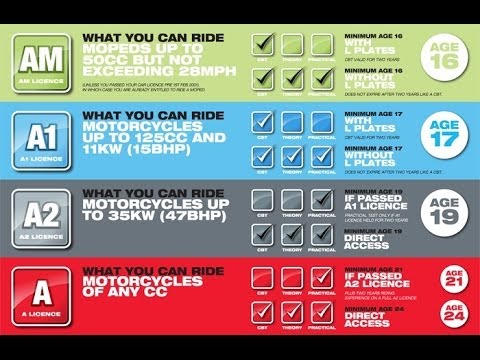
You must be at least 17 years old to apply for an A1 Motorcycle Licence. You also need to have a provisional motorcycle licence. Additionally, you must complete Compulsory Basic Training (CBT) before applying. Passing a theory test is another requirement. These steps ensure you have the basic knowledge and skills needed for safe riding.
Eligibility Criteria
Understanding the eligibility criteria for an A1 Motorcycle Licence is crucial. This ensures you meet all the requirements before applying. Let’s break down the key eligibility factors into simple terms.
Age Requirements
First, you must meet the age requirement. To apply for an A1 Motorcycle Licence, you need to be at least 17 years old. This is a strict rule. There are no exceptions. Planning ahead can help you meet this requirement on time.
Medical Fitness
Your health plays a crucial role in getting an A1 Motorcycle Licence. You must be medically fit. This includes good vision and physical fitness. Some conditions might need a doctor’s approval. Regular check-ups help ensure you meet these standards. Safety is a priority on the road.
Application Process
Applying for an A1 Motorcycle Licence can be a straightforward process. Understanding each step can help you get your licence quickly. This section covers the necessary documents and steps to apply.
Necessary Documents
Before you start your application, gather all required documents. This will make the process smoother.
First, you need a valid ID. This can be a passport or national ID card. Second, you need a proof of residence. A utility bill or bank statement will work.
Third, you need a completed medical form. This form confirms you are fit to ride a motorcycle. Lastly, you need passport-sized photos. These photos must be recent.
Steps To Apply
Once you have all documents, you can start the application process. Follow these steps carefully.
First, fill out the application form. You can find this form online or at your local licensing office. Double-check your details before submitting.
Second, submit the necessary documents. Make sure each document is up to date. This includes your ID, proof of residence, medical form, and photos.
Third, pay the application fee. The fee amount can vary. Check the current fee on the official website.
Fourth, schedule your theory test. Study the motorcycle rules and regulations. Pass the test to move on to the next step.
Fifth, schedule your practical test. This test assesses your riding skills. Practice well to ensure you pass.
Once you pass both tests, you will receive your A1 Motorcycle Licence. Enjoy the freedom of the open road!
Training And Tests
Obtaining an A1 Motorcycle Licence involves a series of training and tests. This process ensures that you have the necessary skills and knowledge to ride safely on the roads. It is designed to be comprehensive yet manageable for new riders.
Compulsory Basic Training (cbt)
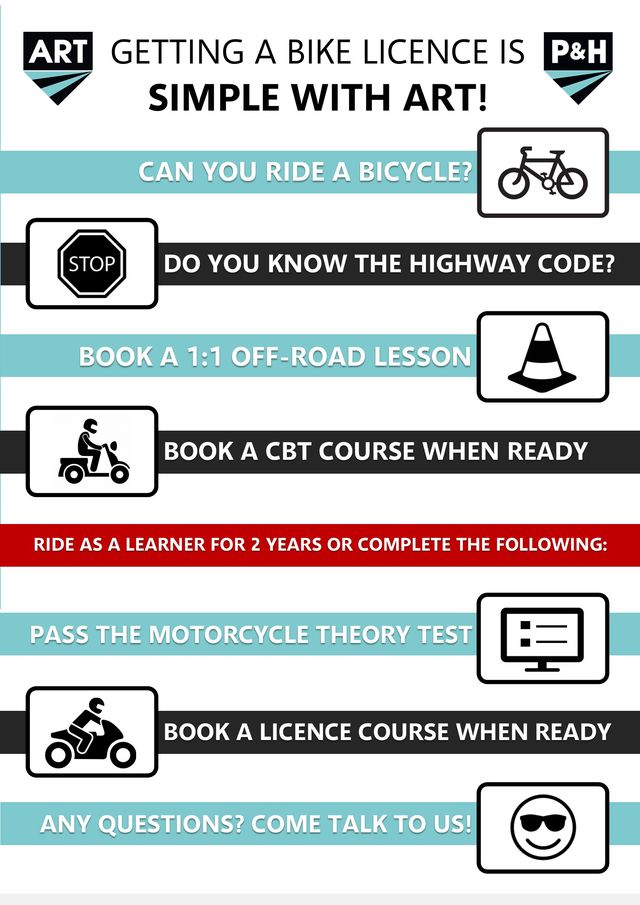
The first step towards your A1 Motorcycle Licence is the Compulsory Basic Training (CBT). This training is essential for all new riders. It teaches the basics of motorcycle control. You will learn how to start, stop, and maneuver your bike.
CBT consists of five elements. These include introduction and eyesight check, on-site training, on-site riding, on-road training, and on-road riding. The goal is to make sure you can ride safely on your own.
Theory Test
After completing your CBT, you need to pass the theory test. This test has two parts: multiple choice questions and hazard perception. The questions cover various topics. These include road signs, riding laws, and safety rules.
The hazard perception part tests your ability to spot potential dangers on the road. You will watch video clips and identify hazards. Passing the theory test is crucial before you can take the practical test.
Practical Test
The final step is the practical test. This test is divided into two modules. Module 1 tests your motorcycle handling skills. You will perform maneuvers in a safe, off-road area. These include slalom, figure of eight, and emergency stop.
Module 2 is an on-road test. It assesses your ability to ride safely in real traffic conditions. The examiner will check your riding skills, awareness, and road positioning. Passing both modules means you earn your A1 Motorcycle Licence.
Costs Involved
Getting an A1 Motorcycle Licence can be an exciting journey. But it’s also important to know the costs involved. From initial application fees to the expenses for training and tests, understanding these costs can help you budget better. Let’s break it down step by step.
Application Fees
The first step to obtaining your A1 Motorcycle Licence involves submitting an application. This process includes a fee, which can vary depending on your location. Typically, you should expect to pay around $50 to $100 for the application. It’s always a good idea to check the specific requirements and fees in your area before you start.
Training And Test Fees
Once your application is approved, the next step is training and testing. This part is crucial as it prepares you for safe riding. Here’s a breakdown of the typical costs:
- Training Courses: These can range from $200 to $500 depending on the training school and the length of the course. Some schools offer packages that include both training and testing.
- Theory Test: The theory test usually costs around $30 to $50. This test ensures you understand the rules of the road and basic motorcycle safety.
- Practical Test: The practical test fee can vary, but it generally falls between $60 to $100. This test assesses your actual riding skills.
In total, you might spend anywhere from $300 to $650 for training and tests. However, investing in quality training is worth every penny for your safety and confidence on the road.
So, what do you think? Are you ready to embark on the journey to get your A1 Motorcycle Licence? Don’t let the costs deter you. With proper planning and budgeting, you can manage these expenses smoothly. Happy riding!
Benefits Of A1 Licence
Gaining an A1 Motorcycle Licence can open up a whole new world of opportunities and freedom on two wheels. It’s not just about hopping onto a bike and hitting the open road. The benefits of this licence are numerous, and they go beyond the mere thrill of riding. Let’s dive into why obtaining an A1 Licence is a smart move.
Legal Riding
One of the most obvious benefits of having an A1 Licence is the legal right to ride. With this licence, you can legally ride motorcycles up to 125cc. This includes a wide variety of models, from sleek sports bikes to practical commuter scooters.
Imagine the convenience of zipping through traffic legally, without the constant worry of getting pulled over. Sounds good, right? Plus, knowing that you’re riding within the law gives you peace of mind and enhances your overall riding experience.
Insurance Benefits
Did you know that having an A1 Licence can actually help you save money on insurance? Insurance companies often view licenced riders as more responsible and experienced. This can lead to lower premiums compared to those who ride without proper certification.
Here’s a simple table to illustrate potential savings:
| Licence Status | Average Insurance Premium |
|---|---|
| Without A1 Licence | $500/year |
| With A1 Licence | $350/year |
As you can see, the savings can be significant. And who wouldn’t like to keep some extra cash in their pocket?
In summary, the A1 Licence isn’t just a piece of paper. It’s a ticket to legal and worry-free riding, along with some sweet savings on insurance. So why wait? Start your journey towards getting an A1 Licence today!
Limitations Of A1 Licence
Getting an A1 Motorcycle Licence can feel like you’ve just found your wings. But as with most things in life, there are some strings attached. While you gain the freedom to ride, there are certain limitations to keep in mind. Knowing these can help you stay safe and legal on the road.
Engine Power Restrictions
One of the most important limitations of the A1 Licence is the restriction on engine power. With an A1 Licence, you can ride motorcycles with an engine capacity up to 125cc. The power output must not exceed 11 kW (about 14.75 horsepower). This means you can’t hop on a high-powered bike and zoom down the highway. But don’t fret! Many 125cc bikes are perfect for city commuting and short trips.
| Licence Type | Engine Capacity | Power Output |
|---|---|---|
| A1 Licence | Up to 125cc | Up to 11 kW |
Choosing the right bike within these limits is crucial. Not only does it keep you within legal boundaries, but it’s also about finding a bike that’s comfortable and safe for you.
Highway Restrictions
Another limitation to be aware of is highway restrictions. With an A1 Licence, you should avoid certain highways and motorways. These roads are designed for faster, more powerful vehicles. Riding a 125cc bike on these roads can be risky, both for you and other drivers. Stick to city roads and smaller highways where your bike’s capabilities match the traffic conditions.
Why is this important? Well, imagine trying to keep up with cars traveling at 70 mph on a bike that’s struggling at 50 mph. It’s not just stressful; it’s dangerous. So, play it safe and plan your routes carefully.
Remember, riding within the limitations of your licence isn’t about holding you back. It’s about ensuring you’re safe and confident on the road. As you gain more experience, you can always upgrade to a higher class of licence and enjoy more freedom.
Credit: www.youtube.com
Upgrading To Higher Licences
Upgrading to a higher motorcycle licence opens new opportunities for riders. It allows access to more powerful motorcycles. This section explores the upgrade paths available. We’ll discuss the A2 Licence and the Full Motorcycle Licence.
A2 Licence
The A2 Licence is the next step after the A1 Licence. It permits riding motorcycles with a power output up to 35 kW. Riders must be at least 19 years old. You need to pass a practical test to obtain this licence. Training schools offer courses to help you prepare.
With an A2 Licence, you can ride a wider range of motorcycles. It provides more flexibility and freedom. Many riders find this licence suitable for their needs.
Full Motorcycle Licence
The Full Motorcycle Licence is the ultimate goal for many riders. It allows you to ride any motorcycle without restrictions. To qualify, you must be at least 24 years old. Alternatively, you can be 21 if you have held an A2 Licence for two years.
This licence requires passing a series of tests. These include both theory and practical assessments. Proper training is essential to succeed. Many training schools offer comprehensive courses. These courses ensure you are well-prepared.
With a Full Motorcycle Licence, you can enjoy the full potential of motorcycling. It grants the freedom to ride any motorcycle of your choice. This licence represents the highest level of motorcycle riding proficiency.
Credit: www.artmotorcycletraining.com
Frequently Asked Questions
What Is The Difference Between A1 And A2 Motorcycle Tests?
A1 motorcycle tests are for light motorcycles up to 125cc, while A2 tests are for medium motorcycles up to 35kW.
What Size Bike Can I Ride On An A1 Licence?
You can ride a motorcycle up to 125cc with an A1 licence. The power must not exceed 11 kW.
What’s The Difference Between A1 And A2?
A1 milk contains only A1 beta-casein protein, while A2 milk contains only A2 beta-casein protein. A2 milk is easier to digest for some people.
What Is An A1 Driver’s License?
An A1 driver’s license allows you to ride light motorcycles up to 125cc. It is ideal for beginners.
Conclusion: What is an A1 Motorcycle Licence
An A1 Motorcycle Licence offers exciting opportunities. It allows riding lightweight motorcycles. Suitable for beginners, it provides essential riding experience. This licence is a great first step. It helps in gaining confidence on the road. Remember to follow all safety rules.
Enjoy the freedom and convenience it brings. Happy and safe riding!


