Most motorcycle accidents occur during specific times. Understanding these can help reduce risks.
Motorcycle accidents often happen during weekends and evenings. These periods see higher traffic and more drivers under the influence. Weather conditions also play a role, with more accidents in warmer months when more riders are out. Commuting hours, especially in urban areas, are another high-risk time due to increased traffic congestion.
Knowing when most accidents occur can help motorcyclists plan safer rides. By avoiding peak accident times and being extra cautious, riders can reduce their chances of being involved in a crash. Stay safe and ride smart by understanding these patterns.

Credit: www.straccilaw.com
Peak Accident Times
Most motorcycle accidents happen during the evening rush hour. This is between 3 PM and 6 PM. Drivers are tired and in a hurry. On weekdays, there are more cars on the road. This increases the chances of accidents. Weekends also see many accidents. Riders often take long trips. They ride for fun. But there are fewer cars on the road compared to weekdays. So, the nature of accidents can be different.
Summer has the highest number of motorcycle accidents. The weather is warm and pleasant. Riders are more active. Winter sees fewer accidents. The cold weather keeps many riders off the roads. Spring and fall have moderate accident rates. Changes in weather can catch riders off guard. Rain and wet leaves can be dangerous.
Common Accident Locations
Most motorcycle accidents occur at intersections and during left-hand turns. High traffic areas and rural roads are also common locations.
Urban Areas
Motorcycle accidents often happen in urban areas. There are many vehicles and people. Traffic is heavy and drivers can be distracted. Intersections are common places for crashes. Many accidents occur when cars make left turns. Riders need to be extra careful here.
Rural Roads
Accidents also happen on rural roads. These roads can be narrow and winding. There might be poor visibility around bends. Animals can cross the road suddenly. Riders may speed due to less traffic. Always watch out for hidden driveways and gravel patches. Stay alert and ride safely.
Influence Of Weather
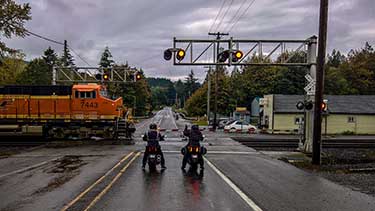
Rain makes roads slippery and hard to see. Puddles can cause hydroplaning. Motorcycles may slip and slide. Riders need to be extra careful in the rain. Wet roads reduce tire traction. This makes stopping harder. Ride slowly and keep a safe distance. Avoid sudden movements.
Fog reduces visibility. It becomes hard to see other vehicles. Motorcycles are smaller and harder to spot. Use headlights to improve visibility. Keep a safe distance from other cars. Slow down and be cautious. Fog makes it hard to judge distances. Stay alert and focused on the road.
Credit: www.sutliffstout.com
Impact Of Daylight
Most motorcycle accidents happen during the day. Bright light can blind riders. Heavy traffic also increases risk. Many people drive to work or school. This can cause more crashes. Riders might feel safer in daylight. This can lead to mistakes. Distractions are more common too. Phones and other gadgets can be a danger. Always stay alert on the road.
Riding at night is very dangerous. Low visibility makes it hard to see. Other drivers may not see you. Street lights help but not enough. Fewer cars are on the road. This can make riders go too fast. Fatigue is a big problem. Riders are often tired at night. Animals can also be a threat. They come out more after dark. Always use headlights and wear bright clothes.
Demographics Of Riders
Motorcycle accidents often occur between 3 PM and 6 PM. Evening rush hours see more incidents due to increased traffic. Riders should be extra cautious during these peak times.
Age Groups
Most motorcycle accidents involve younger riders. Riders aged 18 to 24 are often in these accidents. They may take more risks. Riders aged 25 to 34 also see high accident rates. Older riders, aged 45 and above, have fewer accidents. They often ride more carefully. Age plays a big role in accident statistics.
Experience Levels
New riders are more likely to crash. They lack experience. Beginners may not know how to handle all situations. Intermediate riders still have accidents. They might feel overconfident. Expert riders have the fewest accidents. They know how to avoid danger. Experienced riders also have better bike control. Experience helps prevent accidents.
Alcohol And Drug Influence
Many motorcycle accidents happen due to alcohol and drugs. DUI stands for driving under the influence. Statistics show that 30% of motorcycle accidents involve alcohol.
Even small amounts of alcohol can affect a rider’s skills. Reaction time slows down. Judgment gets impaired. This increases the risk of accidents.
Drugs and alcohol affect the brain. They cause poor decisions. This makes riding unsafe. Alcohol lowers concentration. Drugs can cause drowsiness. Both can make riders lose control.
Substances also affect balance. Motorcyclists need good balance to ride safely. Without it, they may crash. Alcohol and drugs make it harder to stay upright. Always ride sober. Safety first.
Speed And Reckless Driving
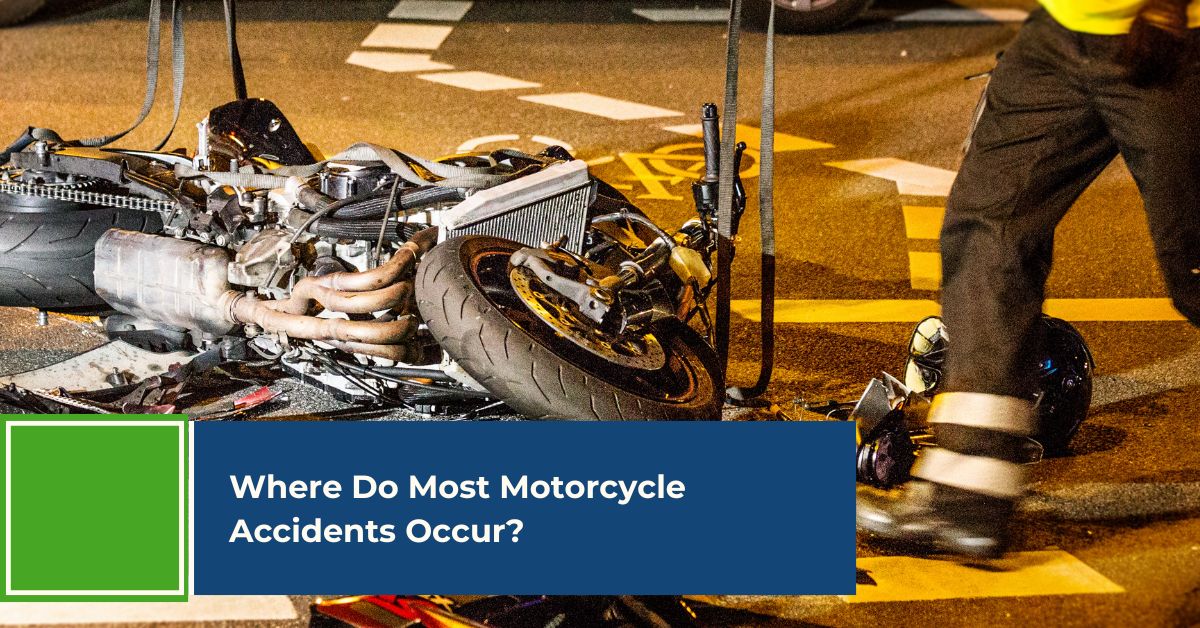
High speeds reduce reaction time. This makes crashes more likely. Many riders go over the speed limit. Speeding is a big cause of accidents. It is hard to control the bike at high speeds. Obstacles on the road can cause crashes. Wet or icy roads are even more dangerous. Riders should always ride within the speed limit.
Some riders take risks. Aggressive maneuvers like sharp turns and sudden lane changes are dangerous. They can lead to collisions. Other drivers may not see these fast moves. It is important to signal before turning. Riders should avoid weaving in and out of traffic. Safe driving saves lives.
Credit: www.amourgis.com
Safety Measures
Motorcycle accidents often occur during weekends and at night. Riders should always wear helmets and reflective gear. Reducing speed and avoiding alcohol can help prevent crashes.
Helmet Use
Wearing a helmet can save your life. It protects your head in a crash. Helmets reduce the risk of head injury by 69%. They also lower the chance of death by 42%. Choose a helmet that fits well. It should not be too loose or too tight. Look for helmets with a DOT or ECE label. These labels mean the helmet meets safety standards. Replace your helmet after a crash. Helmets get damaged, even if you can’t see it.
Protective Gear
Protective gear includes jackets, gloves, pants, and boots. These items shield your body from injuries. Jackets with armor protect your chest and back. Gloves guard your hands and wrists. Pants with padding protect your legs. Boots offer support to your ankles and feet. Wear gear made from strong materials. Leather and textiles are good choices. Gear should fit snugly but be comfortable. Avoid loose clothing. It can get caught in the bike.
Frequently Asked Questions
Where Do 70% Of Motorcycle Accidents Occur?
70% of motorcycle accidents occur at intersections. Riders must stay alert and cautious while approaching and crossing intersections.
At What Speed Do Most Motorcycle Accidents Occur?
Most motorcycle accidents occur at speeds below 30 mph. Riders often face hazards in urban and residential areas.
What Time Of Day Is A Motorcycle Vehicle Crash Most Likely To Occur?
Motorcycle crashes are most likely to occur during late afternoon and early evening, especially between 3 PM and 6 PM.
Do Most Motorcycle Accidents Happen At Night?
Most motorcycle accidents do not occur at night. Many happen during the day, especially during rush hours. Riding visibility is crucial.
Conclusion
To stay safe on the road, always be alert. Accidents often happen during rush hours and weekends. Watch out for distracted drivers and poor weather conditions. Wear protective gear every time you ride. Follow traffic rules and maintain your motorcycle well.
Safety should always be your top priority. Keep these tips in mind to reduce your risk. Ride smart and stay safe.


