
A motorcycle battery can drain for several reasons. It can be frustrating and inconvenient.
Understanding the causes of why is my motorcycle battery draining fast can help you prevent it. Motorcycle batteries are essential for starting the engine and powering electrical systems. A drained battery can leave you stranded. Common reasons include faulty charging systems, parasitic drains, or old batteries. Identifying the root cause is crucial for a reliable ride.
This blog will explore the most common reasons for motorcycle battery drainage. We will provide tips to keep your battery healthy and ensure your bike is always ready to go. Whether you’re a seasoned rider or a beginner, understanding battery issues is vital for a smooth ride. Let’s dive in and solve the mystery of your draining motorcycle battery.

Credit: www.partzilla.com
Frequent Short Rides
Frequent short rides can be a joy for many motorcycle enthusiasts. These quick trips can provide a sense of freedom and adventure. But they can also have a negative impact on your motorcycle’s battery. Understanding how frequent short rides affect your battery can help you take steps to prevent it from draining too quickly.
Impact On Battery
Short rides do not allow the battery to fully recharge. The alternator needs time to recharge the battery after each start. When rides are too short, the battery doesn’t get fully charged.
This repeated undercharging can damage the battery over time. It leads to a shorter battery lifespan. The battery can also lose its ability to hold a charge.
Preventive Measures
To prevent battery drain, consider the following tips:
- Take longer rides to ensure the battery fully recharges.
- Use a battery tender or charger when the motorcycle is not in use.
- Check the battery’s charge level regularly.
- Keep the battery clean and free from corrosion.
Implementing these measures can help maintain your battery’s health. Regular maintenance can prolong the battery’s life. It ensures your motorcycle is always ready for the next ride.
Parasitic Drains
Is your motorcycle battery draining faster than expected? It might be due to parasitic drains. Parasitic drains occur when certain components continue to draw power from the battery even when the motorcycle is off. This can lead to a dead battery and leave you stranded.
Common Sources
Parasitic drains can come from various sources. Here are some common ones:
- Faulty Wiring: Damaged or frayed wires can cause unintended power draw.
- Aftermarket Accessories: Extra lights or sound systems might not be wired properly.
- ECU Malfunctions: The Engine Control Unit can sometimes draw power even when the bike is off.
- Alarm Systems: An alarm system can drain the battery over time.
Detection Methods
Detecting parasitic drains requires some detective work. Here are a few methods to consider:
- Visual Inspection: Check all wiring and connections for damage or wear.
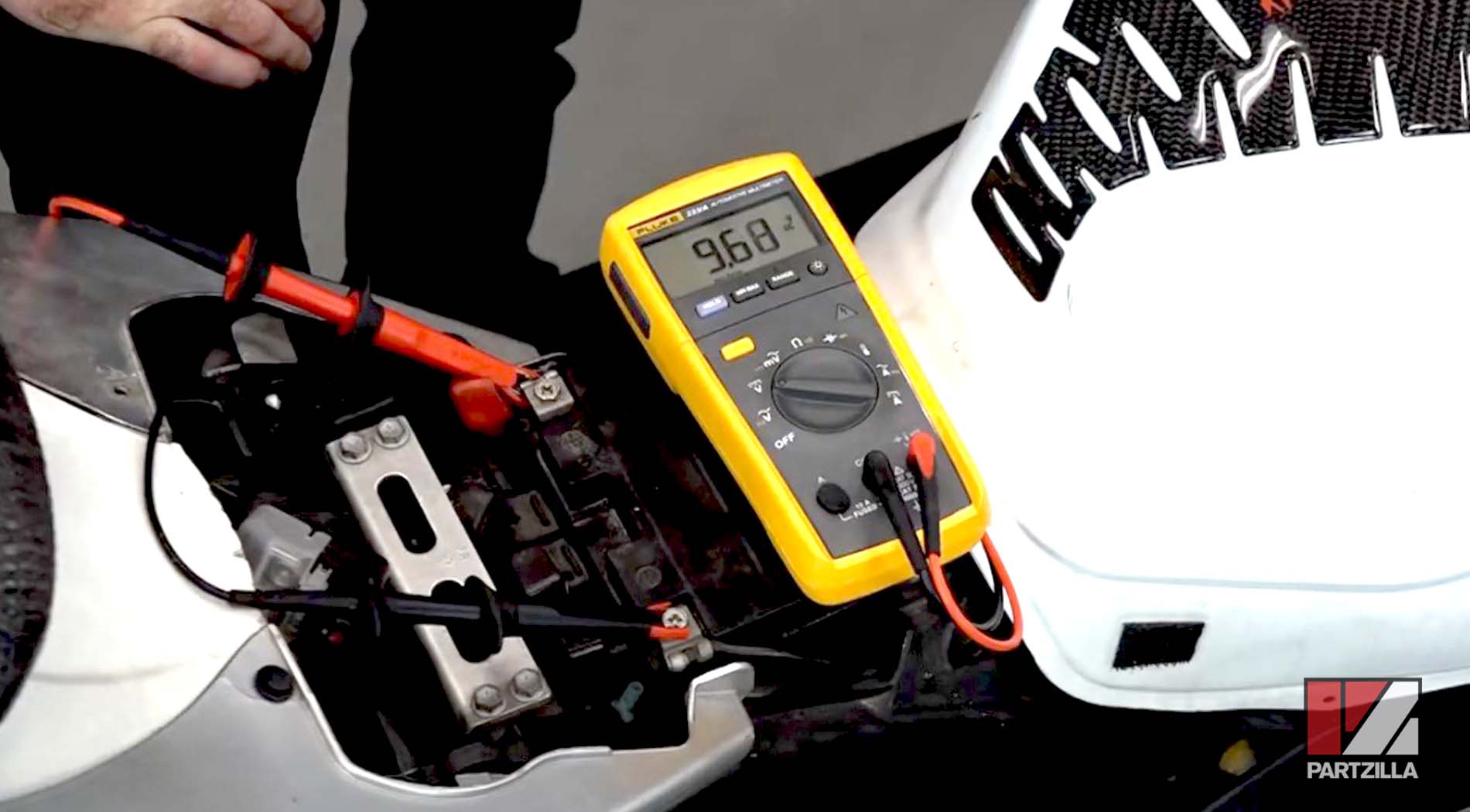
- Multimeter Test: Use a multimeter to measure current draw when the bike is off.
- Fuse Pulling: Remove fuses one at a time to identify the circuit causing the drain.
- Professional Help: Sometimes, a visit to a mechanic is the best option.
By understanding parasitic drains and their common sources, you can prevent battery issues. Use the detection methods above to identify and fix the problem moreover , to read about Motorcycle Battery Gets Hot When Charging check out for better info .
Faulty Charging System
One of the main reasons your motorcycle battery might be draining is due to a faulty charging system. The charging system is crucial for maintaining the battery’s charge and ensuring your motorcycle runs smoothly. Without it, your battery can drain quickly, leaving you stranded. Let’s explore how you can identify and address issues with the charging system.
Signs Of Failure
Recognizing the signs of a faulty charging system can save you from unexpected breakdowns. Here are some common signs:
- Dim or flickering headlights: This suggests the battery isn’t receiving enough charge.
- Frequent need to recharge: If your battery needs constant recharging, the system may be faulty.
- Slow engine start: A weak battery can cause the engine to crank slowly.
- Dashboard warning lights: These lights can indicate charging issues.
Repair Tips
If you suspect your charging system is faulty, here are some tips to help you fix it:
- Check the connections: Ensure all connections are secure and free from corrosion.
- Inspect the alternator: Use a multimeter to check if the alternator is working properly.
- Examine the voltage regulator: Test it to ensure it’s regulating voltage correctly.
- Replace worn-out parts: If any parts are damaged, replace them with new ones.
- Consult a professional: If you’re unsure, seek help from a motorcycle mechanic.
By addressing these issues, you can keep your motorcycle’s battery healthy and avoid unexpected breakdowns.
Credit: www.partzilla.com
Old Or Defective Battery
An old or defective motorcycle battery often causes battery draining issues. Over time, all batteries lose their ability to hold a charge. This is a common problem in older motorcycles, which often have batteries that need replacement.
Lifespan Expectations
The average lifespan of a motorcycle battery ranges from 2 to 5 years. Factors like usage, maintenance, and climate affect this lifespan. Regularly check your battery’s age and performance. If your battery is over 3 years old, it may start to show signs of wear.
Here is a table showing the expected lifespan based on maintenance levels:
| Maintenance Level | Expected Lifespan |
|---|---|
| High Maintenance | 4-5 years |
| Moderate Maintenance | 3-4 years |
| Low Maintenance | 2-3 years |
Replacement Advice
If your battery is nearing the end of its lifespan, consider replacement. Start by checking the battery’s voltage with a multimeter. A fully charged battery should read around 12.6 volts. If it reads lower, it might be time for a new battery.
Here are some steps to replace your motorcycle battery:
- Turn off your motorcycle and remove the key.
- Locate the battery compartment. This is usually under the seat or side panels.
- Disconnect the negative terminal first, then the positive.
- Remove the old battery and clean the terminals.
- Insert the new battery and connect the positive terminal first, then the negative.
- Secure the battery in its compartment and close the cover.
Always dispose of old batteries properly. Many auto parts stores offer battery recycling services.
Corroded Or Loose Connections
One common issue leading to a motorcycle battery draining is corroded or loose connections. These connections can severely impact the battery’s performance. Corrosion and looseness can disrupt the electrical flow, causing the battery to deplete faster than usual. Addressing these issues can help extend your battery’s life and ensure a smooth ride.
Symptoms
Identifying the symptoms of corroded or loose connections can help you act quickly. Here are some common signs:
- Flickering lights
- Difficulty starting the motorcycle
- Intermittent power loss
- Visible corrosion on battery terminals
- Loose or frayed wires
Maintenance Tips
Proper maintenance can prevent these issues. Follow these tips to keep your battery connections in good shape:
- Regular Inspection: Check battery terminals and wires for corrosion or looseness.
- Clean Terminals: Use a mixture of baking soda and water to clean corrosion.
- Tighten Connections: Ensure all connections are snug and secure.
- Use Dielectric Grease: Apply this grease to terminals to prevent future corrosion.
- Replace Damaged Wires: If wires are frayed or damaged, replace them immediately.
Keeping your motorcycle battery connections clean and tight can prevent many battery-related issues. Regular maintenance ensures a longer battery life and a more reliable ride. Read more about Essential Tips to Prevent Your Motorcycle Draining Battery While Off!.

Credit: m.youtube.com
Extreme Temperatures
Extreme temperatures can have a significant impact on your motorcycle battery. Whether it’s scorching heat or freezing cold, these conditions can cause your battery to drain faster than usual. Understanding how temperature affects your battery can help you take steps to protect it.
Effects On Battery
Extreme temperatures can affect your motorcycle battery in several ways. In hot weather, the battery fluid can evaporate, leading to a lower charge. This can cause your battery to work harder, draining it more quickly. On the other hand, in cold weather, the chemical reactions inside the battery slow down. This makes it difficult for the battery to provide enough power.
| Temperature | Effect on Battery |
|---|---|
| Hot Weather | Fluid evaporation, reduced charge |
| Cold Weather | Slower chemical reactions, lower power output |
Protective Measures
To protect your battery from extreme temperatures, you can take several measures. First, try to store your motorcycle in a garage or covered area. This will help shield it from direct sunlight in the summer and freezing temperatures in the winter.
For hot weather, check the battery fluid level regularly. If it is low, top it up with distilled water. Avoid overcharging the battery, as this can increase fluid evaporation.
In cold weather, consider using a battery tender. This device keeps your battery charged and prevents it from freezing. Additionally, start your motorcycle regularly. This helps keep the battery warm and maintains its charge.
- Store in a garage or covered area
- Check and top up battery fluid
- Avoid overcharging
- Use a battery tender in winter
- Start motorcycle regularly in cold weather
By understanding the effects of extreme temperatures and taking protective measures, you can extend the life of your motorcycle battery.
Overuse Of Electrical Accessories
Overusing electrical accessories can drain your motorcycle battery fast. Many riders enjoy adding gadgets to their bikes. GPS systems, heated grips, and powerful lights are popular. They enhance the riding experience. But these accessories can also wear down your battery.
Impact On Battery Life
Electrical accessories can significantly reduce battery life. High-power items like extra lights and heated gear draw a lot of power. This constant drain can weaken your battery over time. Even when the bike is off, some accessories may still pull power. This slow drain can leave you with a dead battery.
Short trips can also impact battery life. Your bike’s alternator needs time to recharge the battery. Frequent short rides might not give it enough time. This can lead to a gradual loss of battery power.
Management Strategies
Managing your electrical accessories can extend battery life. Start by prioritizing essential items. Only use accessories that you really need. For example, turn off heated grips when not necessary.
Use a battery tender. This device keeps your battery charged when your bike is not in use. It is especially helpful during winter months.
| Accessory | Power Usage |
|---|---|
| GPS System | Low |
| Heated Grips | High |
| Extra Lights | High |
Finally, conduct regular battery maintenance. Clean terminals and check connections. This can prevent unexpected battery drain and extend its life.
Improper Storage
Improper storage is a common reason for a motorcycle battery to drain. Many riders overlook the importance of storing their bikes correctly. This can lead to battery issues. Let’s explore how storage conditions and battery care play a crucial role.
Storage Conditions
The place where you store your motorcycle matters. A damp or cold environment can harm the battery. Always choose a dry, cool location. Extreme temperatures, whether hot or cold, can reduce the battery’s lifespan.
Use a garage or a shed with proper ventilation. Avoid storing your bike outside. If you must store it outside, use a waterproof cover. This helps protect the battery from moisture and temperature changes.
Battery Care During Storage
Proper battery care during storage is essential. Before storing your motorcycle, charge the battery fully. A fully charged battery lasts longer and performs better.
- Disconnect the battery if you plan to store the bike for more than a month.
- Clean the battery terminals to prevent corrosion.
- Use a battery tender to maintain the charge.
These steps help keep the battery in good shape. Neglecting them can lead to a dead battery when you need it most.
| Tip | Reason |
|---|---|
| Store in a dry, cool place | Prevents moisture and temperature damage |
| Use a battery tender | Maintains the battery’s charge |
| Clean terminals | Avoids corrosion |
Frequently Asked Questions
Why Is My Motorcycle Battery Draining Quickly?
A motorcycle battery can drain quickly due to faulty charging systems, leaving lights on, or old batteries. Regular maintenance is crucial.
How Can I Prevent Motorcycle Battery Drain?
To prevent battery drain, ensure regular charging, turn off lights, and inspect electrical components. Proper storage also helps.
Can A Bad Alternator Drain My Battery?
Yes, a faulty alternator can cause your battery to drain. It’s important to get it checked and replaced if necessary.
What Are Common Signs Of A Draining Motorcycle Battery?
Common signs include dim lights, slow engine start, and frequent need for jump-starts. Regular checks can help identify issues early.