
Finding the right motorcycle helmet size is crucial for safety and comfort. A helmet that fits well can protect you better in an accident.
Choosing the perfect helmet size may seem tricky, but it’s easier than you think. How do I know what size motorcycle helmet I need? Knowing how to measure your head and understanding helmet sizes can make a big difference. A well-fitted helmet not only keeps you safe but also makes your ride more enjoyable.
In this guide, we will explain how to determine the correct helmet size for you. This will help you ride with confidence and peace of mind. Let’s get started on finding your perfect fit!
Importance Of Helmet Fit
The importance of helmet fit cannot be overstated. A properly fitting helmet is crucial for both safety and comfort. Wearing the right helmet can save your life in an accident. It can also enhance your riding experience.
Safety Considerations
A well-fitted helmet protects your head in a crash. It absorbs impact and reduces the risk of serious injury. A loose helmet may come off during an accident. A tight helmet can cause headaches and distract you from riding.
Here are some key points to consider:
- A snug fit is essential for safety.
- The helmet should not move when you shake your head.
- The chin strap should be secure, but not too tight.
Comfort And Performance
Comfort plays a significant role in your riding experience. An uncomfortable helmet can lead to fatigue and distractions. A good fit enhances performance and concentration.
Consider the following for comfort:
- Inner Padding: Soft and well-placed padding improves comfort.
- Ventilation: Proper airflow prevents overheating.
- Weight: A lightweight helmet reduces neck strain.
A table can help illustrate the differences between a good fit and a bad fit:
| Criteria | Good Fit | Bad Fit |
|---|---|---|
| Helmet Movement | Minimal | Excessive |
| Chin Strap | Secure | Loose |
| Comfort | High | Low |
| Pressure Points | None | Many |
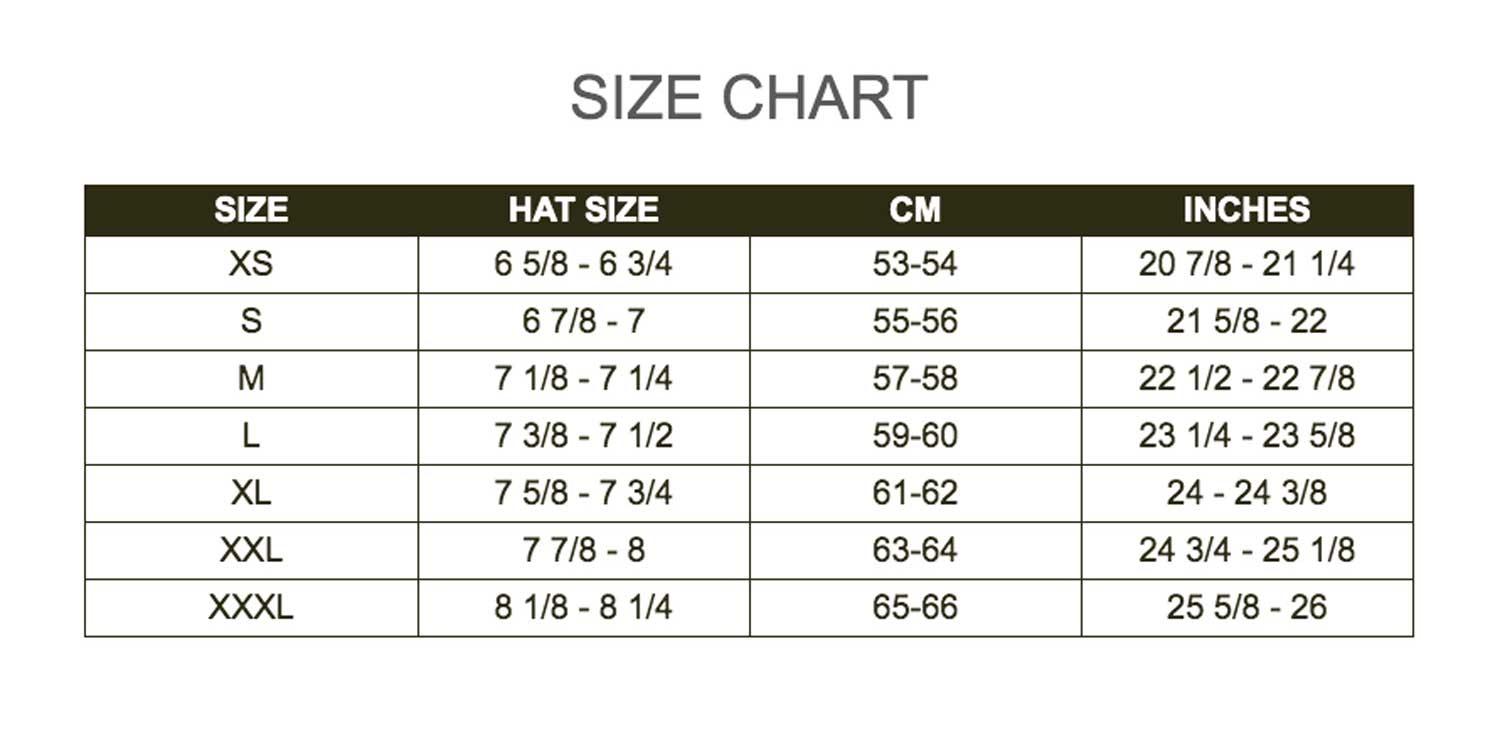
Credit: www.motorcyclistonline.com
Measuring Your Head
Choosing the right size motorcycle helmet is crucial for safety. An ill-fitting helmet can be both uncomfortable and dangerous. Measuring your head properly ensures a snug and secure fit. Follow these steps to find the perfect helmet size.
Tools Needed
Before you start, gather these tools:
- Flexible measuring tape
- Mirror or a friend to help
- Notepad and pen
Step-by-step Guide
Follow these steps to measure your head accurately:
- Stand in front of a mirror for better visibility.
- Wrap the measuring tape around your head.
- Position it just above your eyebrows and ears.
- Ensure the tape is level all the way around.
- Note the measurement in centimeters or inches.
- Double-check the measurement for accuracy.
- Compare your measurement to the helmet size chart.
Use these steps to ensure a perfect fit every time you buy a helmet.
Helmet Size Charts
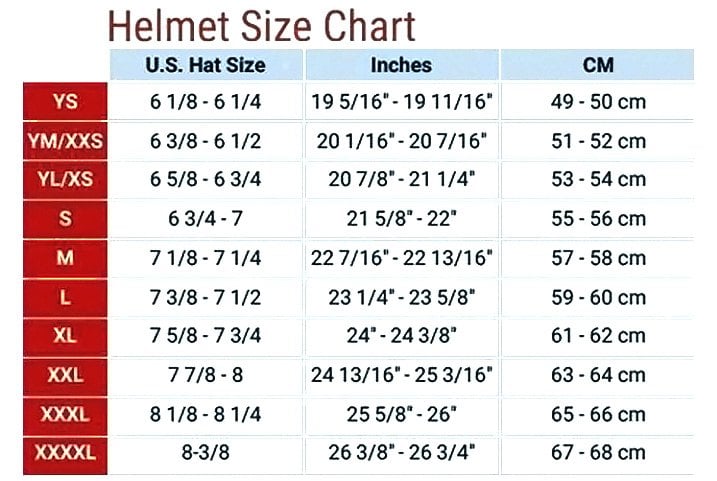
Finding the right helmet size is crucial for safety and comfort. Helmet size charts help you find the perfect fit. They convert head measurements into helmet sizes. This makes the process simpler and more accurate. Understanding these charts ensures your helmet fits snugly.
Understanding Sizes
Helmet size charts typically list sizes in centimeters or inches. Measure your head’s circumference above the eyebrows and ears. Compare this measurement to the chart. Each size corresponds to a specific range of measurements. This helps you find the closest match.
Some charts include small, medium, large, and extra-large sizes. Each size covers a range of head circumferences. Ensure your head measurement falls within the size range. This ensures a proper fit.
Brand Variations
Not all brands use the same sizing charts. Different brands may have slight variations in their sizes. A medium in one brand might be a large in another. Always check the specific brand’s size chart before buying.
Some brands offer more detailed sizing. They may have intermediate sizes like small-medium or medium-large. These sizes provide a better fit for those between standard sizes. Always refer to the brand’s chart for the most accurate fit.
Trying on helmets from different brands can help. It ensures you find the most comfortable and secure fit. Remember, the right size helmet is key to your safety and comfort.
Types Of Helmets
Choosing the right motorcycle helmet is crucial for your safety. The first step is understanding the different types of helmets available. Each type offers unique features and levels of protection. This guide will help you understand the various helmet styles and their benefits.
Full-face
Full-face helmets provide the most comprehensive protection. They cover your entire head, including the chin and face. This design offers excellent impact resistance. The visor protects your eyes from debris and wind. Full-face helmets are ideal for high-speed riding and long trips.
Open-face
Open-face helmets cover the top and sides of your head. They leave your face exposed. These helmets offer a wider field of vision. They are lighter and more comfortable. Many riders prefer them for city rides and short distances. You can wear goggles or sunglasses for eye protection.
Modular
Modular helmets combine features of full-face and open-face helmets. You can flip up the chin bar when needed. This versatility makes them popular among touring riders. They provide full-face protection when closed. You can enjoy the open-face feel during breaks or low-speed rides.
Trying On Helmets
Finding the right size motorcycle helmet can be challenging. Trying on helmets is a crucial step in ensuring safety and comfort. This section will guide you through the process to find the perfect fit.
Initial Fit
When you first put on a helmet, it should fit snugly. A good fit means the helmet touches all parts of your head. It should not feel too tight or too loose. If it moves around easily, it is too big.
Check the fit by shaking your head from side to side. The helmet should stay in place. If it shifts, try a smaller size. Remember, the interior padding will compress over time, so a slightly snug fit is ideal.
Pressure Points
After wearing the helmet for a few minutes, check for pressure points. These are areas where the helmet feels uncomfortable or painful. Common pressure points include the forehead and temples.
If you feel any discomfort, the helmet may not be the right shape for your head. Try a different model or brand. Manufacturers design helmets with different head shapes in mind. Finding one that matches your head shape is essential for comfort.
| Head Shape | Helmet Type |
|---|---|
| Round Oval | Round helmets |
| Intermediate Oval | Most common helmet shape |
| Long Oval | Longer helmets |
Remember, the right helmet should fit snugly and be comfortable. Use these tips to find the perfect helmet for your safety and comfort.
Adjusting Helmet Fit
Finding the right motorcycle helmet size is crucial for safety and comfort. Once you have the correct size, you need to adjust the fit. Proper adjustments ensure the helmet stays in place and protects you during rides. Let’s dive into the key aspects of adjusting helmet fit.
Padding Adjustments
Padding inside the helmet plays a key role in fit and comfort. Here’s how to adjust it:
- Check the Padding: Ensure the padding is evenly distributed.
- Replaceable Pads: Some helmets come with replaceable pads. Swap them if necessary.
- Proper Thickness: Select padding that fits snugly without causing discomfort.
Remember, the helmet should feel snug but not tight. The pads should touch your head evenly. If you feel pressure points, adjust or change the padding.
Strap Adjustments
Straps are essential for keeping the helmet secure. Follow these steps for a perfect strap adjustment:
- Position the Helmet: Place the helmet level on your head.
- Adjust the Chin Strap: Tighten the chin strap so it’s snug.
- Check the Fit: The strap should be tight enough to hold the helmet in place, but not so tight that it’s uncomfortable.
Test the fit by moving the helmet side to side and up and down. It should stay in place without excessive movement. If it shifts, adjust the straps again.
| Adjustment | Steps |
|---|---|
| Padding |
|
| Straps |
|
Proper adjustments ensure your helmet provides maximum protection and comfort. Always double-check the fit before every ride.
Common Fit Issues
Finding the perfect helmet size can be tricky. Many riders face common fit issues that affect comfort and safety. It’s crucial to know these problems to ensure a proper fit. Let’s explore the two most frequent issues: a helmet that’s too tight and one that’s too loose.
Helmet Too Tight
A helmet that is too tight can cause discomfort and headaches. It may leave red marks on your forehead. You might feel pressure around your temples and cheeks. This can lead to soreness after a short ride.
Here are some signs your helmet is too tight:
- Hard to put on and take off
- Pain around the head and face
- Cannot move your jaw freely
It’s important to select a helmet that fits snugly but does not cause pain.
Helmet Too Loose
A helmet that is too loose can be equally problematic. It can slide around your head while riding. This reduces protection and can be dangerous.
Signs of a loose helmet include:
- Helmet moves easily when you shake your head
- Can fit fingers between the helmet and your head
- Helmet shifts when you ride over bumps
Make sure your helmet stays firm on your head without moving.
| Fit Issue | Signs | Solution |
|---|---|---|
| Too Tight | Red marks, headaches, pressure | Try a size up |
| Too Loose | Slides, fingers fit inside | Try a size down |
Always test your helmet before buying. Wear it for a few minutes to check for fit issues. This ensures a comfortable and safe ride.
Credit: www.motorcycleid.com
Expert Recommendations
Choosing the right motorcycle helmet size is crucial for safety and comfort. Incorrect sizes can lead to discomfort and reduced protection. Expert recommendations can simplify this process. Here are some insights from professionals.
Professional Fitting Services
Many stores offer professional fitting services. Experts measure your head and suggest the best fit. This ensures you get a helmet that fits snugly and comfortably.
Here are steps you can expect during a fitting:
- Measurement of head circumference.
- Trial of different helmet sizes.
- Adjustments for a snug fit.
Taking advantage of these services can make a big difference. A properly fitted helmet can enhance safety and comfort.
Popular Helmet Brands
Several brands are known for their quality helmets. These brands offer a range of sizes and styles. Here are some popular options:
| Brand | Features |
|---|---|
| Bell | Known for safety and durability. Wide range of sizes available. |
| HJC | Offers comfort and advanced features. Affordable pricing. |
| Shoei | High-quality materials. Great for long rides. |
| Arai | Focus on safety. Customizable fit options. |
These brands are trusted by riders worldwide. They offer a variety of sizes to suit different head shapes.

Credit: billyscrashhelmets.co.uk
Frequently Asked Questions
How Do I Measure My Head For A Motorcycle Helmet?
Use a soft measuring tape around your head, just above your eyebrows. Measure the circumference. Match it with the helmet size chart.
What Should A Properly Fitting Helmet Feel Like?
A properly fitting helmet should be snug but not tight. It should not cause discomfort. No pressure points should be felt.
Can I Use My Hat Size To Determine Helmet Size?
Hat size can give a rough estimate. However, always measure your head circumference for an accurate helmet size.
How Often Should I Replace My Motorcycle Helmet?
Replace your helmet every 3-5 years or after any significant impact. Helmets deteriorate over time, reducing their effectiveness.
Conclusion
Choosing the right motorcycle helmet size is crucial for safety. Measure your head accurately. Use a soft measuring tape for best results. Compare your measurements with size charts. Try helmets on before buying. Ensure a snug, comfortable fit. Your helmet should not move when you shake your head.
Remember, a proper fit protects you better. Take your time and choose wisely. Your safety depends on it. Stay safe and enjoy your ride!