
Is it too late when the oil light comes on ? The oil light is one of the most critical indicators on your vehicle’s dashboard, signaling potential issues with your engine’s lubrication system. When the oil light illuminates, it can provoke panic among drivers, leading them to wonder if it’s too late to save their engine.
Understanding the implications of the oil light activation is crucial for maintaining vehicle health and ensuring safety on the road. The oil light can indicate low oil levels, low oil pressure, or even failures within the oil system.
Ignoring this warning can lead to severe engine damage, costly repairs, and safety risks. This article will explore what the oil light means, the actions to take when it illuminates, the causes of its activation, the risks of driving with it on, and preventive measures to avoid future occurrences.
By gaining a thorough understanding of these elements, drivers can ensure they are prepared to address oil light warnings effectively and maintain their vehicles’ longevity.
Table of Contents
- Understanding the Oil Light
- Causes of the Oil Light Activation
- Risks of Driving with the Oil Light On
- What to Do When the Oil Light Comes On
- How to Check Oil Levels
- Preventing Future Oil Light Issues
- Common Myths About Oil Light Warnings
- When to Call for Professional Help
Understanding the Oil Light
Understanding the oil light is essential for any driver. This section will cover the different types of oil lights, what they mean, and the importance of immediate action when they illuminate.
Types of Oil Lights
Vehicles typically feature various oil lights on the dashboard, primarily categorized into two types:
- Red Oil Pressure Light: Indicates a critical issue such as low oil pressure or potential oil pump failure.
- Yellow Oil Level Light: Alerts the driver that the oil level is low and needs to be replenished.
What Do the Lights Mean?
The red oil light signifies urgent issues that could lead to engine failure if not addressed immediately. In contrast, the yellow oil level light indicates that while oil levels are low, it may not be an immediate threat if action is taken quickly.
If the red light comes on, the driver should pull over and investigate as soon as it is safe.
Importance of Immediate Action
Immediate action is crucial when the oil light comes on. Delaying can lead to catastrophic engine damage, which might result in costly repairs or even complete engine failure.
Ignoring the oil light can be likened to ignoring a smoke alarm in your home; addressing the warning swiftly can prevent more significant consequences.
Causes of the Oil Light Activation
Understanding the causes of why the oil light may come on can help prevent engine damage. This section discusses various reasons, including low oil levels, faulty sensors, and oil pump failure.
Low Oil Levels
One of the most common reasons for the oil light activation is low oil levels. This can occur due to normal consumption, leaks, or insufficient oil changes.
Regularly checking and maintaining proper oil levels is essential for engine health.
Faulty Oil Pressure Sensor
A malfunctioning oil pressure sensor may also trigger the oil light. If the sensor fails, it might send incorrect readings to the dashboard, leading to unnecessary panic.
Therefore, if the oil light comes on but the oil level is adequate, the sensor should be checked.
Oil Pump Failure
If the oil pump fails, it cannot circulate oil throughout the engine, leading to low oil pressure. This is a critical issue that needs immediate attention, as it can cause severe engine wear and damage.
Understanding these causes can better prepare drivers for maintenance and potential repairs.
Risks of Driving with the Oil Light On
Driving with the oil light on can pose severe risks to both your vehicle and your safety. This section outlines the potential dangers associated with ignoring this warning.
Engine Failure
Continuing to drive with the oil light on can lead to engine failure. Without adequate oil pressure, the engine components can overheat and seize, leading to extensive damage and potentially requiring a complete engine replacement.
Increased Wear and Tear
Operating a vehicle without sufficient oil pressure increases friction between moving parts, leading to accelerated wear and tear. Over time, this can result in costly repairs and reduced vehicle lifespan.
Safety Risks
Beyond mechanical concerns, driving with the oil light on can pose safety risks. An engine failure while driving can lead to loss of control, causing accidents.
Therefore, it is crucial to take the oil light seriously and act immediately when it illuminates.
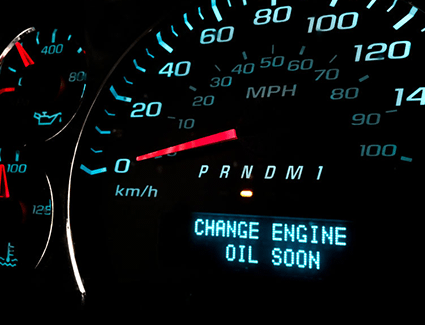
What to Do When the Oil Light Comes On
Knowing the correct steps to take when the oil light activates can prevent significant damage. This section provides a detailed guide on immediate actions.
Pull Over Safely
The first and most critical step is to pull over to a safe location as soon as possible. Continuing to drive can worsen the situation and lead to severe engine damage.
Check Oil Level
Once parked, the driver should check the oil level using the dipstick. If the oil is low, adding oil may resolve the issue temporarily.
However, if the oil level is adequate, further investigation is needed to determine the cause of the warning light.
Consult a Mechanic
If the oil light remains on after adding oil or if the oil level is sufficient, it’s crucial to consult a mechanic. A professional can perform diagnostic tests to identify underlying issues, such as a faulty oil pump or sensor, and recommend appropriate repairs.
How to Check Oil Levels
Understanding how to check oil levels is essential for maintaining vehicle health. This section outlines the steps to check oil accurately.
Proper Dipstick Usage
To check the oil level, locate the dipstick, remove it, and wipe it clean. Reinsert the dipstick fully and remove it again to check the oil level against the marked indicators.
Ensure the vehicle is on a level surface for accurate readings.
Signs of a Leak
While checking the oil level, look for signs of leaks under the vehicle. Puddles or stains can indicate a leaking oil pan or damaged seals, which should be addressed promptly to prevent further oil loss.
How to Add Oil Safely
If the oil level is low, use the correct type of oil as specified in the owner’s manual. Carefully add oil through the filler cap and recheck the level to ensure it is at the appropriate mark.
Preventing Future Oil Light Issues
Proactive maintenance can help prevent future oil light activations. This section discusses various preventive measures.
Regular Oil Changes
Adhering to a regular oil change schedule is crucial for maintaining engine health. Most manufacturers recommend oil changes every 5,000 to 7,500 miles, but driving conditions may necessitate more frequent changes.
Monitoring Oil Levels
Regularly checking oil levels can help catch potential issues before they become serious problems. It is advisable to check oil levels at least once a month and before long trips.
Maintenance Tips
In addition to oil changes, maintaining other engine components, such as the oil filter and pump, is essential. Regular inspections by a qualified mechanic can help ensure all parts are functioning correctly and can prevent future oil light issues.
Common Myths About Oil Light Warnings
Several misconceptions surround the oil light, leading to confusion among drivers. This section addresses these myths.
Myth vs. Fact
A common myth is that the oil light only indicates low oil levels. In reality, it can also signal low oil pressure due to a failing oil pump or sensor malfunction.
Understanding this difference is vital for addressing the issue accurately.
Importance of Education
Educating oneself about the oil system and the implications of the oil light can lead to better vehicle care. Drivers should take the time to understand their vehicle’s oil system and maintenance requirements.
What to Ignore and What Not To
Ignoring the oil light is never advisable. However, some drivers may believe that minor fluctuations in oil levels are acceptable.
In reality, even small drops in oil levels should be monitored closely to prevent future issues.
When to Call for Professional Help
Knowing when to seek professional assistance can save drivers from costly repairs. This section outlines the signs that indicate the need for professional help.
Understanding Warning Signs
Beyond the oil light, other warning signs may indicate a problem. Unusual noises, changes in performance, or visible leaks should prompt a visit to a mechanic for further evaluation.
Choosing the Right Mechanic
When seeking assistance, choosing a reputable mechanic is essential. Look for certified professionals with good reviews and a history of reliable service.
Cost Considerations
While seeking professional help may incur costs, the potential savings from avoiding extensive repairs far outweighs the expense. Investing in preventive maintenance and timely repairs can help ensure long-term vehicle health.
FAQs on Is It Too Late When the Oil Light Comes On
1. What does it mean when my oil light comes on?
When your oil light comes on, it signifies a drop in oil pressure, which can be caused by low oil levels, a malfunctioning oil pressure sensor, or a failing oil pump. This warning should not be ignored as it indicates potential risks to your engine’s health.
2. Can I keep driving if my oil light is on?
No, it is not safe to drive with the oil light on. Continuing to drive can lead to severe engine damage and potentially leave you stranded.
Immediate action is required to address the issue.
3. How do I check my oil level?
To check your oil level, locate the dipstick, remove it, and wipe it clean. Reinsert it fully and pull it out again to check the oil level against the marked indicators.
Ensure the vehicle is on a flat surface for an accurate reading.
4. What happens if I ignore the oil light?
Ignoring the oil light can lead to engine failure, increased wear and tear, and costly repairs. It is crucial to address any warnings promptly to avoid severe consequences.
5. How often should I change my oil to prevent issues?
Most manufacturers recommend changing your oil every 5,000 to 7,500 miles, depending on your vehicle and driving conditions. Regular oil changes are essential for maintaining engine health and preventing oil light activation.
Final thoughts: Is It Too Late When the Oil Light Comes On
In conclusion, the oil light serves as a critical warning that should never be ignored. Taking immediate action can prevent significant engine damage and costly repairs.
Understanding the meaning behind the oil light, knowing how to respond, and engaging in regular maintenance are essential for ensuring the longevity of your vehicle. By educating yourself about the oil system and its importance, you can achieve better vehicle care and a safer driving experience.