
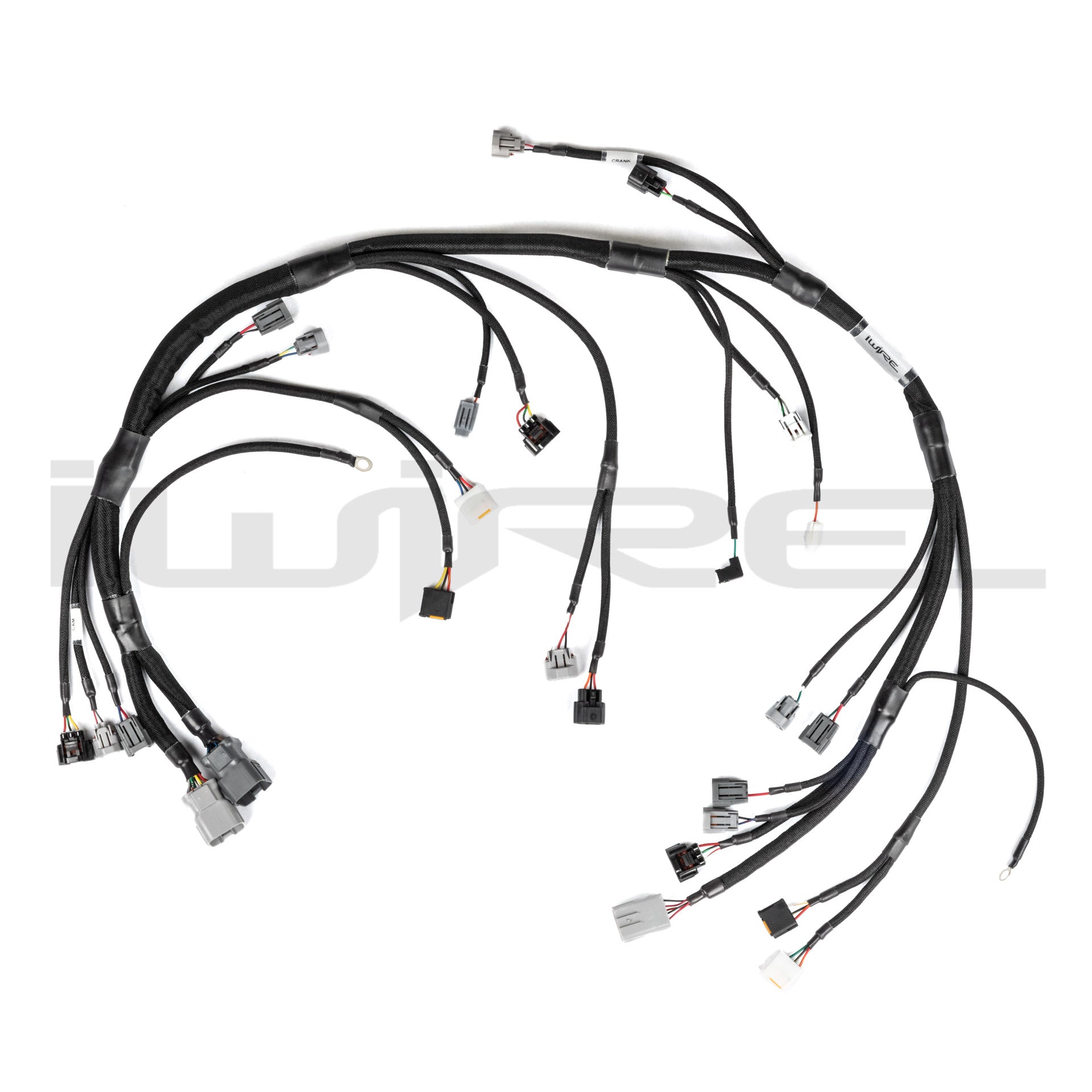
What is an Engine Harness: An engine harness is a collection of wires and connectors that relay power and information to various components in a vehicle. It ensures efficient communication and functionality of the engine’s electrical systems.
An engine harness, also known as a wiring harness, is crucial for the seamless operation of a vehicle’s engine. It integrates multiple electrical systems, ensuring they work together efficiently. The harness connects vital components like sensors, actuators, and the engine control unit (ECU).
This connection allows the ECU to receive data and control various engine functions. A well-designed engine harness enhances performance, reduces the risk of electrical failures, and simplifies maintenance. Quality materials and precise engineering are essential for durability and reliability. An efficient engine harness is pivotal for optimal engine performance and vehicle safety.

Credit: www.kinnettickreations.com
Introduction To Engine Harness
The engine harness is a crucial part of modern cars. It connects various engine components. This ensures smooth communication and functionality. Understanding its role helps in vehicle maintenance.
Importance In Modern Cars
The engine harness plays a vital role in modern vehicles. It ensures the proper functioning of the engine. Without it, the car would face many issues. The harness connects sensors, actuators, and other parts. This allows for efficient engine management.
The harness also improves safety. It reduces the risk of electrical failures. This is crucial in preventing accidents. A well-maintained harness ensures longevity and performance.
Basic Components
| Component | Description |
|---|---|
| Wires | Conduct electricity between engine parts. |
| Connectors | Join wires to sensors and actuators. |
| Fuses | Protect circuits from electrical overload. |
| Relays | Control high power circuits with low power signals. |
The engine harness is made of several key components. These include wires, connectors, fuses, and relays. Each part plays a specific role. Together, they ensure the engine runs smoothly.
Wires conduct electricity between engine parts. They are essential for communication within the engine. Connectors join these wires to sensors and actuators. They ensure a secure and reliable connection.
Fuses protect circuits from electrical overload. They prevent damage to the engine components. Relays control high power circuits with low power signals. This helps in efficient engine management.
History Of Engine Harnesses
The history of engine harnesses is a fascinating journey. It showcases the evolution of automotive technology. From simple beginnings to complex systems, engine harnesses have transformed over the decades.
Early Developments
In the early 20th century, cars were basic machines. They had minimal electrical systems. Early engine harnesses were just a few wires. These wires connected essential parts like the battery and ignition.
Automobiles of this era required manual effort. Drivers used hand cranks to start engines. The wiring was simple but functional. It ensured the basic operation of the engine.
Evolution Over Time
As cars became more advanced, engine harnesses evolved. The 1950s saw the rise of electrical systems. Radios, lights, and indicators were added. More wires and connectors were needed.
By the 1980s, engine harnesses became more complex. Electronic fuel injection and onboard computers were introduced. This period marked a significant change. Harnesses now included sensors and control units.
Today, engine harnesses are highly advanced. They integrate with numerous vehicle systems. Modern harnesses support features like GPS, infotainment systems, and advanced safety measures.
The evolution of engine harnesses reflects the advancement of automotive technology. Each stage brought new innovations and improvements.
Components Of An Engine Harness
The engine harness is a crucial component of modern vehicles. It connects various parts of the engine to ensure smooth operation. Understanding its components helps in maintaining and troubleshooting your vehicle.
Wires And Connectors
The engine harness consists of numerous wires and connectors. These wires carry electrical signals between the engine’s parts. The connectors secure these wires, preventing disconnections and ensuring steady signals.
- Wires: Made of copper or aluminum, providing excellent conductivity.
- Connectors: Made of durable plastics or metal, ensuring secure connections.
The wires are insulated to protect against heat and moisture. Each wire has a specific color code for easy identification.
Sensors And Actuators
Sensors are vital for monitoring the engine’s performance. They send data to the vehicle’s computer system. This data helps in adjusting the engine’s operations.
| Sensor Type | Function |
|---|---|
| Oxygen Sensor | Monitors exhaust gases |
| Temperature Sensor | Measures engine heat |
Actuators respond to signals from the vehicle’s computer. They help in controlling various engine functions.
- Fuel Injectors: Regulate fuel supply to the engine.
- Throttle Actuators: Control the air intake.
Both sensors and actuators are essential for optimal engine performance. They work together to ensure the engine runs efficiently.

Credit: k-tuned.3dcartstores.com
Functionality Of Engine Harness
The engine harness is a crucial component in your vehicle. It acts as the central nervous system, connecting various parts of the engine. Its primary function is to ensure seamless communication and power distribution among engine components.
Power Distribution
The engine harness plays a vital role in power distribution. It delivers electricity from the battery to different parts of the engine. This includes spark plugs, fuel injectors, and sensors.
The harness contains multiple wires and connectors. Each wire is responsible for carrying power to a specific part. This ensures that each component receives the correct amount of electricity.
Below is a table showing some key components and their power needs:
| Component | Power Requirement |
|---|---|
| Spark Plugs | 12V |
| Fuel Injectors | 12V |
| Sensors | 5V |
Signal Transmission
Another key functionality of the engine harness is signal transmission. It carries signals between the engine control unit (ECU) and various sensors.
These signals help the ECU monitor and adjust engine performance. This ensures optimal engine efficiency and performance.
Here is an unordered list of some signals transmitted:
- Temperature Signals
- Pressure Signals
- Speed Signals
Each signal helps in fine-tuning the engine’s performance. This makes the engine run smoothly and efficiently.
Common Issues With Engine Harnesses
Engine harnesses are crucial for connecting various parts of your engine. They ensure your engine runs smoothly. Over time, these harnesses can develop issues. Understanding these problems can help you maintain your car better.
Wear And Tear
Wear and tear is a common issue with engine harnesses. The harness wires can break down over time. Exposure to heat and moisture can cause this. Also, regular movement and vibration contribute to the wear.
You might notice frayed wires or worn insulation. This can lead to short circuits or complete failure. Regular inspections can help you spot these problems early. Replace damaged parts to avoid bigger issues.
Faulty Connections
Faulty connections are another common problem. Poor connections can cause erratic engine behavior. They might result in intermittent power loss.
Loose or corroded connectors are often the culprits. Regularly checking and cleaning connectors can help. Ensure all connections are tight and secure.
| Issue | Cause | Solution |
|---|---|---|
| Wear and Tear | Heat, moisture, vibration | Regular inspection, replace worn parts |
| Faulty Connections | Loose, corroded connectors | Check and clean connectors |
By addressing these issues, you can prolong the life of your engine harness. This will ensure a smoother running engine and fewer breakdowns.
Maintenance Tips
Proper maintenance of your engine harness ensures your vehicle runs smoothly. Regular upkeep can prevent costly repairs. Here are some essential maintenance tips for your engine harness.
Regular Inspections
Perform regular inspections to check the condition of the engine harness. Look for signs of wear, such as frayed wires or loose connections. Use a flashlight to see all parts clearly. Inspect the harness every few months.
- Check for cracks or damage on the insulation.
- Ensure all connections are tight and secure.
- Look for any signs of corrosion or rust.
Cleaning And Care
Keeping the engine harness clean is crucial. Dirt and grime can cause issues. Follow these steps for cleaning and care:
- Disconnect the battery before cleaning.
- Use a soft brush to remove loose dirt.
- Wipe down the harness with a damp cloth.
- Dry the harness completely before reconnecting the battery.
For tough grime, use a mild detergent. Avoid harsh chemicals that can damage the wires. Regular cleaning ensures your harness remains in good condition.
| Task | Frequency |
|---|---|
| Inspect for Damage | Every 3 Months |
| Clean the Harness | Every 6 Months |
Upgrading Your Engine Harness
Upgrading your engine harness can significantly enhance your vehicle’s performance. A high-quality engine harness ensures reliable connections and efficient power delivery. This upgrade is crucial for those seeking better engine efficiency and reliability.
Benefits Of Upgrades
There are numerous benefits to upgrading your engine harness:
- Improved Performance: A new harness can boost your engine’s output.
- Enhanced Reliability: New wiring reduces the risk of electrical failures.
- Better Fuel Efficiency: Optimized connections lead to more efficient fuel use.
- Increased Safety: Modern materials resist heat and wear better.
Choosing The Right Harness
Selecting the right engine harness is crucial for optimal performance. Here are some tips to help you choose:
- Ensure compatibility with your vehicle’s make and model.
- Look for high-quality materials that can withstand heat and wear.
- Check the connectors and wiring for durability and reliability.
- Consider harnesses with easy installation features.
Choosing a reliable brand can also make a significant difference. Look for trusted manufacturers known for quality products. This ensures you get a harness that lasts and performs well.
Diy Vs Professional Installation
Installing an engine harness can be challenging. Deciding between a DIY installation and professional help is crucial. Each option has its own set of advantages and disadvantages. Understanding these can make your decision easier.
Pros And Cons
DIY Installation:
- Pros:
- Saves money on labor costs
- Gives you hands-on experience
- Allows for flexible scheduling
- Cons:
- Requires specialized tools
- Time-consuming and complex
- Risk of improper installation
Professional Installation:
- Pros:
- Expert knowledge and experience
- Access to specialized tools
- Warranty and service guarantees
- Cons:
- Higher cost
- May require scheduling and wait time
- Less personal involvement
When To Seek Help
Consider professional help if:
- You lack the necessary tools
- You have limited mechanical experience
- The installation involves complex wiring
- You need a reliable warranty
- You want to save time and effort
Choose DIY if:
- You have the proper tools
- You enjoy working on your car
- You’re confident in your skills
- You want to save money
- You have ample time
Making the right choice depends on your skills, budget, and time. Weighing the pros and cons can guide you.
Future Of Engine Harnesses
The future of engine harnesses looks promising with rapid advancements in technology. These harnesses are essential for vehicle engines, connecting various components for optimal performance. As technology evolves, so do engine harnesses, making them more efficient and reliable.
Technological Advancements
Technological advancements play a significant role in the evolution of engine harnesses. The integration of smart sensors and AI-driven diagnostics enhances their functionality. These features allow real-time monitoring and predictive maintenance.
- Smart sensors help detect issues early.
- AI-driven diagnostics predict potential failures.
- Enhanced materials increase durability and efficiency.
New materials like high-performance polymers and fiber optics improve the robustness of engine harnesses. These materials make harnesses more resistant to extreme temperatures and vibrations.
Impact Of Electric Vehicles
Electric vehicles (EVs) significantly impact the design of engine harnesses. EVs require advanced harnesses to manage their complex electrical systems. This shift drives innovation in harness technology.
| Aspect | Traditional Vehicles | Electric Vehicles |
|---|---|---|
| Power Source | Combustion Engine | Electric Motor |
| Complexity | Moderate | High |
| Harness Requirements | Basic Connectivity | Advanced Connectivity |
The growing popularity of EVs demands harnesses with higher efficiency and better energy management. This leads to the development of specialized harnesses tailored for electric propulsion systems.
The future of engine harnesses is bright, with continuous innovations driving their evolution. As technology advances and EV adoption increases, harnesses will become even more critical to vehicle performance and reliability.
Credit: iwireusa.com
Frequently Asked Questions About What is an Engine Harness
What Is An Engine Harness?
An engine harness is a bundle of wires. It connects various electrical components in an engine. It ensures proper electrical flow for optimal performance.
Why Is An Engine Harness Important?
An engine harness is crucial for vehicle functionality. It provides electrical power and communication. This ensures the engine and related systems work efficiently.
How Does An Engine Harness Work?
An engine harness transmits electrical signals. It connects sensors, actuators, and other engine components. This helps in monitoring and controlling engine functions.
What Are Common Signs Of A Bad Engine Harness?
Common signs include engine misfires, electrical issues, and warning lights. If you notice these, check the harness for damage.
Conclusion
Understanding an engine harness is crucial for maintaining your vehicle’s performance. It ensures smooth communication between various engine components. Regular checks can prevent potential issues and prolong your engine’s life. Investing time in learning about your engine harness can save you money on repairs.
Keep your engine running efficiently with proper maintenance.